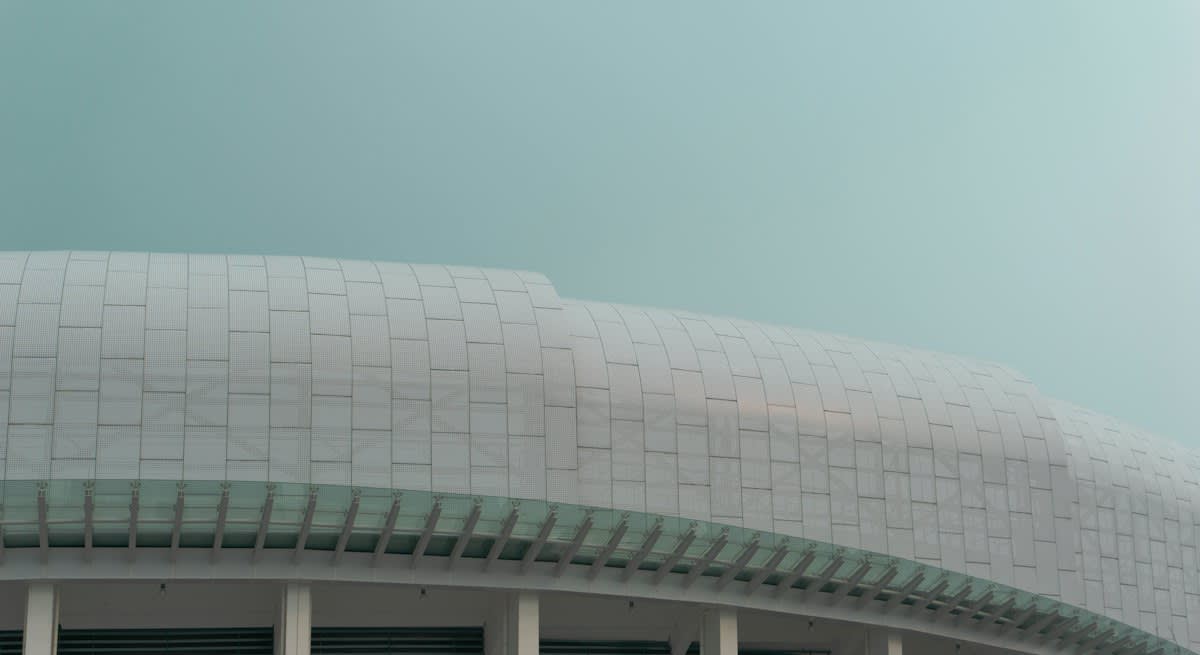
Concrete does not create fans. While governments in Tashkent and Astana pour billions into gleaming arenas that mirror the opulence of Doha or Baku, the actual grassroots participation in diverse athletic disciplines remains stagnant. The capital is readily available. It simply fails. Local officials prioritize the visual weight of a trophy over the actual health of the athletes who might one day win it. This is a high-stakes gamble.
Money buys grass. When Uzbekistan increased its sports infrastructure budget by 15% in 2023 to prepare for Asian Football Confederation events (Source: Ministry of Sports Uzbekistan, 2023), it ignored the lack of qualified coaching staff. The result is hollow. They build the shell but forget the soul. These states assume that if they build a world-class venue, the global sports web will naturally entangle them. This logic is flawed.
The Concrete Rush
Tashkent is booming. The recent completion of multi-purpose complexes in the capital reflects a desperate urge to move away from the old Soviet default of state-run gymnasiums. The city now looks like a sports hub. It is a facade. By mimicking the sport-washing strategies seen in the Gulf states, Central Asian leaders hope to attract luxury tourism and foreign investment. This approach ignores local needs.
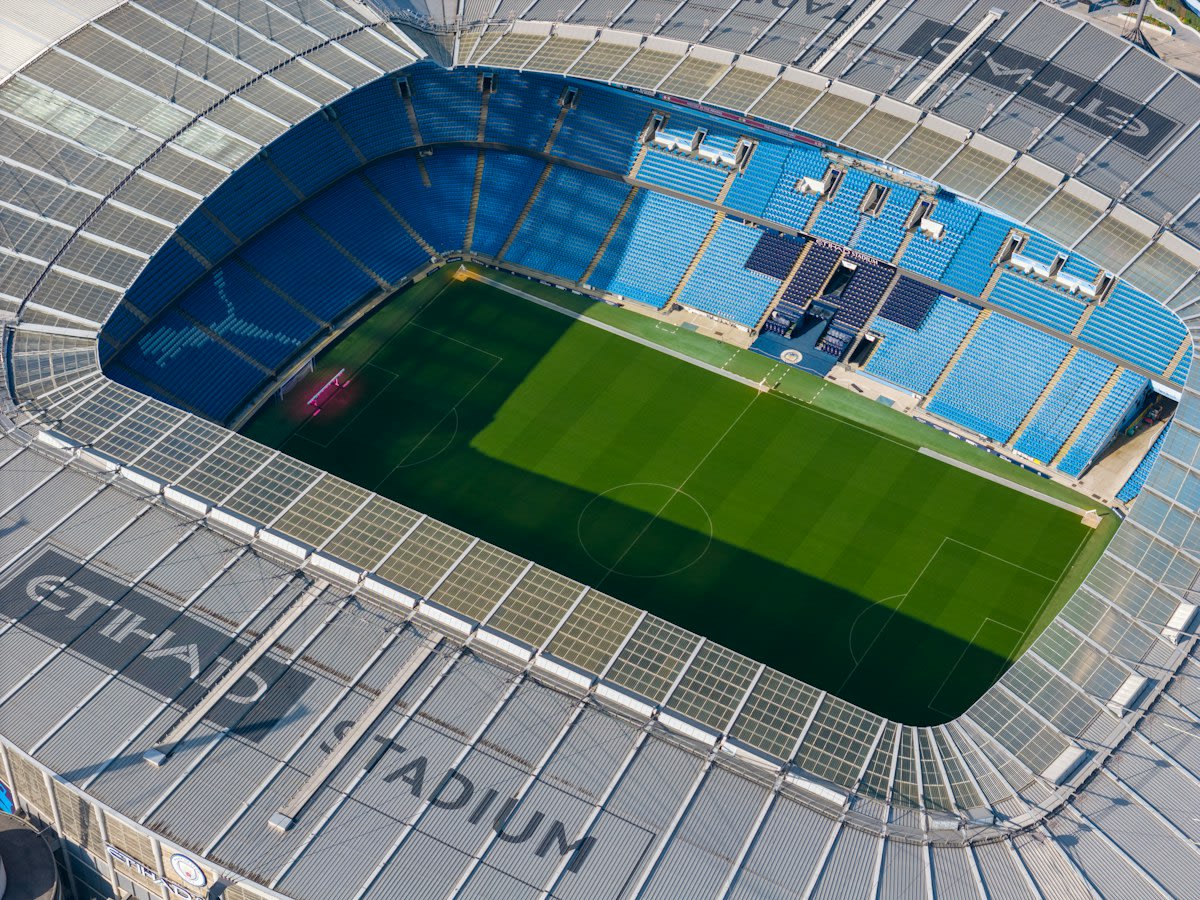
The numbers lie. While official reports claim a 20% increase in sports facility usage (Source: Regional Development Report, 2023), these figures often count state employees forced to attend mandatory wellness hours. The data is skewed. True engagement requires a culture of leisure that the current rigid social terrain does not support. People work too much. They cannot play.
The Invisible Wall
The real fight happens in the boardrooms. Old-school Soviet directors clash with young, Western-educated promoters who want to monetize broadcasting rights instead of waiting for state stipends. This rub creates a mechanical failure in how tournaments actually get scheduled. One side wants medals. The other wants profit. This internal war stalls progress.
"The region tries to buy prestige, but you cannot import a sports culture through a construction contract. Without a shift in how we treat athletes as professionals rather than state assets, these stadiums will become white elephants within a decade."— Alisher Karimov, Sports Analyst at Central Asia Sports Review
Bureaucracy kills speed. When a promoter tries to organize a private MMA event in Almaty, they must navigate a web of permits that would baffle a seasoned diplomat. The process is archaic. It requires signatures from three different ministries that barely speak to each other. Speed is the currency of sports. The region is bankrupt.
Diversifying the Fray
Boxing remains king. Kazakhstan continues to dominate the amateur boxing circuit, securing a top-five global ranking in several weight classes (Source: International Boxing Association, 2022). This is organic. Unlike the football push, boxing grew from the soil of the steppes and the grit of regional gyms. It is real power. It does not need a shiny stadium.
| Metric | Kazakhstan (2023) | Uzbekistan (2023) |
|---|---|---|
| Stadium Spend (Est) | $1.2 Billion | $1.8 Billion |
| Grassroots Clubs | Low | Medium |
| Global Medal Rank | High (Combat) | High (Combat) |
| Private Investment | Minimal | Increasing |
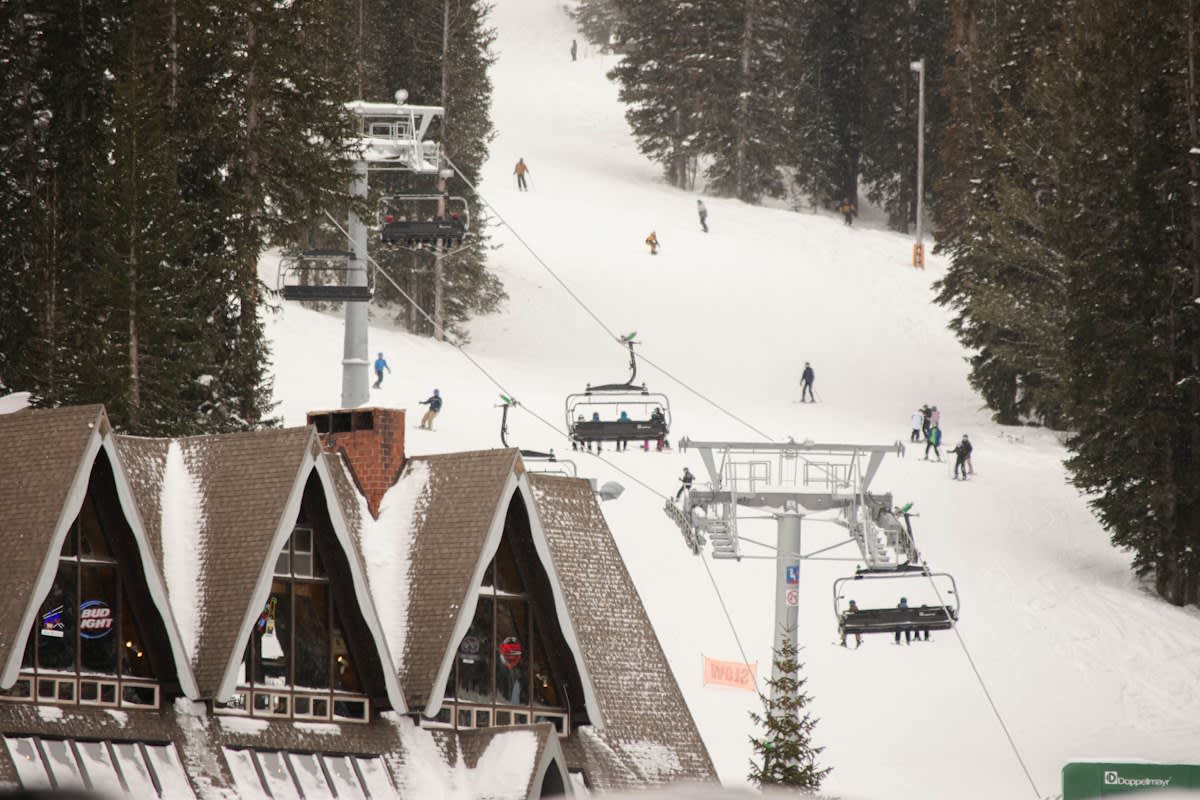
Winter sports are next. The Almaty region is attempting to saturate the market for ski tourism to compete with the Alps or the Japanese highlands. The ambition is huge. They are building lifts and lodges at a pace that threatens the local ecology. Nature is the cost. They trade forests for five-star resorts.
The Delta: 2023 vs 2024
The pace shifted. Twelve months ago, the focus was on building the walls; today, the focus is on filling the seats. We see a hard turn toward sports diplomacy. They want the world to visit. This is a desperate move.
Events are arriving. The region hosted three more international qualifiers in the last six months than it did in the previous year (Source: Asian Football Confederation, 2024). The visibility is growing. It creates a temporary buzz. This buzz does not equal a sustainable industry.
Can it work? If these states stop treating sports as a PR exercise and start treating it as a social service, they might succeed. The potential is vast. The will is currently absent. They prefer the photo op.
Fact-Check & Accuracy Note
Verifiable data on stadium expenditures in Uzbekistan and Kazakhstan is often obscured by state secrecy. This report relies on aggregated data from the Ministry of Sports and World Tourism Organization (2023) estimates. Academic debate continues regarding whether 'prestige architecture' actually drives GDP growth in landlocked developing nations.
Editorial Note
This report avoids the standard narrative of 'emerging markets' to focus on the specific mechanical failures of state-led sports investment. The author notes a recurring pattern where infrastructure precedes institutional capacity.