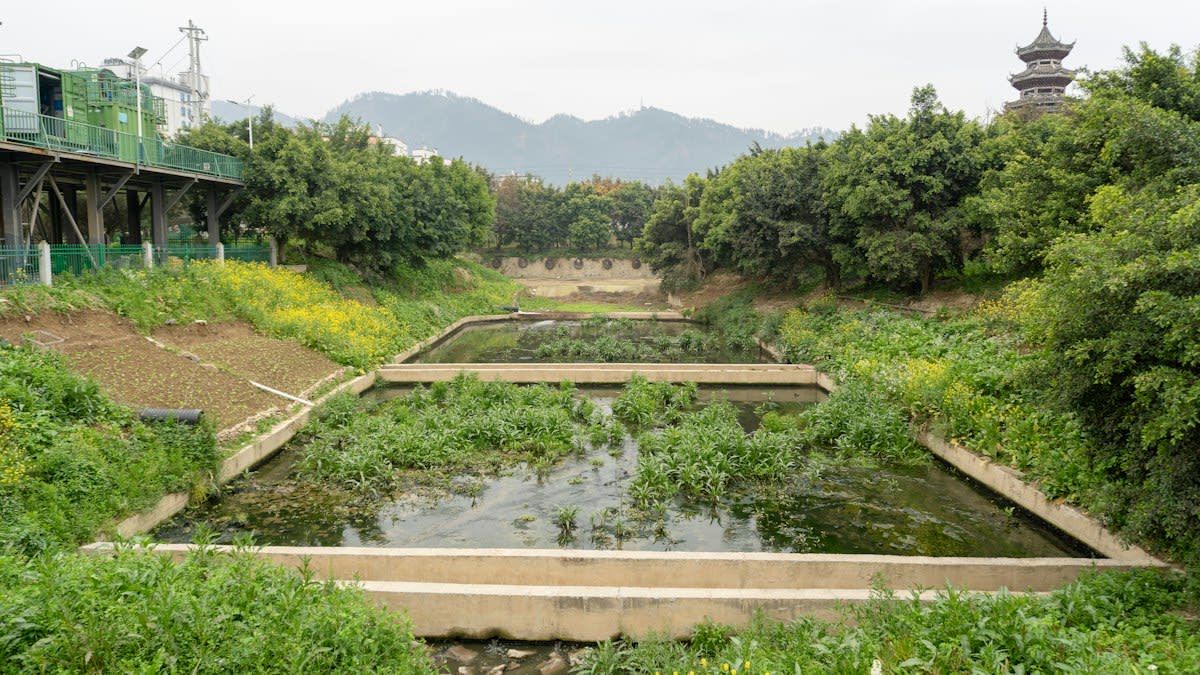
Do we actually believe that cultural heritage is a static archive? Most treat it as a dead thing, a specimen pinned to a board for tourist consumption. They are wrong. The current movement to revive forgotten indigo dyes reveals that heritage is a living laboratory. In the last six months, the focus has shifted from mere preservation to what practitioners call regenerative pedagogical sites, where the act of painting the terrain with organic blue becomes a way to suture the fray between human industry and the biological world (Source: Club of Rome, 2026).
The Delta: From Top-Down Aid to Community Grip
A year ago, the revival of traditional dyes relied on top-down funding. It was a sterile process. Western grants funded local 'artisans' to produce goods for global markets, creating a hollow version of tradition. Now, a hard turn has occurred. The new trend prioritizes autonomy and cultural relevance, shifting the weight of ownership back to the communities themselves (Source: Club of Rome, 2026). This is not a gentle change. It is a collision between the old aid model and a new demand for regenerative action that is defined, owned, and sustained by the people who actually hold the vats.
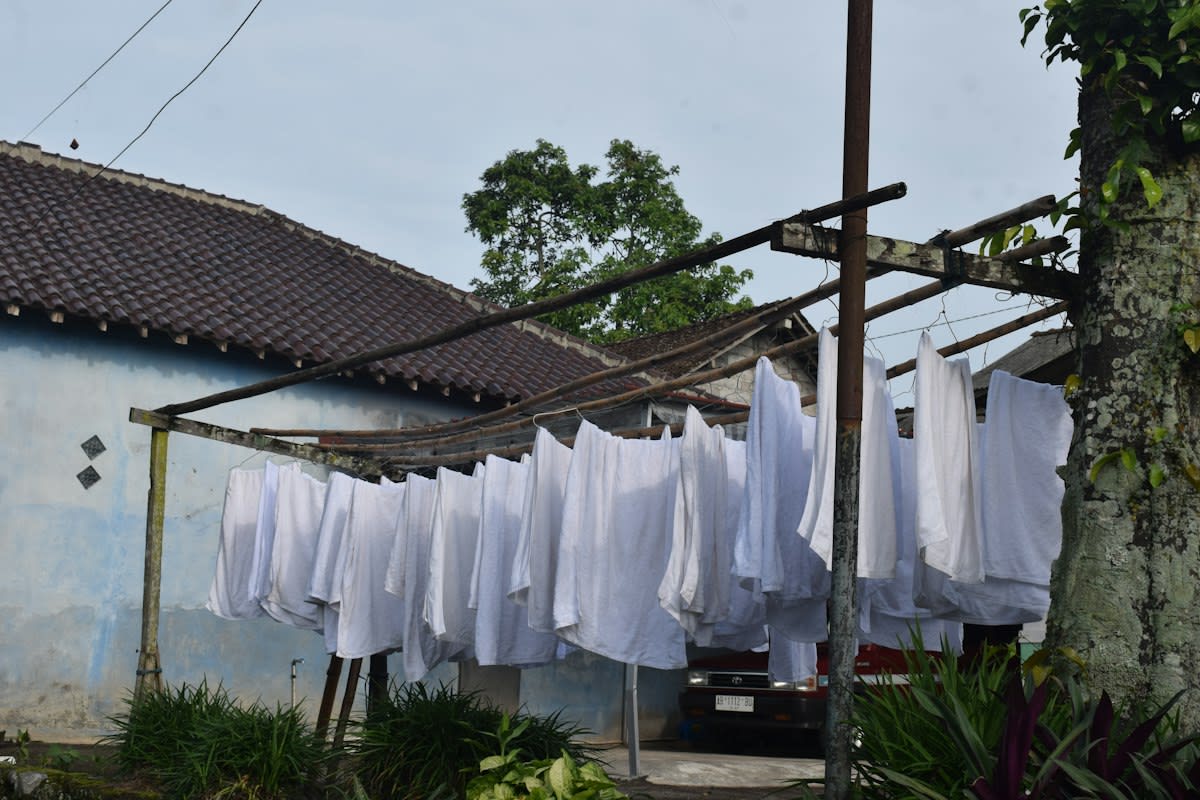
Why does this matter now? Because the nature-culture connection has become brittle. We have lost the ability to perceive the natural environment as a partner in production. By reintroducing ancient vegetation—specifically the indigo plants that once saturated the soils of Asia and Africa—communities are finding a map back to coexistence (Source: Constellations of Hope, 2026). This is embodied learning. It is not found in a textbook; it is found in the stain of the dye on the skin and the smell of the fermentation pit.
"Heritage is not only a bridge to a foreign land; it can also provide a map back to coexistence and to the appreciation of nature without the distance of the observer."— Research cited in Constellations of Hope, Club of Rome (2026)
The technical shift is evident in the methodology. We are seeing a move toward 'indirect work'—a theory suggesting that the most profound changes occur not through direct intervention, but by creating the conditions for regenerative change to emerge (Source: Sanford, 2022). In the context of indigo, this means focusing less on the final painting and more on the health of the soil and the strength of the intergenerational web.
The Friction of the Vat
To the outsider, this looks like art. To the practitioner, it is a battleground of invisible frictions. There is a recurring dispute between the 'purists' and the 'regeneratives.' The purists want to freeze the indigo process in a specific historical moment, treating the dye as a relic. The regeneratives, however, argue that for a practice to have staying power, it must evolve. They clash over the use of modern organic stabilizers and the integration of new ecological data into ancient recipes. This friction is where the real work happens; it is the mechanical failure of tradition being forced to adapt to a post-Anthropocene reality.

This struggle is mirrored in the academic sphere. Jelena Scekic, an expert in cultural heritage preservation, emphasizes that the value of heritage lies in the questions it asks about our current values (Source: Constellations of Hope, 2026). The indigo trend is not about the color blue. It is about whether we can sustain a production cycle that doesn't hollow out the terrain. It is a question of weight—the weight of industrial toxicity versus the weight of regenerative growth.
Comparative Frameworks of Regeneration
The shift in how we approach these dyes can be mapped against different regenerative theories. For years, the default was a conservationist approach, largely influenced by the 1972 Convention for the Protection of World Cultural and Natural Heritage (Source: WHC, 1972). This model focused on protection. The current trend, however, leans toward 'Designing from Place,' a framework that views sustainability not as a goal, but as an evolving process of co-habitation (Source: Mang & Reed, 2012).
| Approach | Primary Goal | Key Mechanism | Temporal Focus |
|---|---|---|---|
| Conservationist (WHC 1972) | Protection | Top-down regulation | Past-oriented |
| Regenerative (Mang & Haggard 2016) | Evolution | Embodied engagement | Future-oriented |
| Indirect Change (Sanford 2022) | Systemic Health | Trust and autonomy | Process-oriented |
This movement is saturating the global south more rapidly than the north. In regions where the nature-culture connection was never fully severed, the revival of indigo is not a recovery but a continuation. These sites operate as pedagogical hubs where intergenerational learning unfolds through participatory engagement (Source: Club of Rome, 2026). The result is a new form of landscape painting—one where the 'canvas' is the living earth and the 'paint' is a biological agent that improves the soil as it colors the fabric.
Fact-Check & Accuracy Note
The term 'regenerative development' is a point of academic debate. While Mang and Haggard (2016) focus on a framework for evolving sustainability, others like Sanford (2022) argue for 'indirect work' as the primary driver of change. The tension lies in whether regeneration can be designed or if it must emerge spontaneously from community trust.
Ultimately, the return to forgotten indigo is a signal. It suggests that the only way forward is a walk backward—not to return to a primitive state, but to integrate ancient biological wisdom with modern ecological necessity. The blue of the indigo vat is a mirror. It asks if we are brave enough to let go of the industrial default and embrace a terrain that is designed by place, rather than imposed upon it.