Miliband says slavery apology will not bring cost for UK taxpayers
Source Entity
BBC News
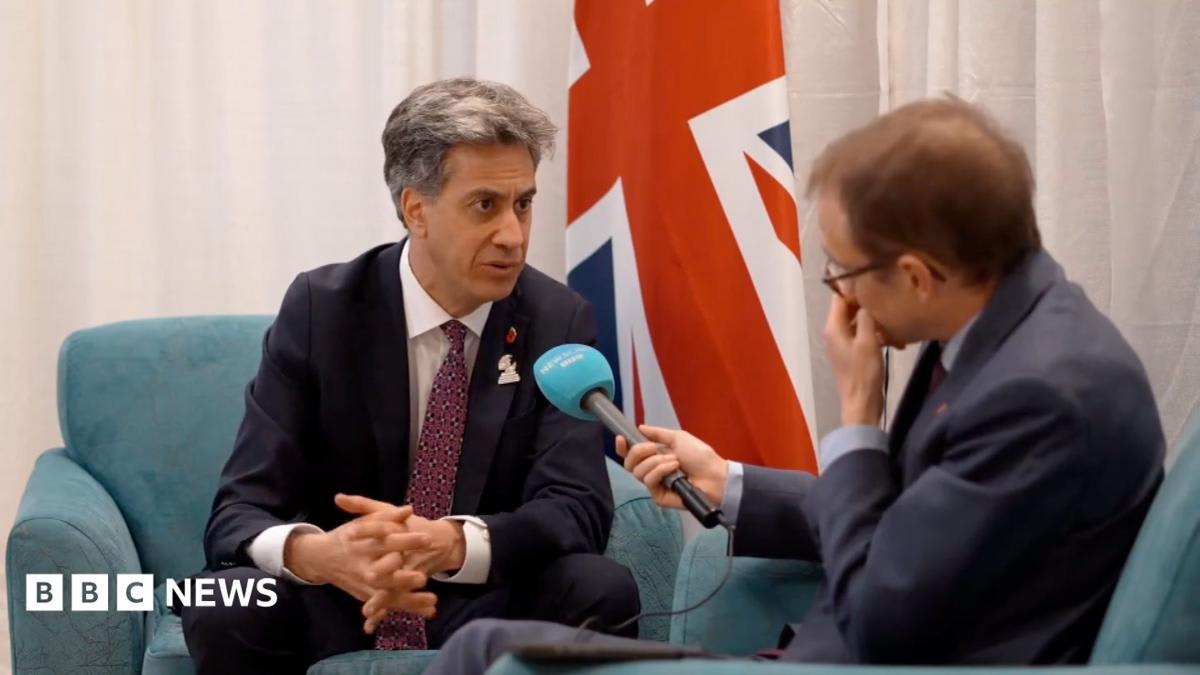
Foreign Secretary Ed Miliband has confirmed that any formal UK apology for the transatlantic slave trade will not impose financial costs on taxpayers. While the government remains open to a formal apology, it has ruled out paying financial reparations to affected nations.
The Evolving UK Stance on Historical Slavery
Foreign Secretary Ed Miliband has recently signaled a significant shift in the British government's approach to the nation’s historical role in the transatlantic slave trade. By emphasizing that the UK can no longer afford to "sweep its past under the carpet," Miliband is advocating for a more transparent engagement with history. This development marks a departure from the long-standing diplomatic caution that has characterized the British stance on the issue for decades.
Distinguishing Apology from Reparations
A critical component of this discourse is the explicit separation of a formal apology from financial reparations. Prime Minister Keir Starmer’s administration has been clear that while a moral reckoning is on the table, the government does not intend to pay reparations to affected countries. Miliband’s recent comments serve to reassure the British public that any potential apology will not result in new financial burdens or tax hikes, framing the gesture as a diplomatic and moral recalibration rather than an economic liability.
A Critique of Past Precedents
During his appearance on the BBC’s Newscast, Miliband scrutinized the legacy of previous administrations, specifically targeting the 2007 remarks made by then-Prime Minister Sir Tony Blair. Miliband characterized Blair’s statement—which expressed "deep sorrow and regret"—as a "sorry not sorry" approach that failed to adequately address the profound pain and systemic consequences of the slave trade. By highlighting this historical inadequacy, Miliband suggests that the current government is seeking a more authentic and substantial acknowledgment of the past.
Broader Geopolitical Implications
The move toward a formal apology reflects a growing international pressure on former colonial powers to reconcile with their histories. As Commonwealth nations continue to press for recognition of the lasting impacts of slavery, the UK finds itself in a delicate position. The government must balance the need for improved international relations and moral integrity with the domestic necessity of avoiding fiscal commitments that could alienate voters or strain the national budget.
Future Trends in Historical Diplomacy
Moving forward, the UK’s strategy appears to be one of "diplomatic recognition without fiscal obligation." This approach suggests that the government hopes to resolve long-standing grievances through symbolic gestures, such as formal apologies or cultural recognition, rather than through direct wealth redistribution. Whether this strategy will satisfy the demands of affected nations remains to be seen, but it represents a clear effort to modernize Britain's foreign policy narrative in the 21st century.
Conclusion
Ultimately, Ed Miliband’s comments underscore a government attempting to navigate the complexities of historical accountability. By distancing a potential apology from the financial implications of reparations, the administration is attempting to address the moral weight of the past while maintaining a firm boundary on fiscal policy. This nuanced approach will likely remain a central theme in the UK's diplomatic relations with its Commonwealth partners in the coming years.