The End of the Checklist Era
For decades, the travel industry operated on a simple, additive logic: more visitors equaled more success. We called it the bucket list, a frantic race to check off the Eiffel Tower, the canals of Venice, and the shrines of Kyoto before time ran out. But this logic has hit a wall. The very allure that draws millions to these hubs is being eroded by the sheer volume of people arriving to witness it. We are seeing a fundamental break in the relationship between the global traveler and the host city.
Why is this happening now? The post-pandemic surge of revenge travel acted as a catalyst, pushing already strained infrastructures to a breaking point. Travelers didn't just return; they returned with a desperation to recover lost time, flooding the same ten or fifteen global hotspots simultaneously. This created a pressure cooker effect where local residents found themselves priced out of their own neighborhoods and pushed out of their own squares. The result is a global movement of urban resistance.
The Core Conflict
The Bucket List Paradox: When a destination becomes a 'must-see' for everyone, it often ceases to be a place worth seeing for anyone.
This isn't just about crowded sidewalks or long lines at museums. It is a systemic failure of urban planning that prioritized tourism revenue over civic viability. Cities are now realizing that an economy dependent entirely on transient visitors is fragile and destructive. The shift we are witnessing is not a temporary dip in popularity, but a strategic pivot toward regenerative travel. The goal is no longer growth, but equilibrium.
To understand this shift, one only needs to look at the aggressive new policies emerging in Europe's most iconic waterways.
The Price of Admission: Venice's Bold Experiment
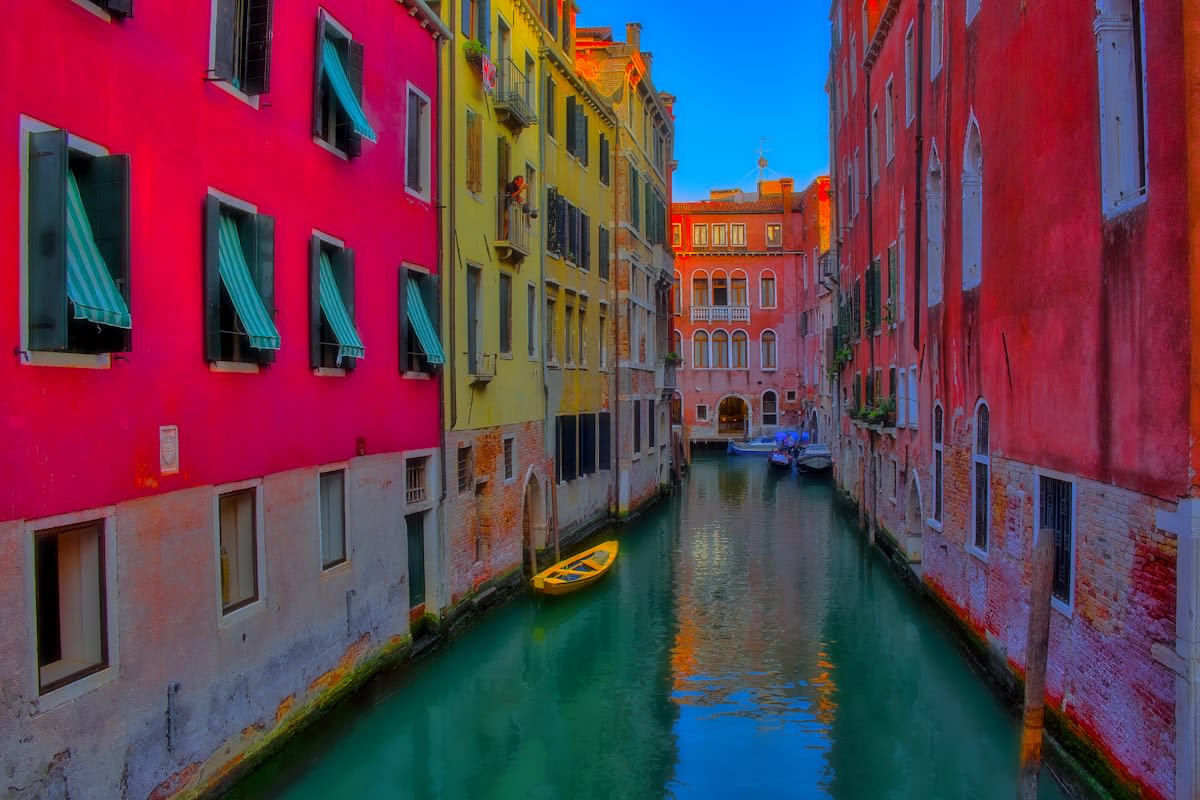
In April 2024, Venice took a step that felt like science fiction to many: it began charging a 5 Euro entry fee for day-trippers on peak days. This wasn't a move to generate massive revenue, but a psychological and logistical filter. By requiring a QR code for entry, the city is finally gathering hard data on who visits, when they arrive, and how they move. It is a desperate attempt to transform a chaotic flood of people into a manageable stream of guests.
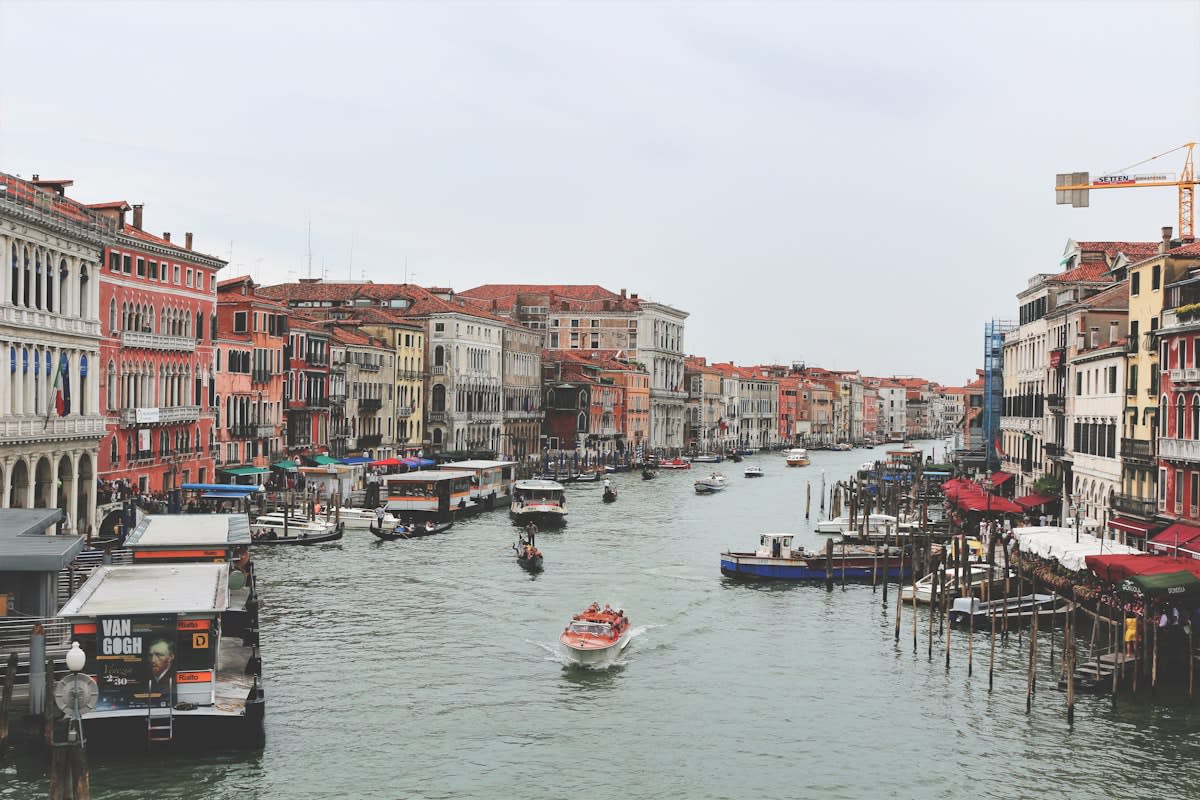
Does a 5 Euro fee actually stop a determined tourist? Likely not. However, the friction it introduces serves a purpose. It signals that the city is no longer a free-access theme park, but a living community with limits. This move reflects a broader trend where cities are moving away from the 'open doors' policy of the 2010s toward a 'managed access' model. The priority has shifted from maximizing footfall to preserving the physical integrity of the city.
"We are moving from an era of tourism as a right to tourism as a privilege that requires respect and regulation."— Urban Planning Expert
While Venice manages the gates, other cities are attacking the root cause of urban displacement: the housing market.
Reclaiming the Urban Soul: The War on Short-Term Rentals
Barcelona has become the epicenter of the fight against the Airbnb-ification of the city. The local government has announced a radical plan to eliminate all short-term rental licenses by 2028. This is a direct strike at the business model that turned residential apartments into ghost hotels, driving up rents and hollowing out the social fabric of neighborhoods like the Gothic Quarter. The city is choosing its citizens over its visitors.
This strategy is a response to a critical tipping point. When a city's center becomes a monoculture of souvenir shops and vacation rentals, the very authenticity that attracted tourists in the first place vanishes. Barcelona is betting that by forcing residents back into the city center, they will restore a genuine urban life that is more sustainable in the long run. It is a gamble on quality over quantity.
| City | Primary Trigger | Strategic Response | Target Outcome |
|---|---|---|---|
| Venice | Day-tripper saturation | 5 Euro entry fee | Data collection & flow control |
| Barcelona | Housing crisis | Ban on short-term rentals by 2028 | Residential repatriation |
| Amsterdam | Nuisance tourism | Stay Away campaign/Center restrictions | Behavioral modification |
| Kyoto | Privacy violations | Gion alley closures | Cultural preservation |
Amsterdam has taken a different, more psychological approach. Their 'Stay Away' campaign explicitly targets disruptive tourists, telling them that the city is not a party destination. By restricting the sale of alcohol in certain areas and banning smoking in the Red Light District, the city is attempting to curate the type of visitor it attracts. They are no longer interested in the high-volume, low-value tourist who leaves behind trash and noise.
The friction isn't limited to Europe; in Asia, the clash is between modern digital visibility and ancient tradition.
The Eastern Friction: Kyoto's Quiet Rebellion
In Kyoto, the tension has manifested in the Gion district, where the hunt for the perfect Instagram photo of a Geiko or Maiko has led to harassment and trespassing. In response, local authorities have begun closing private alleys to tourists, imposing fines on those who ignore the signs. The conflict here is stark: the digital desire for 'content' versus the human right to privacy and dignity.
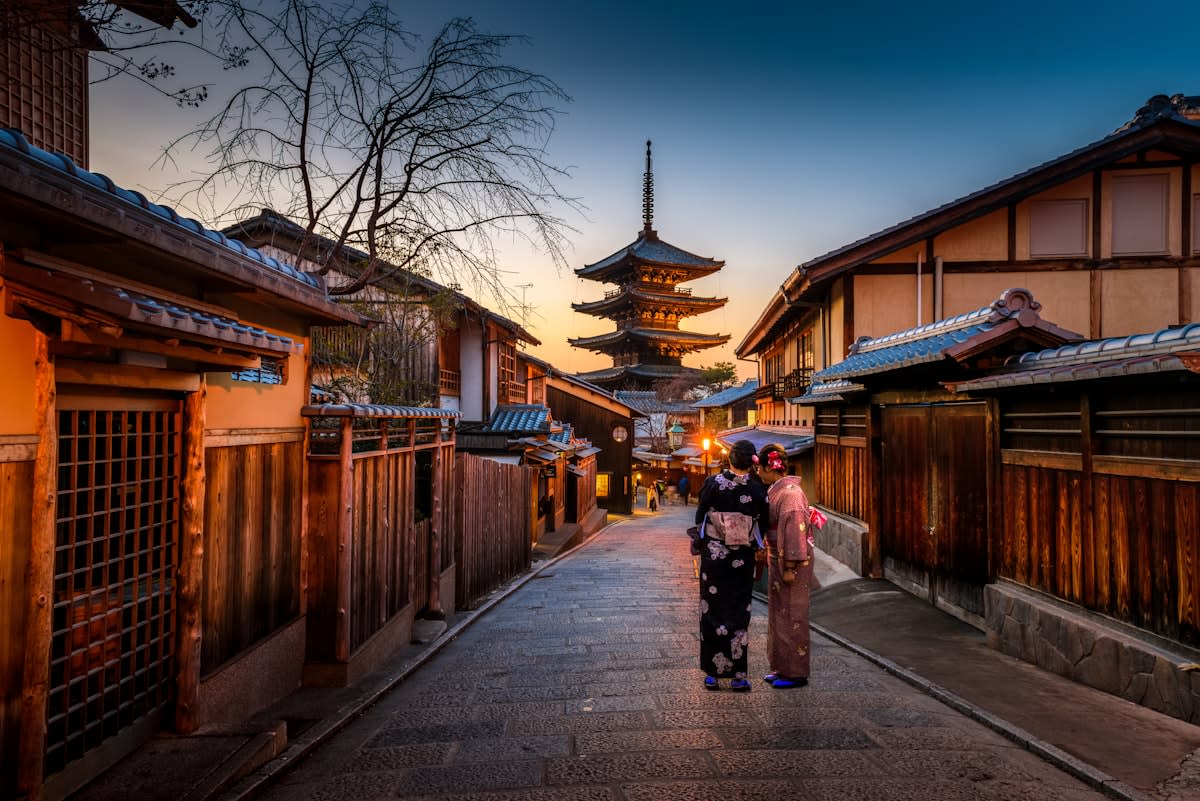
This illustrates the 'Instagram Effect,' where a single viral image can turn a quiet residential street into a global attraction overnight. The residents of Kyoto are not anti-tourist, but they are anti-spectacle. They are fighting to ensure that their culture remains a lived experience rather than a backdrop for a social media feed. It is a battle for the soul of the city against the algorithm of the traveler.
When we compare the current landscape to just a year ago, the delta is staggering.
The Delta: 2023 vs. 2024
Twelve months ago, the narrative was still dominated by 'Revenge Travel.' The focus was on recovery—how quickly could hotels fill their rooms and how fast could airports return to 2019 levels? Cities were in a competitive race to lure back the crowds. The prevailing mindset was that the world was finally open again, and the goal was to maximize the influx of foreign capital.
Fast forward to today, and the narrative has inverted. The conversation has shifted from 'How do we get them back?' to 'How do we manage the ones who are already here?' We have moved from a growth phase to a regulation phase. The delta is a shift in priority from economic volume to urban livability. The realization has set in that uncontrolled growth is a liability, not an asset.
Shift in Urban Tourism Strategy (2023-2024)
Executive Insight
+18.4%
YTD Growth
This shift is evidenced by the rise of 'Second City' tourism. Travelers are beginning to realize that the primary hubs are exhausted. Instead of fighting the crowds in Paris, they are heading to Lyon. Instead of the chaos of Tokyo, they are exploring Fukuoka or Osaka. This redistribution of traffic is the only sustainable path forward for the global travel ecosystem.
This evolution presents a massive opportunity for the conscious traveler to redefine their relationship with the world.
The Opportunity of the Undiscovered
The death of the bucket list is not the death of travel; it is the birth of exploration. When we stop treating cities as checklists, we start treating them as communities. The opportunity now lies in slow travel—staying longer in one place, engaging with local businesses that aren't designed for tourists, and accepting that some places are simply too fragile to be open to everyone all the time.
- Swap the 'Top 10' list for a 'Deep Dive' into a single neighborhood.
- Prioritize 'Second Cities' to distribute economic benefits more equitably.
- Travel during shoulder seasons to reduce pressure on local infrastructure.
- Seek out regenerative experiences that leave the destination better than you found it.
Ultimately, the cities that are 'begging' us to stop visiting are actually asking us to visit differently. They are calling for a new social contract between the guest and the host. By embracing limits, we can ensure that these cultural treasures survive for another century, rather than being consumed by the very people who admire them. The future of travel is not about where we go, but how we behave when we get there.