Trump Asks Elon Musk To Lift Ukraine Starlink Restrictions: Reports
Source Entity
NDTV News Search Records Found 1000
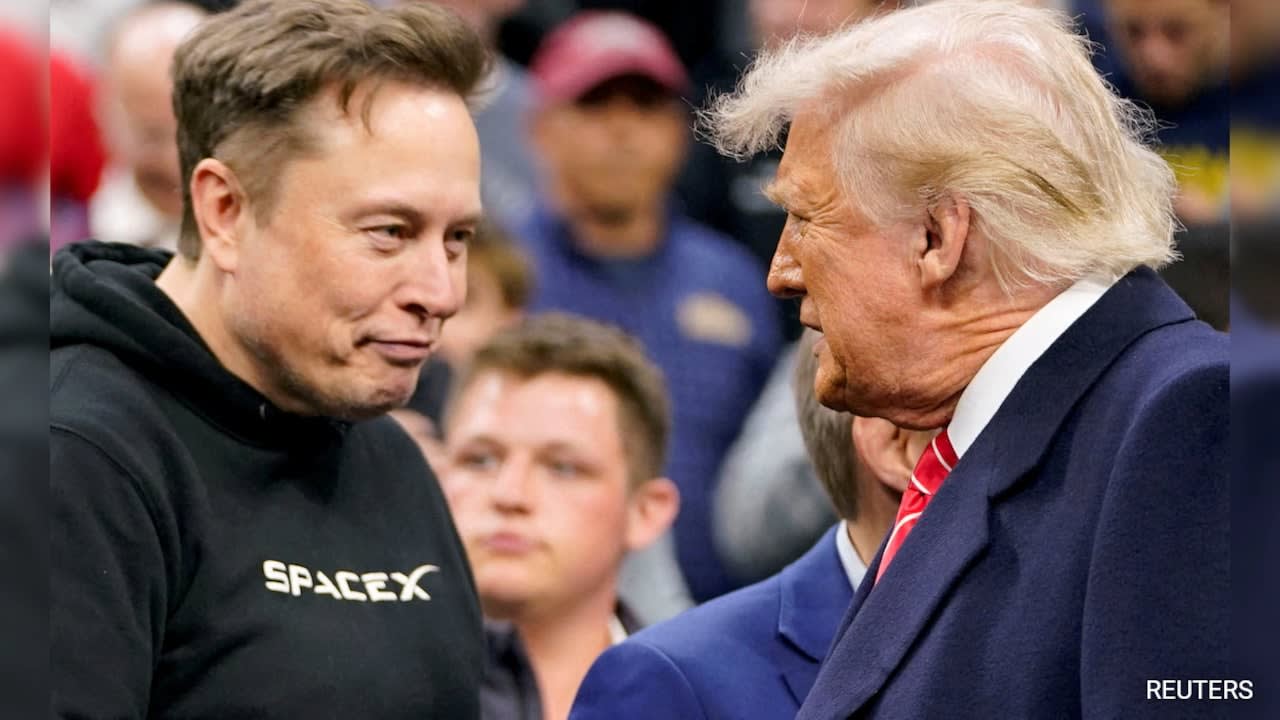
President Donald Trump reportedly urged Elon Musk to lift restrictions on Ukraine's military-grade Starlink access. Following the intervention, connectivity was restored, highlighting the significant influence private tech leaders hold over modern geopolitical conflicts.
The Intersection of Private Technology and Geopolitics
The recent reports concerning Donald Trump and Elon Musk highlight a burgeoning and complex intersection between private corporate control and international military strategy. As Ukraine continues to rely heavily on the Starshield system—a military-grade iteration of SpaceX’s Starlink satellite network—the decision-making processes of Elon Musk have become a focal point of global concern. The reported intervention by President Trump to request the lifting of service restrictions underscores the immense leverage that a single private actor, in this case, the CEO of SpaceX, now exerts over the operational capabilities of a sovereign nation in active conflict.
The Mechanics of the Starlink 'Slowdown'
Reports indicate that SpaceX had imposed restrictions on the Starlink system, which hampered the Ukrainian military’s ability to utilize drones for both offensive maneuvers and defensive protection against Russian forces. While Elon Musk has previously denied responsibility for these operational bottlenecks, the sudden restoration of service following communication with President Trump suggests that the architecture of modern warfare is increasingly subject to the policies of private enterprises. This reliance on a commercial system for critical military intelligence and communication is unprecedented in the history of state-on-state conflict.
Political Dynamics and Personal Influence
The relationship between President Trump and Elon Musk has become a critical variable in the management of the conflict in Ukraine. While the Trump administration has historically denied issuing direct instructions to SpaceX regarding its service policies, the sequence of events—a phone call followed by the immediate normalization of connectivity—points to a high degree of informal coordination. This dynamic raises significant questions about the transparency of decision-making in the Ukrainian theater, particularly given Musk’s well-documented public criticisms of Ukrainian President Volodymyr Zelenskyy.
The Fragility of Private-Sector Defense Support
Ukraine's dependence on Starlink/Starshield reveals a structural vulnerability in contemporary military logistics. Unlike traditional defense contracts, which are governed by established international law and rigid government oversight, the Starlink network operates under the discretion of a private corporation. The potential for sudden service throttling creates a precarious environment for Ukrainian commanders, who must now account for the whims and political stances of a private technology owner in addition to the tactical realities of the battlefield.
Future Trends in Satellite Communications
Looking ahead, this event is likely to accelerate efforts by nations to develop sovereign, state-owned low-earth orbit (LEO) satellite constellations. The realization that a critical war-fighting tool can be restricted by a private individual serves as a catalyst for governments to seek independence from commercial providers. As technology continues to evolve, the 'Musk factor' in the Ukraine-Russia war will likely be studied as a primary case study in the risks of outsourcing national security infrastructure to private entities.
Conclusion
In summary, the restoration of Starlink connectivity in Ukraine, facilitated by a reported intervention from President Trump, serves as a stark reminder of the shifting power dynamics in the 21st century. While the immediate operational needs of the Ukrainian military were addressed, the episode underscores the volatile nature of relying on private innovation for state survival. As the conflict progresses, the balance between corporate autonomy and national security mandates will remain a contentious and pivotal theme in global geopolitics.
Verification Required?