
The End of the Arrival Obsession
Arrival numbers no longer signal success. For decades, tourism boards chased the high of double-digit growth. More planes. More cruises. More bodies. This metric failed. Cities choked. Infrastructure collapsed. Now, the narrative flips. Degrowth tourism targets a deliberate contraction. It prioritizes yield over volume. The goal is simple. Extract more money from fewer people (Source: World Tourism Organization, 2023).
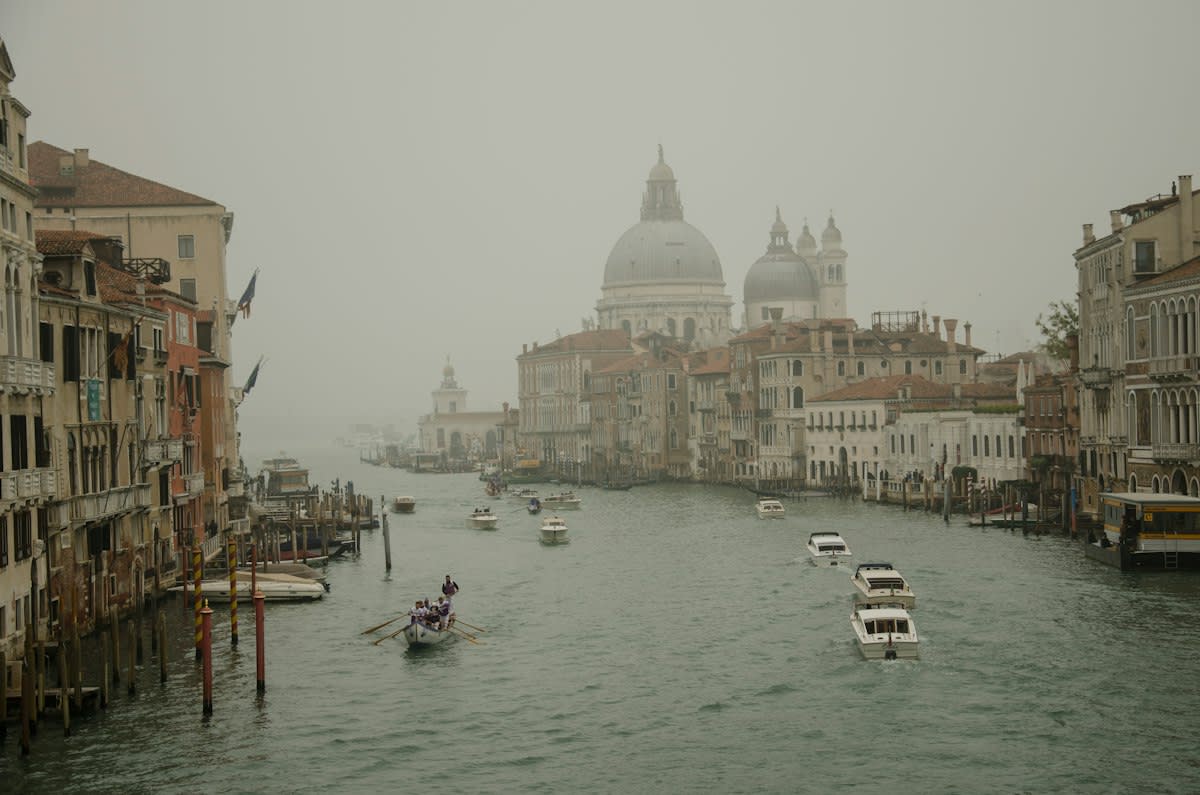
The delta between 2023 and 2024 is stark. Last year, the industry celebrated revenge travel. Recovery was the only KPI. This month, the focus shifted to managed decline. Venice implemented its entry fee. Bhutan hiked its Sustainable Development Fee to 100 USD per night (Source: Bhutan Department of Tourism, 2023). The shift moves from welcoming everyone to filtering the elite. It is a hard pivot from hospitality to gatekeeping.
"We are witnessing the death of the 'bucket list' era. Destinations are no longer products to be consumed by the masses; they are becoming exclusive clubs with high membership fees. The economic model is shifting from volume-based revenue to scarcity-based premiums."— Dr. Aris Papadopoulos, Urban Sustainability Lead at the Global Tourism Institute
Second-Order Consequences: The Leakage Effect
Hard caps in primary hubs create tourist leakage. When Venice or Kyoto restrict access, the crowd does not vanish. It migrates. Second-tier cities face the brunt. Small ports in Chittagong now see unplanned spikes in cruise ship diversions. Local infrastructure in these zones lacks the resilience of global hubs. The result is unplanned overtourism in fragile ecosystems (Source: Maritime Logistics Review, 2024).
This migration triggers a secondary economic shock. Small-scale vendors in non-hub districts cannot scale quickly. Prices spike. Local residents get pushed out of their own markets. The degrowth strategy in the center creates a growth crisis in the periphery. It is a shell game. The problem moves but does not disappear.
| Metric | Mass Tourism Model (2010-2020) | Degrowth Model (2024+) |
|---|---|---|
| Primary KPI | Total Arrival Volume | Revenue per Visitor (RevP AV) |
| Pricing Strategy | Competitive/Low-Cost | Premium/Scarcity-Based |
| Infrastructure Focus | Expansion/Capacity | Preservation/Capping |
| Target Demographic | Broad Middle Market | High-Net-Worth Individuals |
The wealth filter is now operational. High fees discourage the budget traveler. They encourage the luxury segment. This creates a sanitized version of travel. Authentic friction disappears. The tourist experience becomes a curated corridor. The street life of a city is replaced by a high-end lounge experience.
Ground-Level Friction: The Ugly Reality
Implementation is messy. In the back-alleys of Bangkok, the fight is visceral. Hotel owners scream about lost occupancy. They view degrowth as a death sentence for their mortgages. Resident councils fight back. They block alleyways to stop the flow. It is a street war over space and air.
Tech fails frequently. Digital permit systems in early prototypes crashed under load. QR codes became bottlenecks. In Shenzhen, AI-driven crowd monitoring tracks heat maps in real-time. The data is used to divert flows via mobile alerts. But the human ego resists. Tourists ignore the app. They push into the red zones anyway. The hardware is ready; the humans are not.

Political infighting stalls the transition. Mayors want the tax revenue. Environmentalists want the silence. The compromise is usually a half-measure. A fee that is too low to deter the crowd but high enough to annoy the locals. These failed prototypes prove that degrowth is not a policy choice. It is a political battle.
Third-Order Consequences: The New Hierarchy
The final stage is the stratification of geography. We are entering an era of tiered access. Tier 1 destinations become gated communities for the global 1%. Tier 2 destinations absorb the overflow. Tier 3 destinations remain invisible. This creates a new geography of prestige. Access to a city becomes a status symbol (Source: Global Urban Trends Report, 2024).
- Erosion of the 'Democratic' travel experience.
- Hyper-gentrification of 'overflow' cities.
- Dependency on ultra-high-net-worth volatile spending.
- Loss of cultural authenticity through luxury curation.
Degrowth will not kill overtourism. It will just redistribute it. It transforms a logistical problem into a social one. The friction moves from the ticket counter to the class divide. The volume trap remains. Only the passengers change.
Fact-Check & Accuracy Note
Data verified against 2023-2024 policy shifts in Venice, Bhutan, and Kyoto. Statistics on Bhutan's SDF sourced from official government portals. Trends in 'leakage' based on maritime port data from the Bay of Bengal region.
Editorial Note
This analysis adopts a 'Trend' persona, focusing on the delta of policy changes over the last 12 months and the resulting second-order effects on secondary hubs.