‘Kya hua tera vada’: Congress takes dig at PM Modi on rising prices of food items
Source Entity
India Latest News: Top National Headlines Today & Breaking News | The Hindu
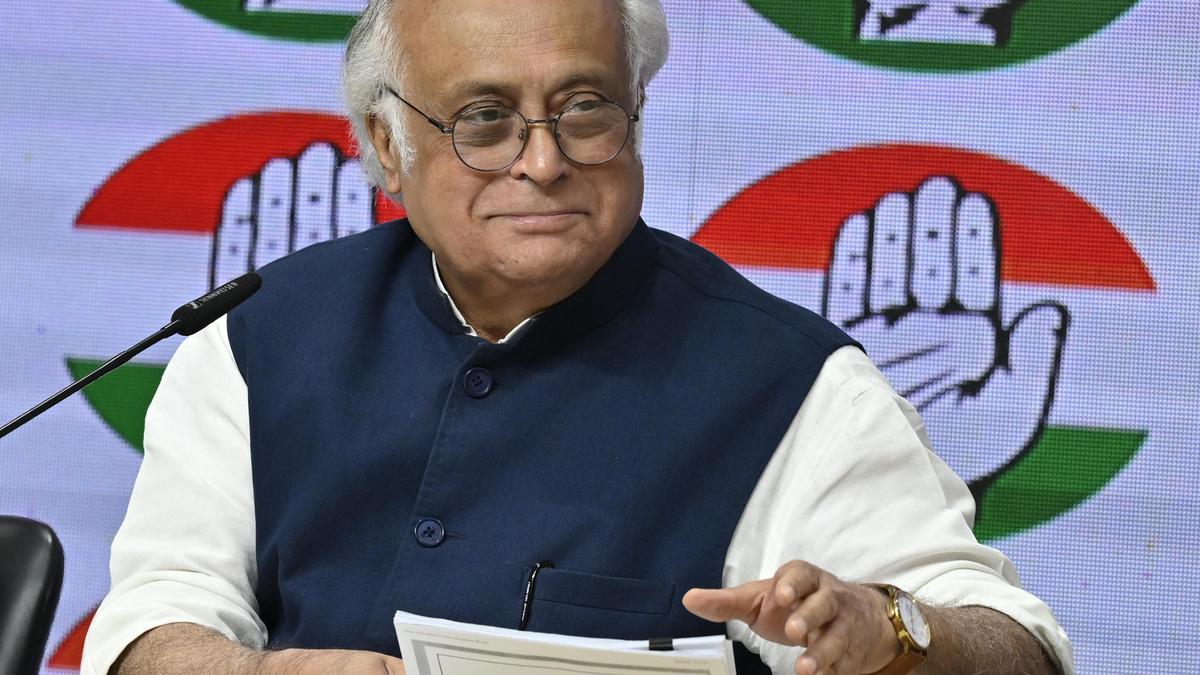
The Congress party has criticized the Modi government over significant surges in essential food prices, specifically highlighting an 82.3% spike in onion costs. Jairam Ramesh utilized a Bollywood cultural reference to question the Prime Minister's silence on the inflationary pressure affecting middle and lower-class households.
Inflationary Pressures and Political Discourse
The Indian political landscape has seen a sharp escalation in rhetoric as the Congress party, led by communications head Jairam Ramesh, launched a scathing critique of the central government regarding the rising cost of living. By invoking the iconic 1977 film song "Kya hua tera vada" (What happened to your promise), the opposition is framing the current economic climate as a failure of the government to honor its commitments to price stability and economic relief for the common citizen.
The Arithmetic of Rising Food Costs
At the core of the opposition's critique is the statistical reality of food inflation. Data cited by the Congress party indicates that between June and September, the all-India average retail price of onions surged from ₹29.50/kg to ₹53.78/kg. This 82.3% increase in just over three months serves as a tangible metric for the broader inflationary trends affecting not just onions, but also pulses, cooking oils, and spices, which have reportedly seen double-digit price hikes.
Socio-Economic Implications
These rising costs represent more than just market fluctuations; they threaten the financial stability of India's middle and lower classes. When the cost of daily-use essential commodities experiences such volatility, household budgets are forced into a state of contraction. For lower-income families, who spend a disproportionate amount of their earnings on food, these price surges can lead to significant reductions in nutritional intake and overall quality of life.
Historical Context and Political Strategy
Historically, food inflation has been a potent political weapon in India, often capable of swaying public sentiment and election outcomes. By highlighting the government’s perceived silence, the Congress party is attempting to shift the narrative from developmental milestones to the immediate, daily struggles of the electorate. The use of cultural touchstones like Bollywood music is a strategic choice designed to resonate with a wider demographic, making abstract economic data feel more personal and urgent.
Broader Economic Challenges
While the government often points to global supply chain disruptions or seasonal agricultural cycles to explain such spikes, the opposition maintains that the burden of policy failure lies with the current administration. The debate underscores a persistent challenge for the Indian economy: balancing robust growth with the necessity of keeping essential goods affordable. As the government faces increased scrutiny, the focus remains on whether structural interventions can stabilize these prices in the long term.
Future Trends and Outlook
Looking ahead, the political climate is likely to remain charged as long as these essential goods remain at elevated price points. If the government fails to implement effective supply-side management or market interventions to curb these surges, the narrative of "skyrocketing prices" is likely to become a central pillar of opposition campaigns. The effectiveness of this strategy will depend heavily on whether the inflation levels stabilize or continue to erode the purchasing power of the average Indian household.
Verification Required?