Cong takes 'Kya hua tera vada? dig at govt over 'skyrocketing prices of food items'
Source Entity
KANCHAN YADAV
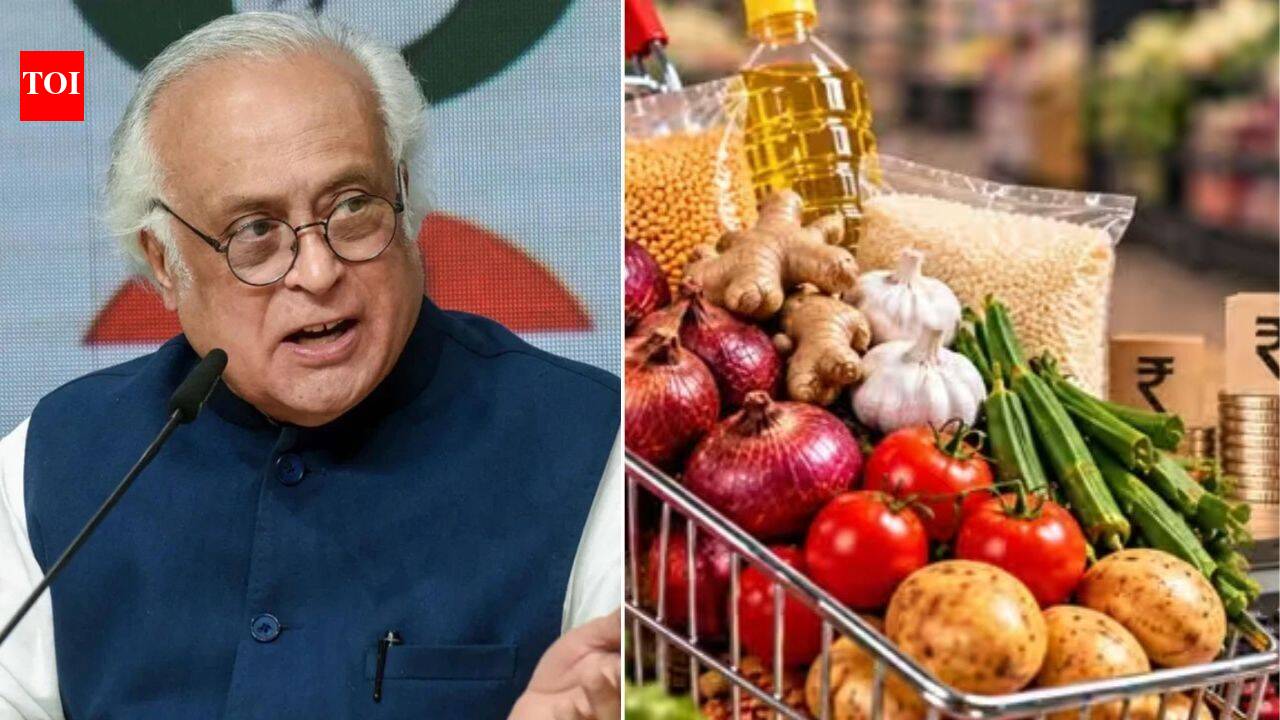
The Congress party has criticized the Modi government over the sharp rise in essential food prices, particularly citing an 82.3% hike in onion costs. Using a Bollywood reference to highlight the PM's silence, the opposition claims inflation is severely impacting middle and low-income household budgets.
Inflationary Pressures and Political Rhetoric
The Indian political landscape witnessed a sharp confrontation on September 21, 2026, as the Congress party launched a scathing attack on the Union government regarding the surging prices of essential food commodities. By invoking the iconic 1977 Bollywood track 'Kya hua tera vada' (What happened to your promise), Congress general secretary Jairam Ramesh framed the current inflationary trend as a direct failure of the Prime Minister’s electoral commitments to control price volatility.
The Anatomy of Price Volatility
Central to the Congress critique is the dramatic escalation in the cost of onions, a staple in the Indian diet and a traditional barometer for food inflation. Data cited by the party indicates that retail prices soared from ₹29.50/kg to ₹53.78/kg between June and September 2026—a staggering 82.3% increase in just over three months. This rapid appreciation in costs, coupled with reported hikes in pulses, cooking oils, and spices (which saw a 10% surge in a single month), highlights the volatility currently plaguing the domestic supply chain.
Impact on Household Economics
Beyond the raw statistics, the Congress narrative emphasizes the human cost of these price hikes. The party argues that the sustained rise in the cost of daily-use commodities has "broken the back" of the middle and lower-income classes. By disrupting household budgets, inflation acts as a regressive tax, disproportionately affecting those who spend a higher percentage of their income on food. This economic pressure is increasingly being translated into political ammunition by the opposition.
The Politics of Silence
Jairam Ramesh’s use of cultural references serves a dual purpose: it captures public attention and characterizes the Prime Minister as detached from the daily struggles of the common citizen. By questioning the government's silence on the matter, the Congress is attempting to force a policy response or, at the very least, highlight a perceived lack of accountability regarding the management of the food economy.
Broader Economic Implications
Historically, food inflation in India has been a potent driver of electoral outcomes. When essential commodities like onions or pulses become unaffordable, they often serve as a catalyst for widespread public discontent. The current trend suggests that if these supply-side shocks are not mitigated through government intervention—such as price stabilization funds, export restrictions, or improved storage logistics—the issue is likely to remain a central pillar of opposition discourse in the coming months.
Future Outlook
As the government faces increased scrutiny, the challenge lies in balancing market forces with consumer affordability. The effectiveness of the administration's response will likely be measured by its ability to stabilize the price of volatile commodities like onions and pulses. Failure to curb these trends could lead to persistent political friction, as the opposition continues to leverage the immediate economic grievances of the electorate to challenge the government's economic track record.
Multiple Citing Sources