CNBC Daily Open: May the 'AI Force' be with you
Source Entity
US Top News and Analysis
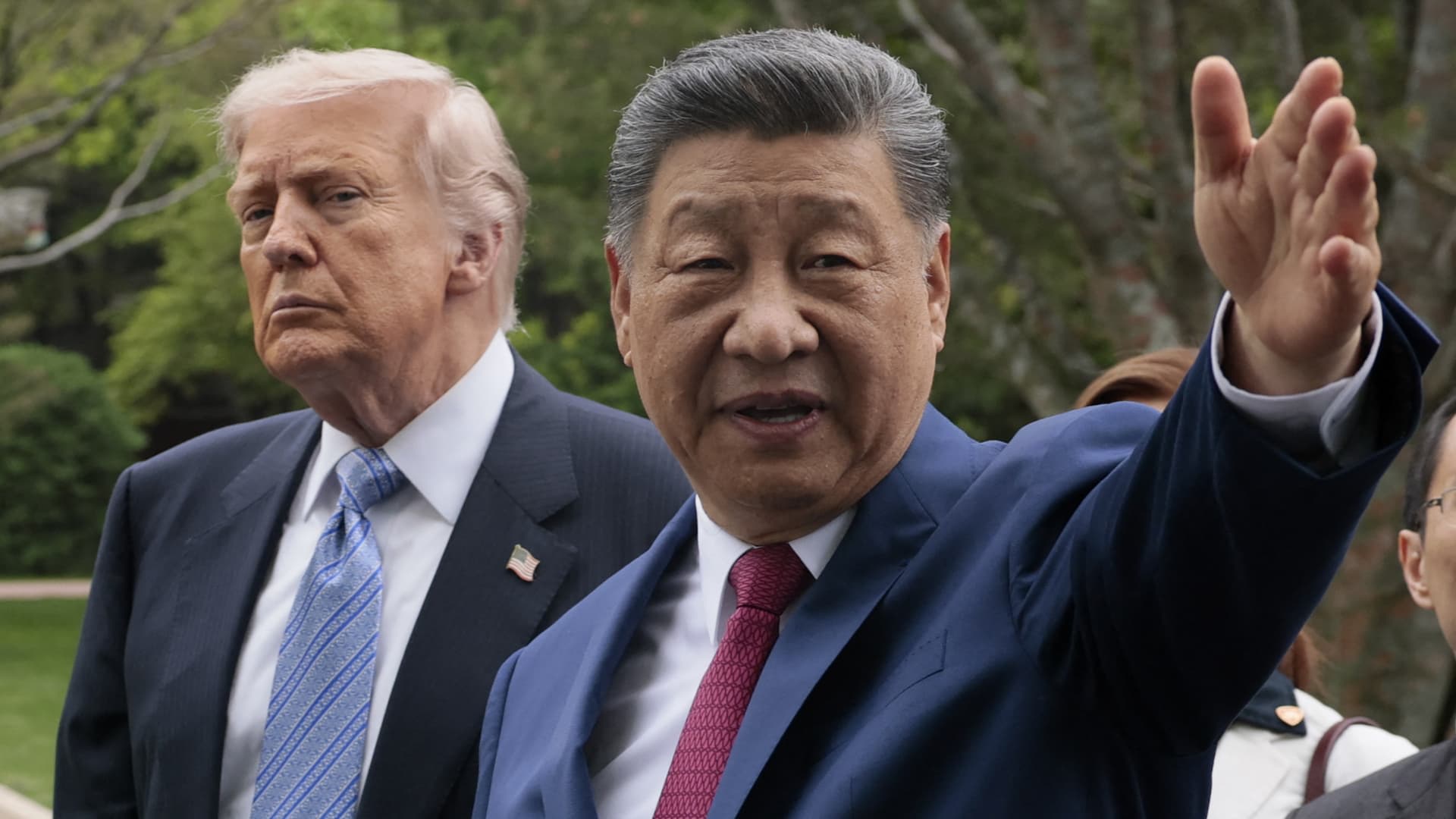
President Trump has announced the formation of an 'AI Force' while dismissing doomsday warnings about the technology as a hoax. The initiative highlights a strategic push to maintain U.S. competitive advantage against China in the global artificial intelligence race.
The Emergence of the 'AI Force'
President Donald Trump has officially announced the creation of an 'AI Force,' a move that signals a significant pivot in how the United States approaches the governance and development of artificial intelligence. This initiative comes at a critical juncture, as the president frames AI not merely as a tool for innovation, but as a central pillar of national security and a primary front in the ongoing economic and political contest with China. By establishing a dedicated force, the administration is signaling that AI development is a top-tier national priority.
Strategic Competition and Geopolitical Stakes
The timing of this announcement is underscored by upcoming diplomatic engagements, specifically meetings between President Trump and Chinese President Xi Jinping. For both leaders, AI serves as the ultimate benchmark for future global dominance. The rhetoric surrounding this competition suggests that the administration views the 'AI race' as a zero-sum game where the United States must maintain a decisive edge. This perspective aligns with the president's mantra, 'Whoever wins AI, wins,' emphasizing that technological superiority is now inextricably linked to national power.
Dismissing the 'Hoax' Narrative
Despite growing concerns from within the industry—including public warnings from researchers like Anthropic's Jacob Coxon regarding the existential risks of AI—President Trump has dismissed these alarms as a 'hoax.' By comparing these warnings to his past characterizations of climate change and the Russia investigations, the president is effectively signaling a deregulation-first approach. He has even engaged his base on social media to poll preferred nomenclature for the technology, debating between 'SUPER INTELLIGENCE' and 'SUPERIOR INTELLIGENCE,' further downplaying the perceived threats to humanity.
The Role of Regulatory Oversight
While the administration is aggressively pushing for rapid development, it has not entirely abandoned the concept of oversight. President Trump stated that the Department of Justice and other federal law enforcement agencies would be utilized to 'rein in' risks associated with AI 'if we have to.' This creates a complex regulatory environment where the government encourages unfettered innovation while maintaining a latent threat of intervention, suggesting that the DOJ will serve as a reactive backstop rather than a proactive regulator.
Future Trends and Implications
Looking forward, the establishment of the 'AI Force' suggests that the U.S. will likely prioritize speed and scale over the cautious, guardrail-heavy approach favored by some international counterparts. This policy trajectory indicates that U.S. companies will face minimal friction in their development cycles, provided they align with the administration's national competitive goals. However, the tension between this 'win at all costs' mentality and the potential safety risks identified by industry insiders remains a significant friction point that will likely define the domestic political and technological landscape for years to come.
Multiple Citing Sources