Contempt case: Delhi HC gives Kejriwal, AAP leaders four weeks to reply
Source Entity
Latest News: Todays Latest News Headlines from India & World | Hindustan Times | Hindustan Times
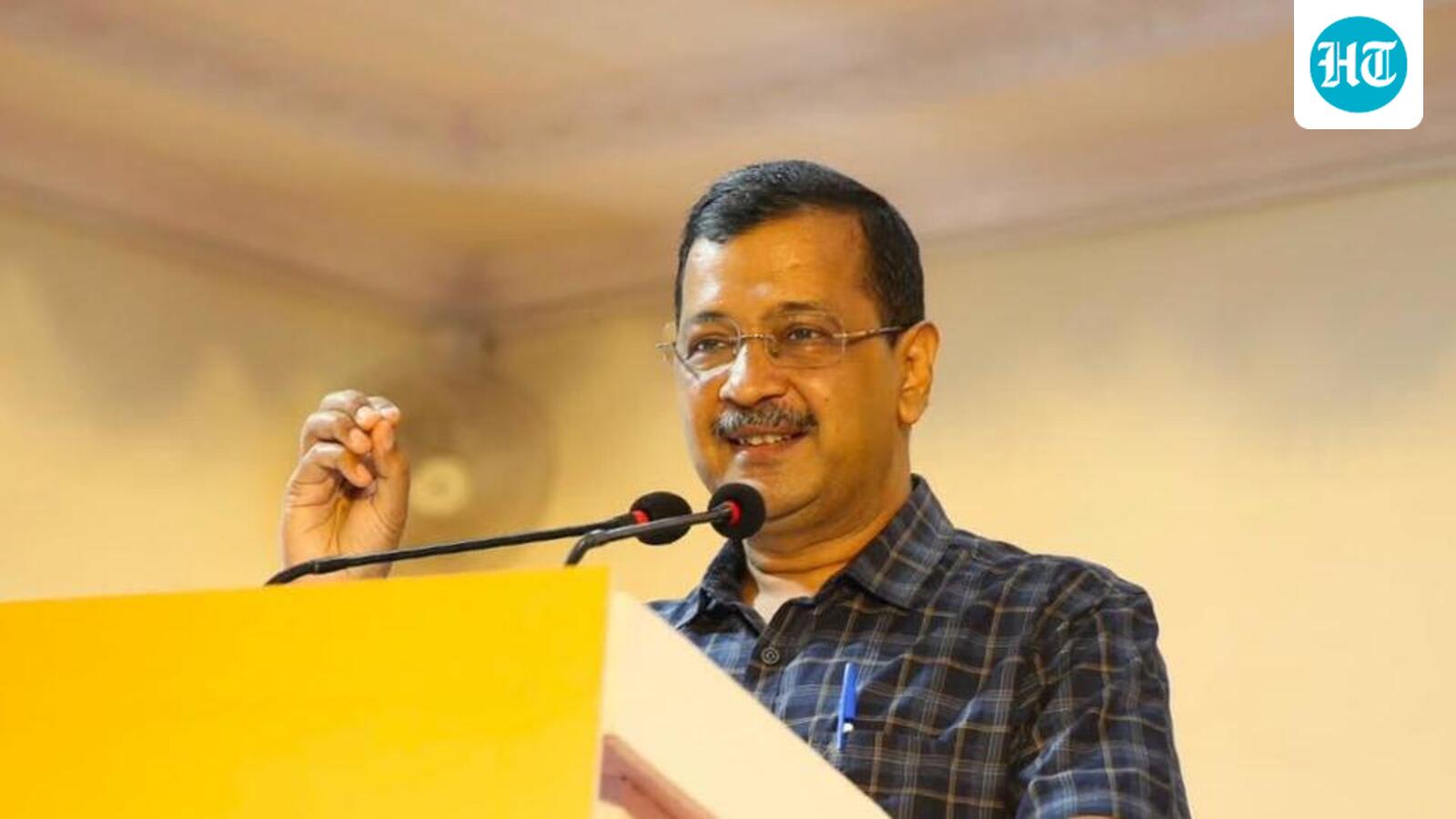
The Delhi High Court has granted Arvind Kejriwal and several AAP leaders four weeks to respond to a criminal contempt case. The proceedings stem from allegedly defamatory social media posts targeting Justice Swarana Kanta Sharma, with the next hearing scheduled for November 16.
Legal Developments in the Contempt Case Against AAP Leadership
The Delhi High Court has formally granted former Delhi Chief Minister Arvind Kejriwal and several senior Aam Aadmi Party (AAP) leaders—including Manish Sisodia, Sanjay Singh, Saurabh Bharadwaj, Vinay Mishra, and Durgesh Pathak—a four-week window to file their responses in a pending criminal contempt case. This legal action, initiated by Justice Swarana Kanta Sharma, centers on allegations of defamatory social media posts purportedly targeting the judge. The bench, comprised of Justices Navin Chawla and Arun Bhardwaj, has set November 16 as the subsequent date for the hearing, marking a pivotal moment in the ongoing judicial scrutiny of the party's online conduct.
Procedural Due Process and Document Access
A central component of the recent court session was the issue of procedural fairness. During the proceedings, senior advocate Vikram Chaudhary, representing Kejriwal, noted that the defense had not received all necessary documentation forming the basis of the contempt accusations. Consequently, the court permitted the accused parties to approach the judicial registrar to obtain these materials. This step ensures that the principles of natural justice are upheld, allowing the defense a comprehensive opportunity to review the evidence and prepare a robust rebuttal before the November deadline.
Origins of the Contempt Proceedings
The genesis of this litigation lies in the intersection of digital discourse and judicial decorum. The contempt case was initiated following public comments and social media activity that were deemed to be "vilifying" towards Justice Swarana Kanta Sharma. In the current political landscape, where social media serves as a primary vehicle for political communication, this case underscores the high threshold the judiciary maintains regarding public discourse that touches upon judicial integrity. The court’s role here is to determine whether the actions of the AAP leaders crossed the line from political criticism into the realm of criminal contempt.
Broader Implications for Political Discourse
This case carries significant weight for the broader political landscape in India. It highlights the increasingly contentious relationship between political entities and the judiciary. As political figures frequently utilize digital platforms to influence public opinion, the legal boundaries of "fair comment" versus "contempt" are being rigorously tested. The outcome of these proceedings could set a precedent for how political leaders navigate public criticism of judicial officers, potentially influencing future digital communication strategies for parties across the spectrum.
Future Trends and Judicial Oversight
Looking ahead, the November 16 hearing will be a critical juncture. Beyond the primary case, the court has also listed a separate contempt petition filed by lawyer Ashok Chaitanya against the same AAP leaders for the same date. The consolidation of these matters suggests that the court is aiming for a systematic resolution. As the legal process unfolds, the focus will remain on the evidentiary submissions and the subsequent arguments regarding the intent and impact of the alleged social media posts. This case serves as a stark reminder of the judiciary's commitment to maintaining its institutional sanctity against external pressures.
Conclusion
In summary, the Delhi High Court's recent order provides necessary procedural clarity while keeping the legal pressure on AAP leadership. By ensuring the defense has access to all pertinent materials, the court is reinforcing its commitment to a transparent and fair trial. As the November 16 hearing approaches, the legal community and the public will be watching closely to see how the defense addresses the accusations and how the court navigates the complex balance between freedom of speech and the protection of judicial reputation.
Verification Required?