Punjab drug menace: Cong shares video of man consuming poison outside DC office
Source Entity
RAJEEV SINGH
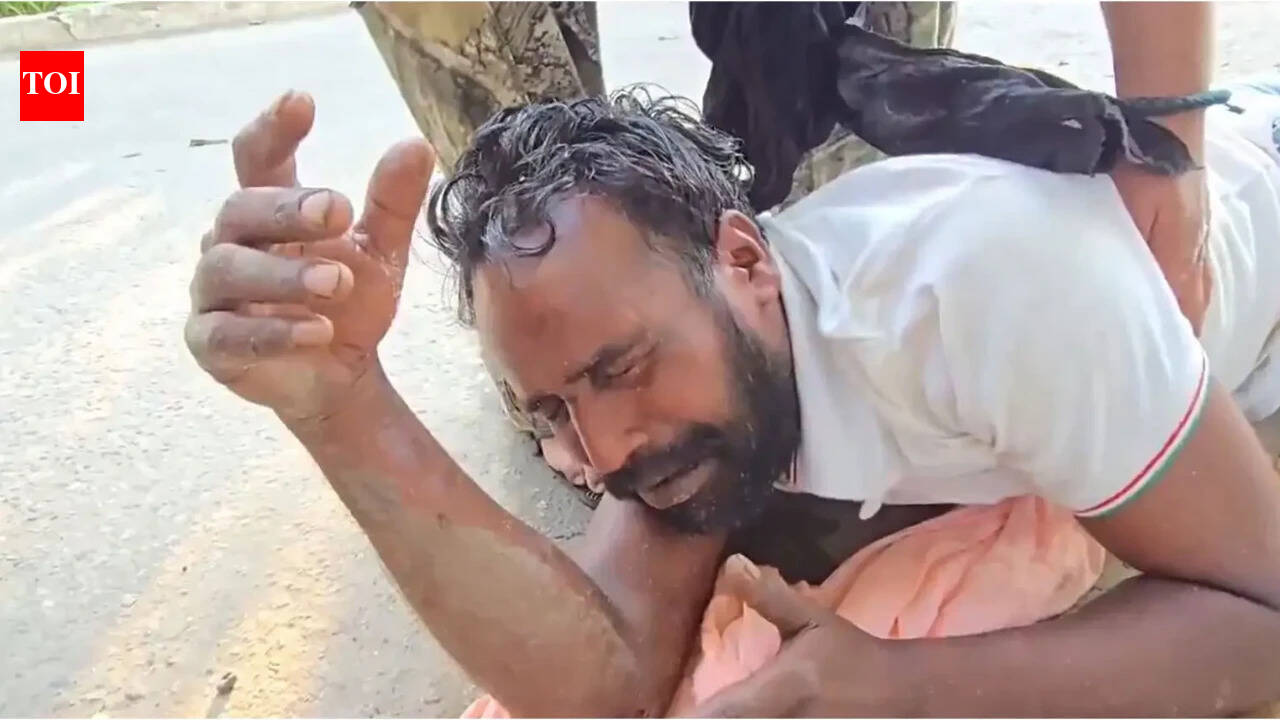
A Punjab man, Jagseer Singh, attempted suicide outside the Sangrur DC office after allegedly being harassed for speaking out against local drug trafficking. The incident has triggered a sharp political confrontation between the opposition Congress party and the ruling AAP government regarding administrative accountability.
The Crisis of Silence: Drug Menace and Political Accountability in Punjab
Recent events in Punjab’s Sangrur district have brought the state's persistent struggle with drug abuse into sharp focus. Jagseer Singh, also known as Jagga, a resident of Namol village, was rushed to the Sangrur government hospital and later transferred to Rajindra Medical College and Hospital in Patiala after consuming a poisonous substance outside the Deputy Commissioner’s office. This desperate act serves as a harrowing indicator of the personal toll exacted on citizens who attempt to challenge the entrenched networks of drug distribution within their communities.
The Anatomy of the Protest
Jagseer Singh’s actions were reportedly motivated by ongoing harassment and threats he faced after publicly campaigning against the prevalence of drugs in his village. By choosing the DC’s office—a site representing the administrative heart of the district—as the location for his protest, Singh highlighted a perceived failure of the local machinery to protect whistleblowers. The incident underscores a recurring narrative where individuals feel forced into extreme measures due to the perceived indifference of local law enforcement and administrative bodies.
Political Fallout and Opposition Scrutiny
The incident has ignited a fierce political row, with the Congress party seizing the opportunity to criticize the Aam Aadmi Party (AAP) government. Congress poll in-charge for Punjab has publicly questioned the administration’s claims of creating a 'drug-free' state, pointing to the harassment of activists as evidence of systemic failure. This confrontation is particularly sensitive given that the Sunam Assembly constituency, where Namol village is located, falls within the home district of Punjab Chief Minister Bhagwant Mann, placing the government’s local governance model under intense scrutiny.
A Pattern of Despair
This incident does not exist in a vacuum; it follows the recent death of Gulzar Singh, a Dalit labourer who reportedly died by suicide after questioning Punjab Finance Minister Harpal Singh Cheema regarding rampant drug abuse. The proximity of these two events suggests a troubling trend where citizens feel that their grievances regarding the drug menace are not only ignored but met with hostility. The intersection of economic vulnerability and the drug epidemic creates a volatile environment where public frustration is increasingly manifesting in self-harm.
Broader Implications for Governance
The recurring nature of these incidents poses a significant challenge to the AAP government's credibility. For a administration that campaigned on promises of systemic change and anti-corruption, the inability to shield those exposing illicit drug networks threatens to undermine public trust. The demand for accountability is growing, as opposition parties leverage these tragedies to highlight a perceived gap between policy rhetoric and ground-level reality in Punjab’s fight against narcotics.
Future Outlook
Moving forward, the administration faces the dual challenge of addressing the structural supply of drugs and managing the burgeoning political crisis. If the government fails to implement robust protections for whistleblowers and fails to address the lack of safety for those speaking out, these incidents are likely to continue. The situation in Sangrur acts as a bellwether for the state’s broader stability, indicating that until the administration can guarantee the safety of its citizens, the political volatility surrounding the drug issue will remain a defining feature of Punjab’s current governance landscape.
Multiple Citing Sources