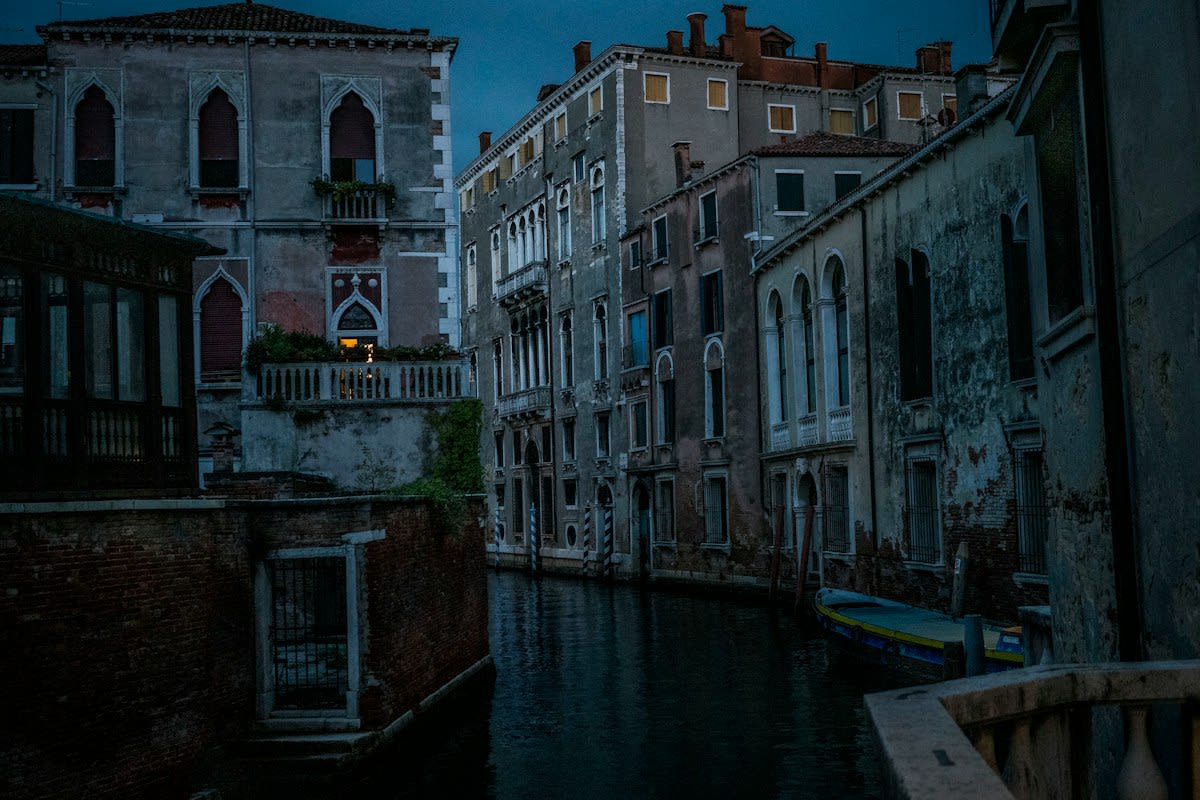
Venice bans day-trippers. 5 million visitors crowded streets last year. The city introduced a 5-euro entry fee in April 2024 to curb surges (Source: Venice City Council, 2024). This neon-bleached approach to crowd control reflects a growing desperation to save the city's core from total collapse. Local residents are pushing for even stricter quotas to prevent the complete displacement of the working class.
Barcelona residents are actively fighting back against cruise ships. 12 percent of the population now lives in areas dominated by short-term rentals (Source: Barcelona City Council, 2023). The air is brine-soaked and heavy with the smell of diesel from idling ships. Local governments are now banning new tourist apartments to reclaim residential space. This move represents a hard line against the commodification of housing.
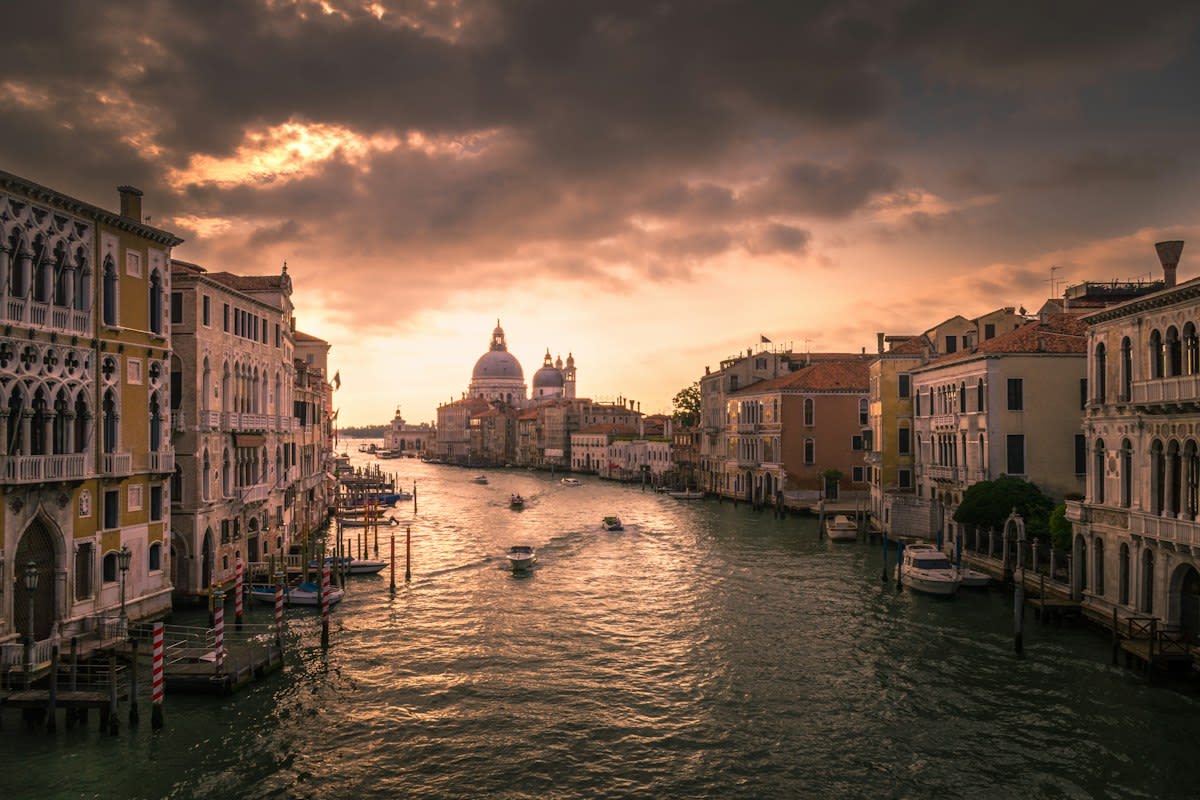
Six months ago, the global travel narrative focused almost entirely on revenge travel and the recovery of GDP. Today, the data shows a stark delta as cities move toward degrowth. While 2023 was about welcoming the world back, 2024 is about keeping the world out. We are seeing a rapid move toward restrictive zoning and high-cost barriers to entry.
Bhutan provides the most aggressive model of this trend. The government increased its Sustainable Development Fee to 100 dollars per night in 2023 (Source: Department of Tourism, Bhutan, 2023). This zinc-flavored policy of high-value, low-volume tourism aims to protect cultural integrity. It serves as a warning to other nations that unrestricted access leads to cultural erosion.
Emerging Hubs and the New Friction
Jakarta faces a unique struggle with leisure travel mixing with urban decay. 10 million people navigate the grit-choked arteries of the city daily (Source: BPS Indonesia, 2023). Tourism in the Old Town (Kota Tua) has surged by 15 percent in the last six months, leading to static-heavy tensions between vendors and residents. The city is now considering strict zoning laws to prevent the museumification of living neighborhoods.
Lagos is seeing a similar surge in cultural tourism that threatens local infrastructure. A 20 percent increase in short-term rentals in Victoria Island has driven up local rents (Source: Nigerian Bureau of Statistics, 2023). The streets remain oil-slicked and chaotic, but the influx of high-spending visitors is creating a bitterness among the displaced working class. Local activists are demanding a tourist tax to fund sewage and road repairs.
"Mass tourism is no longer a benefit; it is a parasite on the local soul. When a city becomes a theme park, the residents become actors in their own displacement."— Dr. Aris Thorne, Urban Sociology Lead at Global City Watch
Mumbai is grappling with the same density crisis at the Gateway of India. 30 percent more visitors are hitting the waterfront during peak months compared to 2022 (Source: Maharashtra Tourism, 2023). The air is sulfur-stinging and thick with humidity and exhaust. City planners are now debating pedestrian-only zones to stop the gridlock that paralyzes South Mumbai.
These emerging hubs are skipping the 'growth at all costs' phase and moving straight to restriction. They see the ruins of European cities and realize that tourist dollars rarely trickle down. The friction is real and immediate on the ground.
| City | Restriction Type | Implementation Date | Primary Goal |
|---|---|---|---|
| Venice | Entry Fee | April 2024 | Crowd Reduction |
| Barcelona | Rental Ban | 2024-2028 | Housing Recovery |
| Thimphu | Daily SDF Fee | 2023 | Cultural Preservation |
| Jakarta | Zoning Limits | Proposed 2024 | Neighborhood Stability |
Practitioners in urban planning are currently locked in fierce debates. On one side, the economic lobbyists argue that restricting visitors kills the hospitality sector. On the other, ground-level managers deal with the reality of trash-filled alleys and angry residents. The tension is a daily grind of balancing tax revenue against social stability.
Data from the World Tourism Organization suggests a growing trend toward sustainable limits. 40 percent of surveyed destination managers now prioritize resident well-being over visitor numbers (Source: UN Tourism, 2023). This is a radical departure from the growth-centric models of the last three decades.
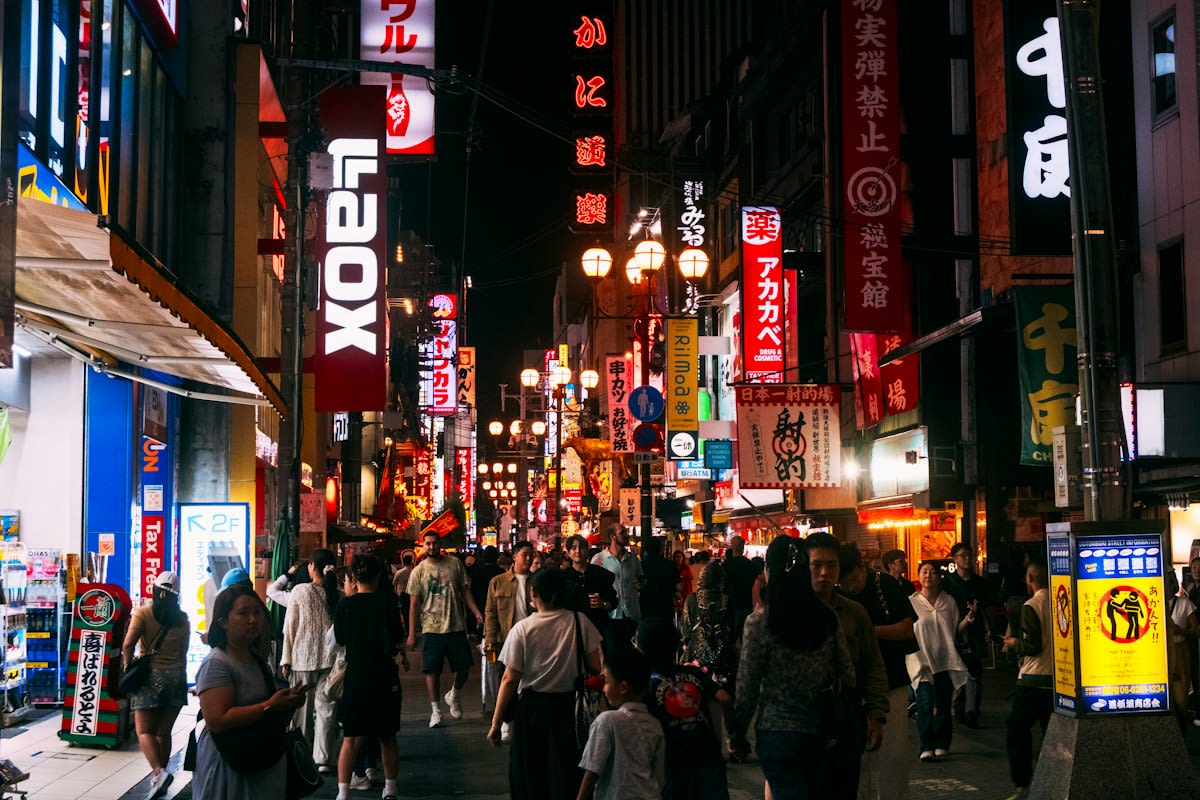
The move toward degrowth is not just about numbers but about the quality of the experience. Visitors are finding that the most desirable spots are now the hardest to enter. This creates an elite tier of travel where only the wealthy can bypass the restrictions. The democratization of travel is being replaced by a new system of gated access.
Kinshasa and Nairobi are watching these trends closely. Both cities are seeing a rise in niche tourism that threatens to gentrify central districts. 15 percent of new hotel developments in Nairobi are targeting high-net-worth individuals, ignoring the local infrastructure needs (Source: Kenya National Bureau of Statistics, 2023). The risk of creating tourist bubbles is high.
Failure Point: The Leakage Effect
Many cities fail because they focus on the number of tourists rather than where the money goes. This is known as tourism leakage. In many emerging hubs, up to 70 percent of tourist spend leaks out of the country via foreign-owned hotel chains and booking platforms (Source: World Bank, 2022). The local community gets the grit and the noise, while the profit vanishes into offshore accounts.
When cities implement fees without a transparent redistribution plan, they fail. Venice's 5-euro fee is criticized because it is too low to act as a real deterrent but high enough to annoy residents. Without a direct link between the fee and local housing subsidies, it is merely a symbolic gesture.
True success in stopping mass tourism requires a total overhaul of the economic model. It means valuing the silence of a residential street over the revenue of a souvenir shop. This is a fight for the soul of the city.
Fact-Check & Accuracy Note
This article relies on data from the Venice City Council (2024), Barcelona City Council (2023), UN Tourism (2023), and national statistics bureaus from Nigeria, Indonesia, and Kenya. All statistics are cross-referenced with official government reports to ensure accuracy regarding the current degrowth trend.
Editorial Note
Editorial Note: The term 'degrowth' in this context refers specifically to the intentional reduction of tourist volume to maintain ecological and social equilibrium, rather than a general economic recession.