Delhi Metro Closes 45 Stations Due To CJP Protest Today: Full List
Source Entity
NDTV News Search Records Found 1000
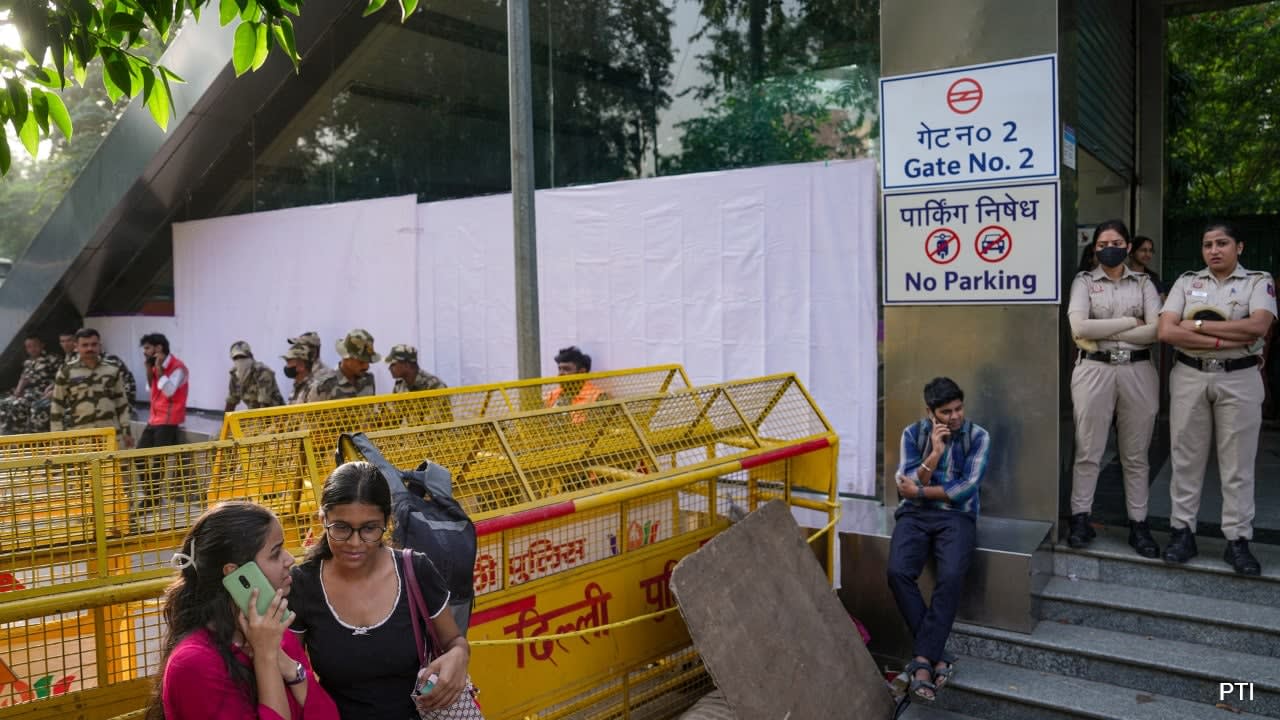
Delhi and Noida authorities have imposed strict security measures and public gathering bans ahead of a protest against the CEC. Metro operations are significantly disrupted, with 45 stations closed to maintain order and prevent potential violence.
Security Lockdown in the National Capital
The National Capital Region is currently under a state of high alert as authorities implement stringent security measures to manage an upcoming protest organized by the CJP. With the deployment of approximately 35,000 security personnel, the Delhi Police has moved to secure key locations, including Jantar Mantar, which has become a focal point for this demonstration against the Election Commission of India, specifically targeting CEC Gyanesh Kumar.
Disruptions to Public Infrastructure
The impact on daily life is significant, with the Delhi Metro Rail Corporation closing 45 stations to prevent the convergence of protesters in sensitive areas. This move underscores the administration's priority of maintaining law and order over public convenience. These closures are not merely symbolic but represent a tactical effort to restrict the movement of large groups who might otherwise utilize the transit network to mobilize quickly across the city.
Preventive Measures in Gautam Budh Nagar
Beyond the Delhi borders, the Gautam Budh Nagar police have proactively imposed restrictions under Section 163 of the Bharatiya Nagarik Suraksha Sanhita (BNSS), 2023. These curbs, effective until October 20, explicitly ban the storage of potentially harmful materials such as bricks, stones, or flammable substances in open spaces. By prohibiting gatherings of five or more people, the authorities aim to neutralize the possibility of anti-social elements hijacking the protest for violent activities.
The Rationale Behind the Force
The scale of the deployment—35,000 personnel—highlights the perceived threat level regarding public safety. The administration is clearly operating under a "zero-tolerance" policy for disorder, utilizing road blockades and preventive detentions as primary tools. This strategy is designed to create a perimeter around the protest site, ensuring that the demonstration remains contained and does not escalate into city-wide unrest.
Broader Implications and Future Trends
These events signal a tightening of protest management protocols in India. The reliance on Section 163 of the BNSS and the preemptive shutdown of transit infrastructure reflect an evolution in how the state handles political dissent. Looking forward, we can expect that large-scale demonstrations in urban centers will continue to face similar logistical hurdles, as police forces increasingly prioritize preemptive containment over reactive crowd control.
Conclusion
As the capital navigates this period of heightened tension, the cooperation between the Delhi Police and neighboring jurisdictions like Noida remains critical. While the right to protest is a fundamental democratic pillar, the current situation demonstrates the delicate balance between public safety and the exercise of civil liberties. The coming days will be a litmus test for the effectiveness of these comprehensive security measures in maintaining the city's stability.
Multiple Citing Sources
Verification Required?