Justice Department opens antitrust probe as White House press-access fight escalates
Source Entity
US Top News and Analysis
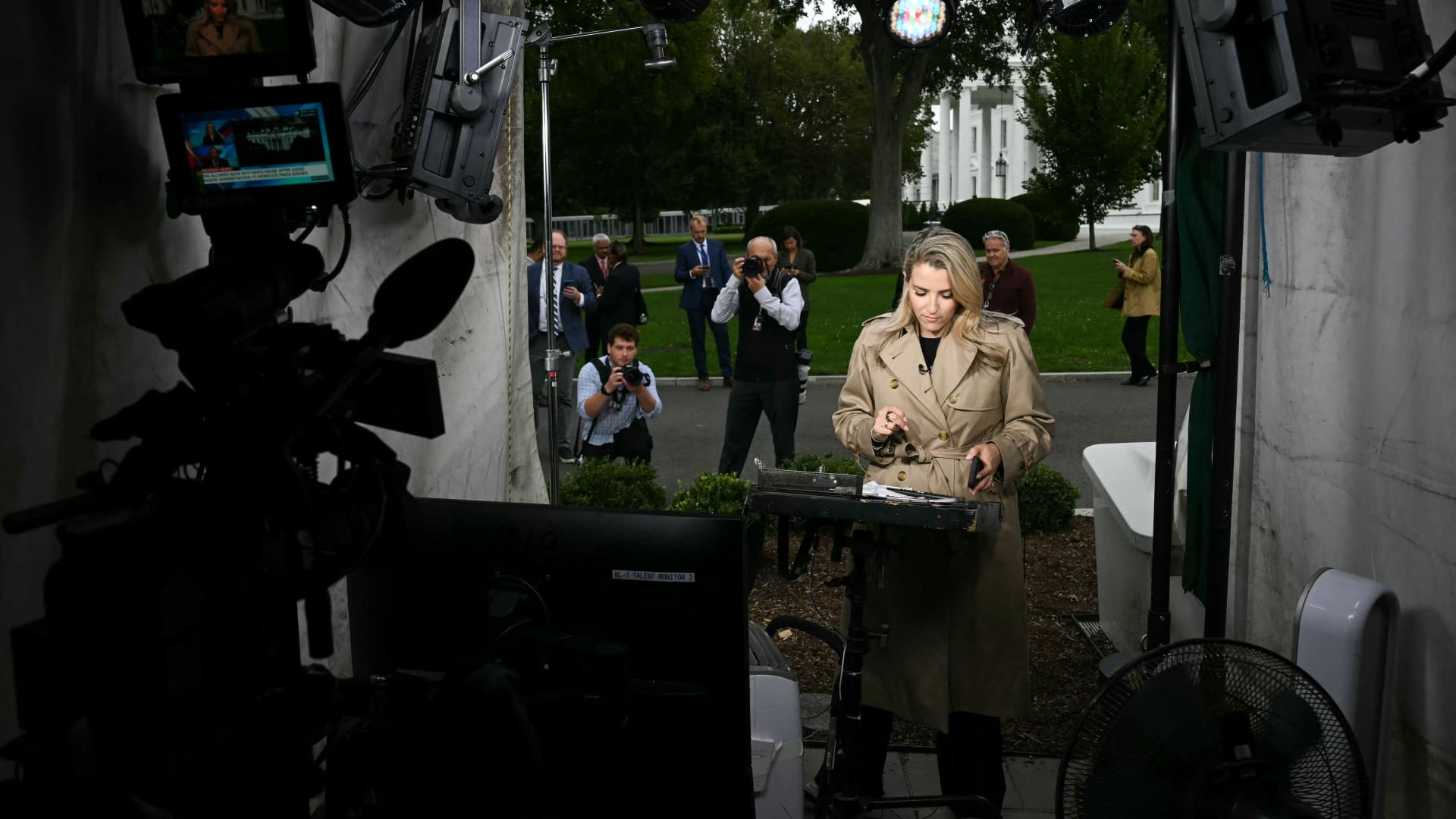
The Department of Justice has launched an antitrust investigation into the White House TV press pool regarding the suspension of coverage of President Trump. This move follows a judicial order that restored access to CNN and MS NOW reporters after a period of exclusion.
The Intersection of Antitrust Law and Press Freedom
The U.S. Department of Justice has initiated a significant investigation into the White House television press pool, focusing on potential violations of the Sherman Act. This probe centers on the collective decision by major broadcasters—including CNN, Fox News, ABC, CBS, and NBC—to temporarily halt pooled TV coverage of President Donald Trump. The move represents a rare instance where federal antitrust scrutiny is applied to the organizational mechanics of the White House press corps.
Understanding the Sherman Act Implications
At the heart of this inquiry is the Sherman Act, a foundational piece of American antitrust legislation designed to prevent anticompetitive behavior and monopolistic practices. The DOJ’s interest lies in determining whether the press pool, by acting in concert to suspend coverage, engaged in an illegal agreement that restrained trade or access to information. While the press pool historically functions as a logistical necessity for covering the presidency, the government is now questioning if such coordination crosses the line into prohibited collective action.
The Legal Battle for Press Access
This investigation follows a high-profile legal dispute that saw CNN and MS NOW reporters restricted from the White House premises. A federal judge eventually intervened, ordering the restoration of access for these reporters. The current DOJ probe acts as a secondary layer of conflict, shifting the focus from individual press credentials to the structural legality of the pool system itself, which serves as the primary conduit for televised presidential reporting.
Broader Implications for Media Relations
The tension between the executive branch and the media has reached a critical juncture. By framing the press pool's operational decisions as a potential antitrust violation, the administration is challenging the traditional autonomy of news organizations to manage their own coverage arrangements. This investigation could set a precedent for how the government interacts with media collectives, potentially forcing a restructuring of how press pools are managed to avoid future litigation regarding market access and information flow.
Future Trends and Judicial Precedents
As the Department of Justice continues its examination, the outcome will likely hinge on whether the court views the press pool as a necessary cooperative endeavor or an anticompetitive entity. If the DOJ finds evidence of a violation, it could lead to significant changes in the regulations governing White House press operations. Conversely, if the probe is dismissed, it may solidify the rights of news organizations to self-organize without fear of federal intervention under the guise of antitrust law.
Conclusion
The escalating fight over press access has moved from the courtroom to the regulatory sphere. By invoking the Sherman Act, the DOJ has elevated a dispute over media access into a debate about the limits of collective action within the press. As this investigation unfolds, the balance between government oversight and the independence of the media remains a central point of contention in American democratic life.