The Northern Gatekeeper
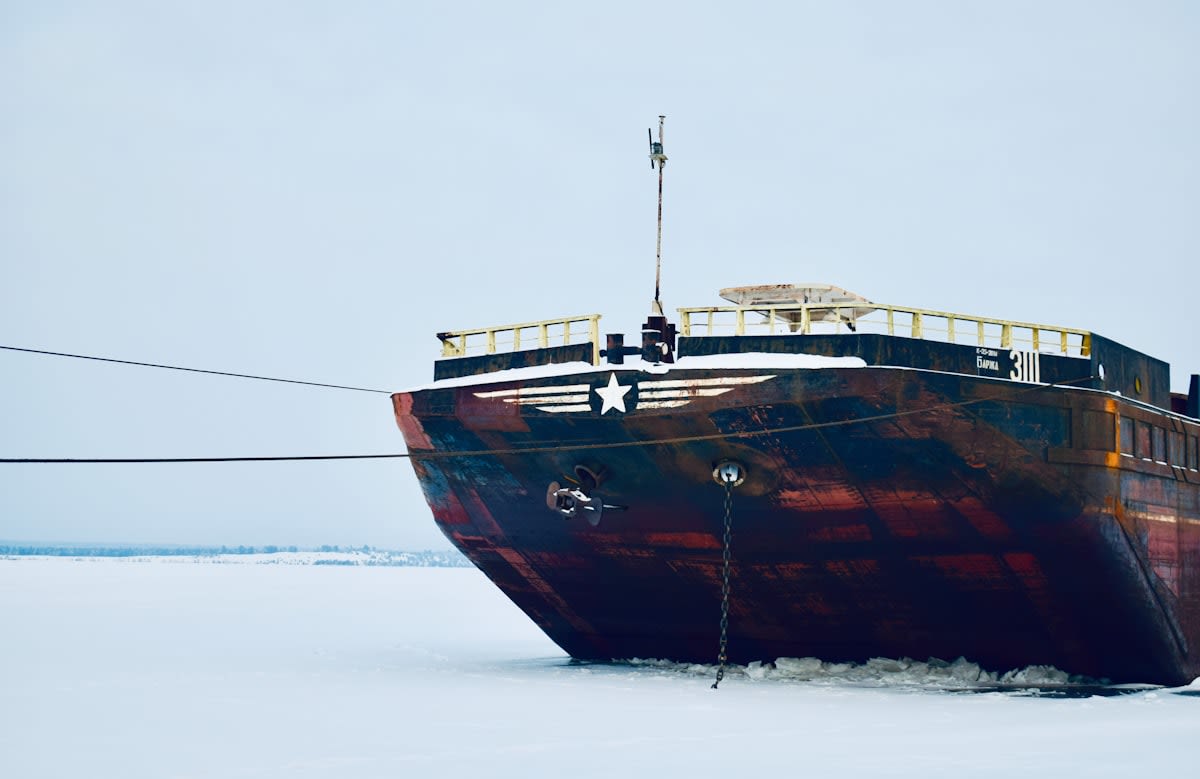
Why does the world suddenly care about the frozen fringes of the map? The answer lies in the ruthless pragmatism of geography. Russia has positioned itself as the Arctic gatekeeper, a role it maintains with clinical persistence. Despite the crushing burdens of the ongoing war in Ukraine, the Kremlin has not blinked on its maritime ambitions, continuing to pour resources into its Northern Fleet and naval infrastructure. This is not merely a military posture; it is a calculated bet that the melting ice will turn Eastern Europe into the primary transit corridor between the Atlantic and Pacific, bypassing traditional choke points entirely.
Who actually benefits from this frozen realignment? China, despite being as far from the Arctic Circle as Rome or Berlin, has declared itself a near-Arctic state. This linguistic gymnastics serves a hard economic purpose: securing a near-monopolistic chokehold over the processing of rare earths. By eyeing interests in Greenland and partnering with Russian maritime infrastructure, Beijing is ensuring that its supply chains are not beholden to the whims of distant naval powers. This creates a symbiotic, if tense, relationship where Eastern European geography becomes the essential bridge for Chinese industrial dominance.
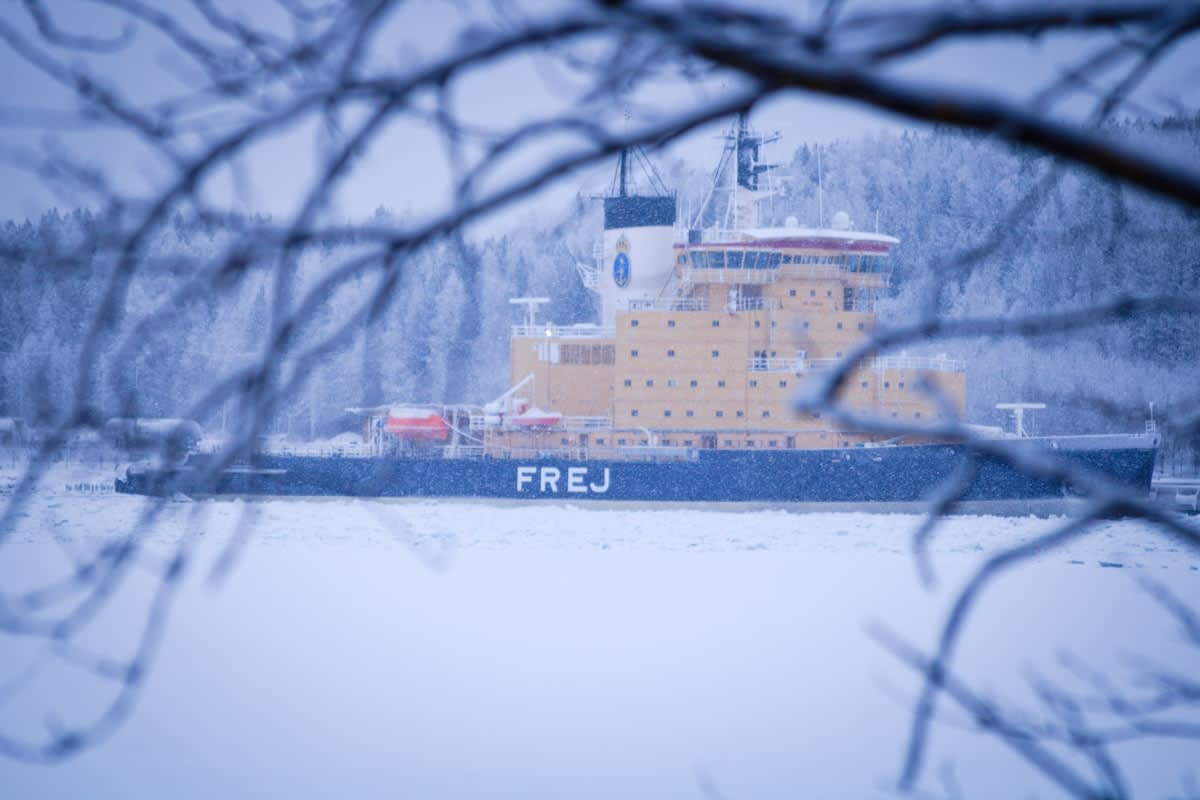
Does this mean the Middle East is losing its luster? Not exactly, but the nature of the competition has changed. As disrupted shipping routes push freight demand into the air, the Middle East has evolved into a high-velocity surrogate. Etihad Cargo and PwC Middle East are observing a surge in air cargo as a resilience strategy. When sea lanes are blocked or too risky, the world turns to the skies. However, air cargo is a tactical fix. The Arctic, conversely, is a structural reconfiguration of how goods move across the planet, offering a permanent alternative to the volatility of the southern routes.
"The challenge is no longer simply to manage the Earth's final frontiers, but to govern them in a way that reflects contemporary geopolitics."— Geopolitical Monitor
The logistics of this new world are not just about ships and planes; they are about the invisible data layers that track them. This is where the industrial machinery of companies like Avery Dennison becomes critical. In 2024, Avery Dennison reported multi-billion dollar revenue, driven largely by the sustained demand for RFID tags and intelligent labels. When cargo moves through fragmented, high-risk corridors—from the Middle East air hubs to the Russian North—the ability to track a single pallet in real-time is the only thing preventing total systemic collapse. Logistics is no longer about moving a box; it is about the data attached to that box.
| Logistics Hub | Primary Driver | Key Infrastructure | Strategic Objective |
|---|---|---|---|
| Middle East | Shipping Disruptions | Air Cargo Hubs | Immediate Resilience |
| Arctic/Russia | Climate Change | Northern Fleet | Gatekeeper Control |
| China (Near-Arctic) | Resource Security | Greenland Investments | Rare Earth Monopoly |
But this rapid expansion of logistics capacity comes with a dangerous financial underside. The case of Hub Group serves as a cautionary tale. A class action lawsuit filed in July 2026 alleges that the company engaged in the premature and incorrect recognition of operating revenue between April 2023 and May 2026. This suggests a pattern where the pressure to show growth in a volatile logistics market leads to material misstatements in financial reporting. When the world rushes to build new junctions, the temptation to inflate the success of those junctions often outweighs the commitment to internal controls.
The Resource Nexus
The race for the North is not just about ice; it is about the rare earths in Greenland and the processing monopolies held by China, which turn a geographic route into an industrial weapon.
How do we reconcile the military buildup in the North with the commercial needs of global retail? The answer is a precarious coexistence. The Russian Northern Fleet provides the security—and the threat—that ensures any vessel passing through these waters acknowledges Moscow's authority. Meanwhile, the retail branding and information solutions provided by materials suppliers ensure that the consumer goods moving through these corridors remain profitable. It is a marriage of convenience between hard military power and soft logistics technology.
We must ask: is the world prepared for a future where the most critical logistics junction is controlled by a single, assertive state? The current trend suggests a blind acceptance of this reality. By allowing Russia to entrench itself as the Arctic gatekeeper, the global community is trading the volatility of the Middle East for the strategic dependency of the North. The shift is subtle, hidden under the guise of climate-driven route opening, but the result is a fundamental redistribution of power.
The financial volatility seen in the logistics sector is a symptom of this transition. When companies like Hub Group struggle with revenue recognition, it reflects a broader instability in how we value logistics assets in a world where the map is being redrawn. The growth is real, but the accounting is often fictional. As the world moves toward these new junctions, the gap between the perceived value of the route and the actual operational efficiency continues to widen.
Ultimately, the rise of Eastern Europe as a logistics hub is a story of opportunistic geography. Russia provides the land and the ice-breaking capability; China provides the capital and the resource demand; and the rest of the world provides the freight. It is a cold, calculated arrangement that prioritizes efficiency and control over traditional diplomatic alliances. The ice is melting, and in its place, a new, more rigid structure of global trade is freezing into place.