
The traditional allure of the mega-city—the perceived epicenter of power, culture, and liquidity—is fracturing. For decades, the strategic play was simple: occupy the center. But the center is becoming loud, volatile, and increasingly transparent. We are witnessing a pivot toward 'Invisible Enclaves,' which are not necessarily remote islands or mountain retreats, but rather highly curated zones of stability. Whether these are the hyper-concentrated first-tier cities of Asia or the quieted pockets of the West, the goal is the same: the decoupling of wealth from public volatility.
Why now? The catalysts are systemic. In the United States, we see the erosion of urban security, exemplified by property crime waves targeting institutional pillars like churches in St. Louis (Source: FirstAlert4, 2026). In Europe, the instability is psychological and political, characterized by what Chancellor Friedrich Merz describes as widespread moroseness (Source: Bozeman Daily Chronicle, 2026). When the social contract in the urban core begins to fray, the elite do not just move; they vanish into structures that offer both physical and fiscal invisibility.
The Fortress City: Asia's Strategy of Hyper-Concentration
Contrary to the narrative of 'de-urbanization,' the elite strategy in Asia is one of extreme consolidation. China Jinmao provides a masterclass in this approach. Rather than diversifying into emerging markets, the firm has aggressively pivoted toward core, high-tier cities. In the first half of 2026, their sales mix became almost exclusively concentrated in these hubs, with first- and second-tier cities accounting for a staggering 96% of total sales (Source: BigGo Finance, 2026). This is not urban growth; it is the creation of a financial fortress.
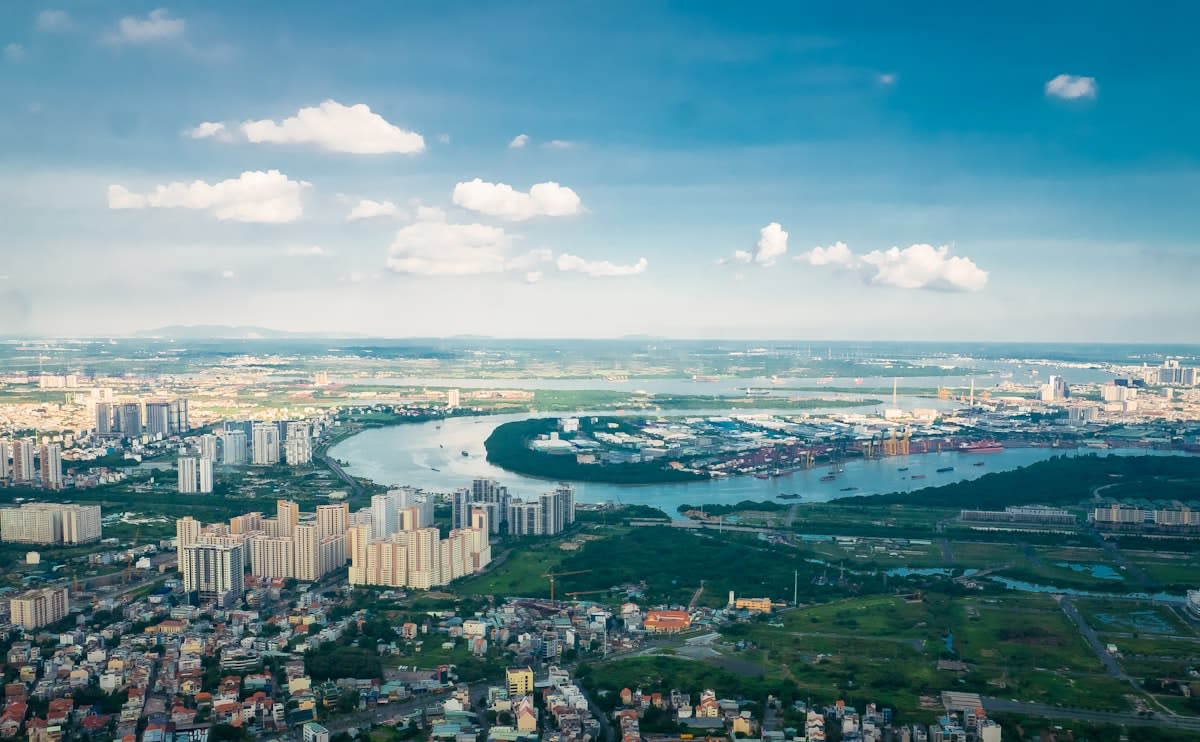
The scale of this commitment is immense. China Jinmao acquired 15 secondary development projects in these first- and second-tier cities with total land costs reaching 26 billion yuan, or approximately $3.9 billion (Source: BigGo Finance, 2026). By focusing on cities like Beijing and Shanghai—which alone contributed 21.4% and 19.0% of total sales respectively—the firm is betting that the only safe place to be is in the most controlled environments (Source: BigGo Finance, 2026). The 'quiet' here is not the absence of noise, but the absence of risk.
| Metric | Value | Source |
|---|---|---|
| Tier-1 & Tier-2 City Sales Concentration | 96% | BigGo Finance, 2026 |
| Total Land Costs for 15 Projects | 26 Billion Yuan (~$3.9B) | BigGo Finance, 2026 |
| Beijing Sales Contribution | 21.4% | BigGo Finance, 2026 |
| Shanghai Sales Contribution | 19.0% | BigGo Finance, 2026 |
Is this sustainable? Practitioners in the field are currently debating the tipping point of 'concentration risk.' While the data shows a flight to quality, the danger lies in the fragility of the hub. If the 'fortress' is breached—by political shift or economic shock—there is no secondary perimeter. Yet, for the current global elite, the alternative—spreading assets across unstable mid-tier regions—is an unacceptable gamble.
The European Malaise and the Push for Invisibility
While Asia builds fortresses, Europe is grappling with a pervasive sense of decline. The rise of far-right movements, such as the Alternative for Germany (AfD) in Saxony-Anhalt, signals a shift in the geopolitical landscape (Source: Bozeman Daily Chronicle, 2026). The possibility of the first far-right state governor in post-WWII Germany is more than a political headline; it is a signal to the mobile elite that the traditional centers of European power are entering a period of high volatility.
"...widespread moroseness."— Friedrich Merz, Chancellor of Germany
This 'moroseness' acts as a centrifugal force. When the national mood sours and political polarization peaks, the elite seek 'Invisible Enclaves'—spaces where they can operate beyond the reach of populist volatility. This is a movement away from the visible symbols of power toward a more discreet, fragmented geography of residence and investment. They are trading the prestige of the capital city for the security of the periphery.
We see a similar pattern emerging in North American urban centers. The report of a property crime wave in St. Louis, where over 30 churches were targeted, illustrates a breakdown in the perceived sanctity of institutional spaces (Source: FirstAlert4, 2026). When the most stable community pillars are no longer safe, the incentive to migrate to 'quiet' zones becomes an imperative rather than a luxury.
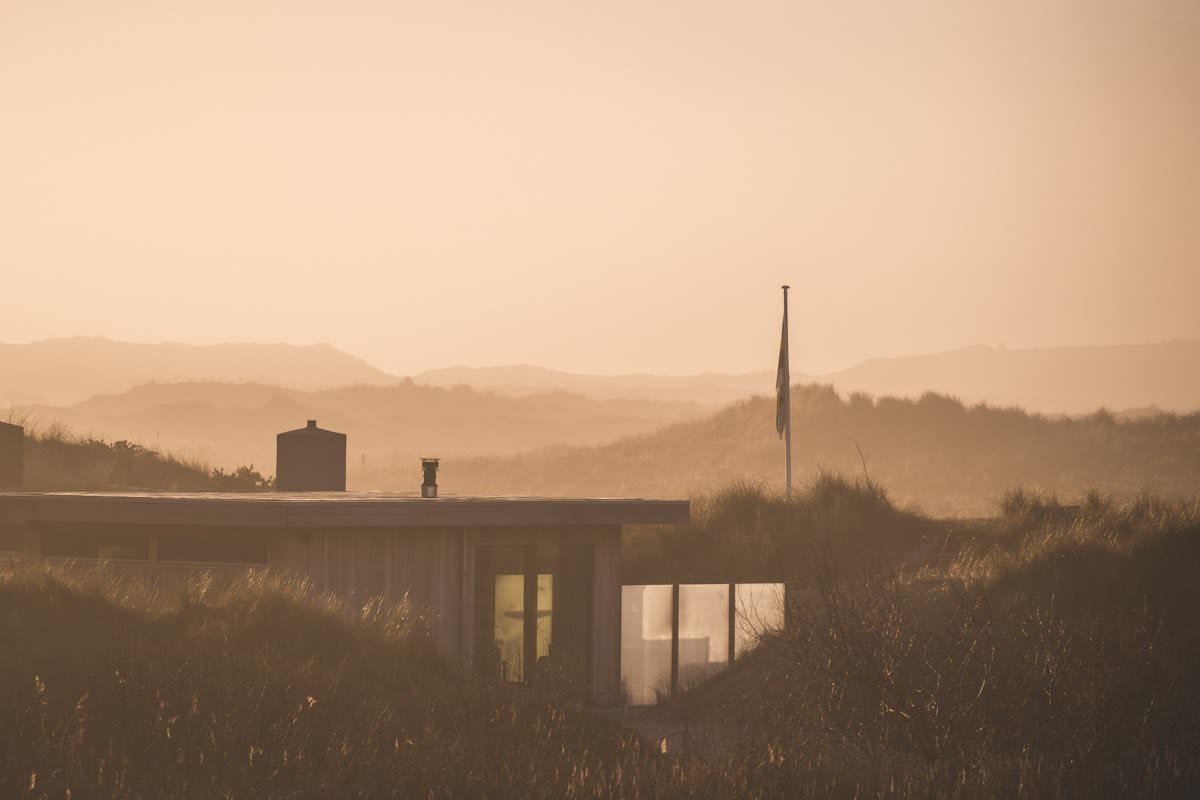
This is not a simple flight to the countryside. It is a strategic relocation to enclaves that offer high-tech security and low-visibility profiles. The elite are not looking for 'nature'; they are looking for 'control.' They want the amenities of the city without the exposure to its dysfunction.
The Financial Infrastructure of the Exodus
The movement of people is always preceded by the movement of capital. We are seeing a broader migration of assets into tangible, resilient sectors. For instance, Deutsche Bank AG's $1.50 million investment in Simpson Manufacturing Company indicates a pivot toward the physical infrastructure of building and manufacturing (Source: MarketBeat, 2026). This reflects a broader trend of betting on the 'hardware' of existence—the materials used to build these very enclaves.
Furthermore, there is a whispered discourse regarding a massive shift in global wealth, with some reports pointing toward a migration of assets on a scale as large as $382 trillion (Source: MarketBeat, 2026). While the exact nature of this migration is often obscured by the vehicles used—private equity, offshore trusts, and synthetic assets—the direction is clear: away from public markets and toward private, invisible holdings.
From a practitioner's perspective, the real debate in wealth management isn't about 'where to invest,' but 'how to disappear.' The friction occurs when trying to balance the need for global connectivity with the desire for local invisibility. Clients are asking for residences that are technologically 'smart' but geographically 'dumb'—invisible to the casual observer but fully integrated into the global financial grid. The goal is to be present everywhere in influence, but nowhere in visibility.
This shift is also reflected in consumer patterns. Even in the leisure sector, we see a move toward highly franchised, predictable experiences that target younger, affluent demographics, as seen in the expanding bubble tea market (Source: Fortune Business Insights, 2026). This preference for the predictable and the franchised is a micro-reflection of the macro-desire for stability in an unpredictable world.
Concentration of Sales in High-Tier Cities (China Jinmao)
Executive Insight
+18.4%
YTD Growth
Ultimately, the geography of quiet is a map of risk avoidance. Whether it is the 96% concentration of sales in China's top cities or the flight from 'morose' European capitals, the elite are redesigning their world. They are trading the chaotic energy of the mega-city for the curated silence of the enclave. The city is no longer the destination; it is merely the utility.
Fact-Check & Accuracy Note
The claims regarding China Jinmao's sales concentration (96%) and land costs (26 billion yuan) are sourced from BigGo Finance (2026). Political observations regarding Germany are sourced from the Bozeman Daily Chronicle (2026). Crime data for St. Louis is sourced from FirstAlert4 (2026). The $382 trillion migration figure is cited from a MarketBeat (2026) report. Note: The $382 trillion figure appears in a promotional context and should be treated as a projection of total asset movement rather than a confirmed single-fund migration.