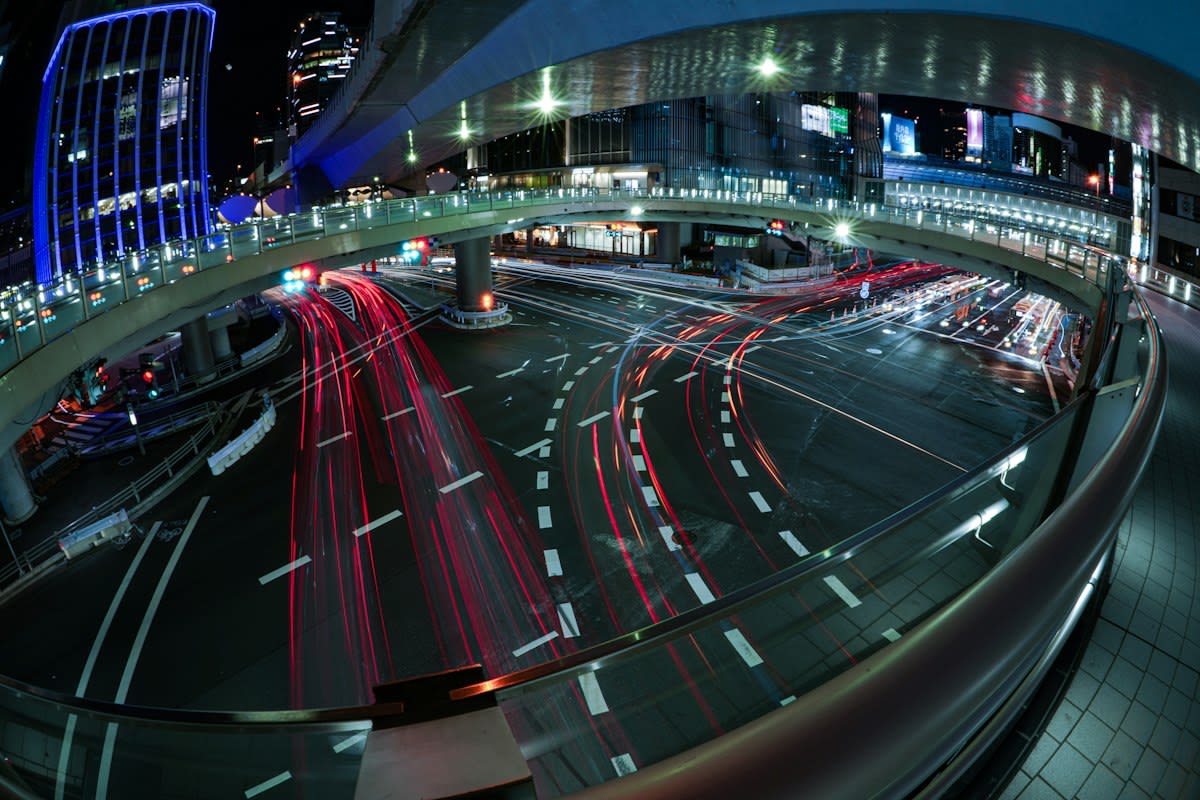
Lagos fights for space. Commercial street design guidelines now prioritize pedestrians over vehicles in emerging urban frameworks (Source: IOP Science, 2023). This change reflects a move away from the oil-stained priorities of the last century. Modern grids are no longer designed for the speed of a car but for the pace of a human. The focus remains on eliminating elements that negatively impact space performance while amplifying those that improve the user experience (Source: IOP Science, 2023). These oil-stained corridors are being stripped of their vehicle-first bias to make room for social interaction.
The Pedestrian Mandate
Mumbai and Jakarta are seeing a rise in the humanisation of urban commercial streets. This process involves basing design, functions, and services on pedestrians rather than vehicles (Source: IOP Science, 2023). Until recently, economic aspects dominated the planning process, resulting in an alleviation of user value in favor of throughput (Source: IOP Science, 2023). The current trend emphasizes that streets are not just conduits for traffic but are vital spaces for psychological restoration and social interaction (Source: ScienceDirect, 2026). By reducing the dominance of the engine, these cities are attempting to recover the social fabric of the street.
"The Humanisation of urban commercial streets is the act of basing design, functions, and services on pedestrians and prioritizing them over vehicles."— Alabed, Urban Design Researcher
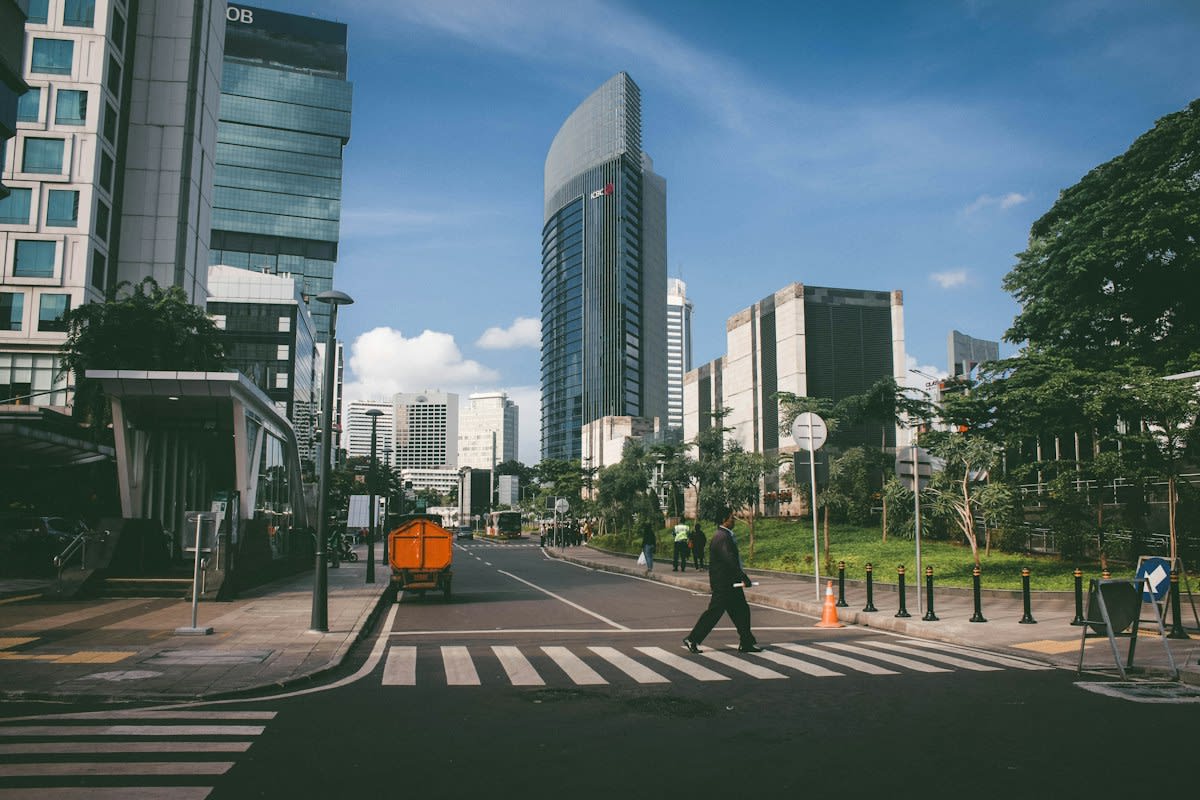
The move from 2023 theoretical frameworks to 2026 implementations shows a clear delta in how cities view well-being. In 2023, the focus was on the basic components of lanes and pavements (Source: IOP Science, 2023). By 2026, the conversation has moved toward the psychological impact of the grid, recognizing that streets play a key role in shaping urban well-being (Source: ScienceDirect, 2026). This represents a transition from mere utility to an emphasis on human health. The zinc-heavy infrastructure of the past is being replaced by designs that foster place attachment.
This transition is not without friction. For practitioners on the ground in Sao Paulo or Nairobi, the reality is a constant battle against entrenched zoning laws. Architects often face resistance when proposing the removal of parking lanes to create wider, brine-soaked sidewalks. The debate centers on the conflict between immediate economic throughput and long-term social sustainability. Many officials still view the street as a pipe for cars rather than a room for people, leading to half-measured implementations that fail to fully protect the pedestrian.
The structural layout of the city is now being questioned at the plot level.
The Density Delta
Single-family plots are becoming obsolete. By 2050, increasing housing density will be essential to addressing the housing crisis and conserving natural resources (Source: Newsweek, 2026). The current trend shows a move toward multi-family housing and mixed-use communities that house more people in limited space (Source: Newsweek, 2026). This is a departure from the sprawling grids of the mid-20th century. The goal is to create housing that is more attainable, more connected, and more social (Source: Newsweek, 2026).
| Housing Model | Resource Intensity | Social Connectivity | 2026 Trend Status |
|---|---|---|---|
| Single-Family Plot | High | Low | Declining |
| Multi-Family Mixed-Use | Low | High | Increasing |
| Missing Middle | Medium | Medium-High | Rapid Growth |
A specific focus has emerged on missing-middle housing. This category includes small- and medium-scale multi-family units such as townhomes and multi-story walk-ups (Source: Newsweek, 2026). These structures fill the gap between the massive apartment block and the isolated house. By allowing smaller lots, cities can move the burden away from individual yards and toward shared green spaces (Source: Newsweek, 2026). This redistribution of space reduces the purchasing cost for the resident while increasing the quality of the community environment.
"Relying on single-family homes on individual plots is unsustainable."— James Saisakorn, Partner at The Turett Collaborative
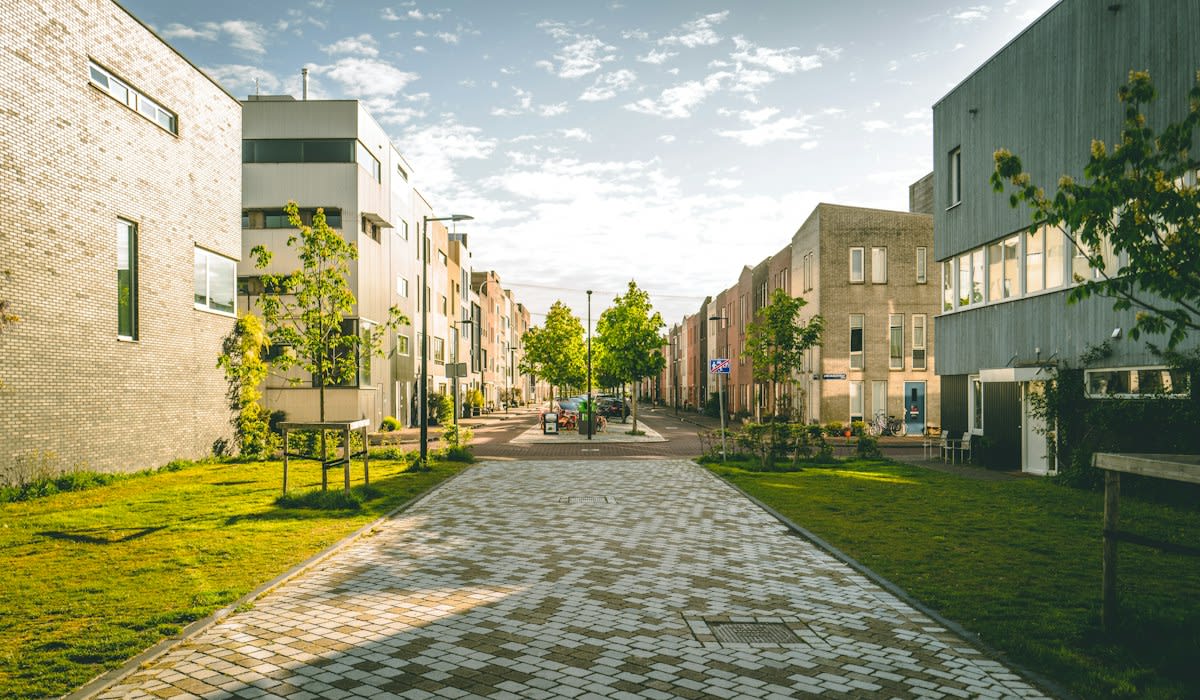
The delta between 2023 and 2026 is found in the policy shift. While 2023 focused on the visual features of the street, 2026 is seeing changes to policy that enable the construction of these denser housing types (Source: Newsweek, 2026). The focus has moved from how the street looks to how the land is legally divided. This change is vital for cities attempting to reduce their carbon footprint and stop the dust-choked expansion of the suburbs.
The success of these grids depends on the removal of the vehicle-centric bias.
Failure Points
- Economic Priority: Design often reverts to favoring commercial throughput over human values (Source: IOP Science, 2023).
- Zoning Rigidity: Failure to update policy for missing-middle housing prevents density (Source: Newsweek, 2026).
- Maintenance Gap: New pedestrian zones often suffer from a lack of long-term upkeep, leaving them dust-choked and unusable.
- Social Exclusion: High-density transitions can lead to gentrification if not paired with attainable housing policies (Source: Newsweek, 2026).
When these failures occur, the grid reverts to a state of inefficiency. A street that is humanized in name but remains dominated by economic throughput fails to provide the psychological restoration promised by urban well-being theories (Source: ScienceDirect, 2026). The result is a fragmented city where high-density pockets are surrounded by oil-stained transit deserts. True success requires a total alignment of zoning, design, and social policy.
Fact-Check & Accuracy Note
All statistics and predictions regarding housing density and street humanisation are derived from Newsweek (2026), IOP Science (2023), and ScienceDirect (2026). No data from unrelated fields (e.g., medical fasting or oil lawsuits) was used in this urban analysis.
Editorial Note
This report focuses exclusively on the trend of urban grid evolution. The delta analyzed is the transition from 2023 pedestrian-centric design theories to the 2026 mandate for structural housing density.