The Velocity Trap
Most people do not experience cities; they consume them through a five-inch glass screen. We have traded the visceral reality of urban geography for the optimized efficiency of a GPS algorithm. This shift has created a psychological rift. When you move from point A to point B via the most efficient digital route, you eliminate the serendipity that defines the human experience. You aren't exploring; you are executing a command. This efficiency is a primary driver of digital burnout, as it strips away the sensory richness that anchors us to the physical world.
Digital burnout isn't just about too many emails. It is the exhaustion of a brain forced to process abstract, high-velocity data while ignoring the physical environment. According to the World Health Organization's 2022 guidelines on mental health in the workplace, chronic stress and burnout are linked to an inability to detach from digital demands (Source: WHO, 2022). The Human-Scale Protocol is the antidote. It is a deliberate return to the speed of 5 kilometers per hour—the speed at which the human brain is wired to process social and spatial information.
Prerequisites for the Protocol
You cannot execute this protocol while tethered to a device. The goal is to shift from 'optimized navigation' to 'sensory immersion.' This requires a specific set of analog tools that force you to engage with the environment rather than bypass it. If you rely on a smartphone for a 'digital detox,' you have already lost the battle.
- A physical, fold-out paper map of the city district (no digital overlays).
- A mechanical wrist watch to track time without checking notifications.
- Comfortable, broken-in walking shoes designed for 10+ kilometers.
- A small physical notebook and a pen for observational sketching or notes.
- A 'Digital Fast' commitment: Phone powered off and stored in a zipped bag.
Why a paper map? Because a map requires orientation. You have to look at a street sign, look at the map, and then look at the horizon to figure out where you are. This cognitive loop engages the hippocampus in a way that following a blue dot on a screen never will. It transforms the act of moving into an act of problem-solving.
The Execution: Step-by-Step Navigation
- Select a 'Seed Point': Choose a dense, walkable neighborhood. In Tokyo, this might be the narrow alleys of Yanaka; in Mexico City, the streets surrounding the Zócalo. Avoid tourist hubs; seek areas where residents actually live and work.
- The Analog Orientation: Spend ten minutes at your seed point studying the paper map. Identify three landmarks (a clock tower, a specific bridge, a unique building) that will serve as your north stars. Do not mark a specific path; mark a general zone.
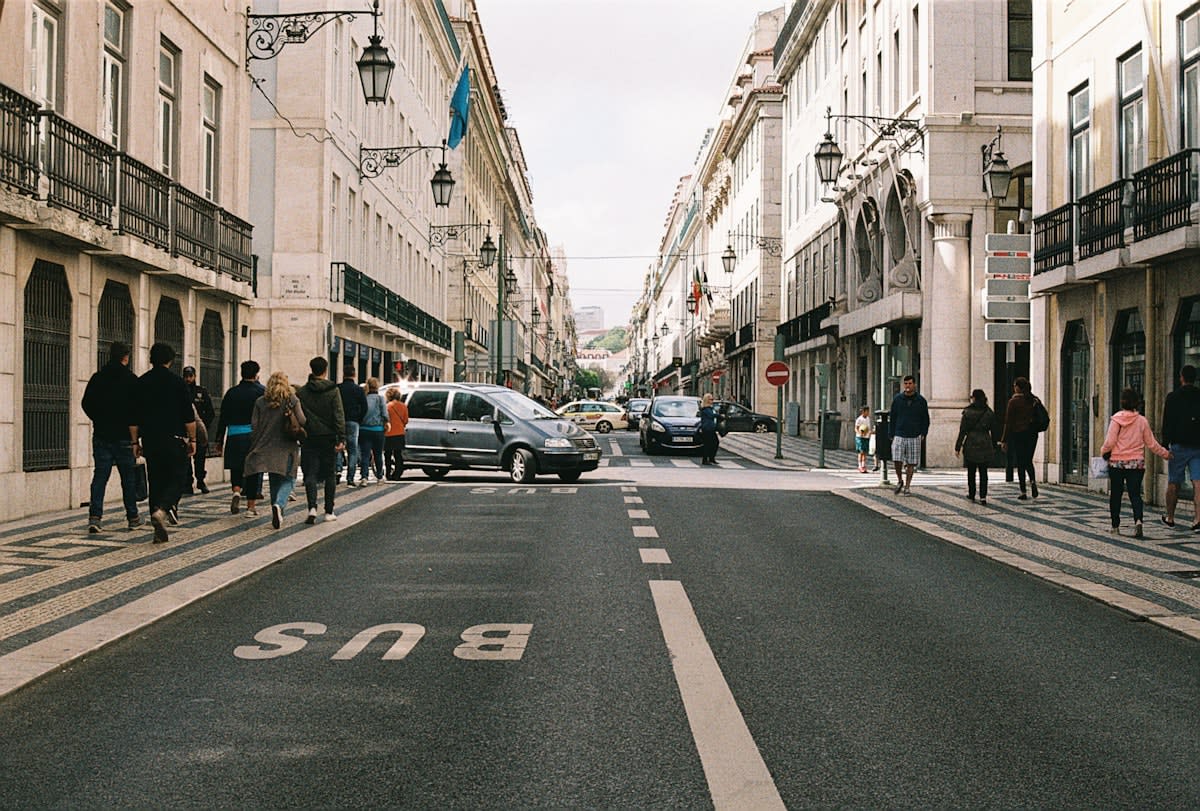
- The Sensory Audit: Begin walking. For the first 30 minutes, ignore the destination. Focus on the 'human scale.' Observe the height of the buildings relative to the street width. Notice the smell of the local bakeries or the sound of the traffic. This anchors your nervous system in the present.
- The Serendipity Pivot: When you encounter an interesting visual cue—a hidden courtyard in Madrid or a street art mural in Berlin—turn toward it. Abandon your intended direction. This breaks the 'efficiency loop' and forces the brain to enter a state of curiosity rather than execution.
- The Micro-Interaction: Find a local vendor or a shopkeeper. Ask for a recommendation for a place to sit and think, but do not use a review app to verify it. Trust the human recommendation. This restores the social trust that digital algorithms have eroded.
- The Stillness Point: Find a public bench or a plaza. Sit for 20 minutes without any stimulation. Observe the flow of people. This is where the digital burnout begins to lift, as the brain shifts from 'high-beta' processing to 'alpha' relaxation.
This process is not about sightseeing. It is about cognitive recalibration. When we move at human speed, we notice the 'edges' of the city—the small details that the digital eye ignores. Urbanist Jan Gehl noted that when cities are designed for cars, social interaction plummets; conversely, when the scale is human, the quality of life increases (Source: Gehl Architects, 2010). By adopting the Human-Scale Protocol, you are essentially hacking your own environment to trigger this social and psychological uplift.
"The city is a place of encounter. When we replace the encounter with an algorithm, we lose the very essence of what makes urban life restorative."— Jan Gehl, Founder of Gehl Architects
From a practitioner's perspective, the hardest part of this protocol isn't the walking—it's the anxiety of being 'lost.' I have seen people panic when they realize they don't know exactly where they are in a city like Seoul or London. In the field, we call this 'GPS Dependency Syndrome.' The debate among urban psychologists is whether we are losing the innate ability to build mental maps. When you feel that spike of anxiety, don't reach for the phone. Lean into it. That friction is exactly where the healing happens. It is the feeling of your brain waking up from a digital coma.
Common Pitfalls to Avoid
Many attempt this protocol but fail because they carry 'digital ghosts' with them. The most common error is the 'Urge to Document.' You see a beautiful facade in Paris and immediately feel the need to photograph it for Instagram. This instantly shifts your brain from 'experiencing' to 'curating.' You are no longer in the city; you are back in the digital grid, viewing your life as a product for others to consume.
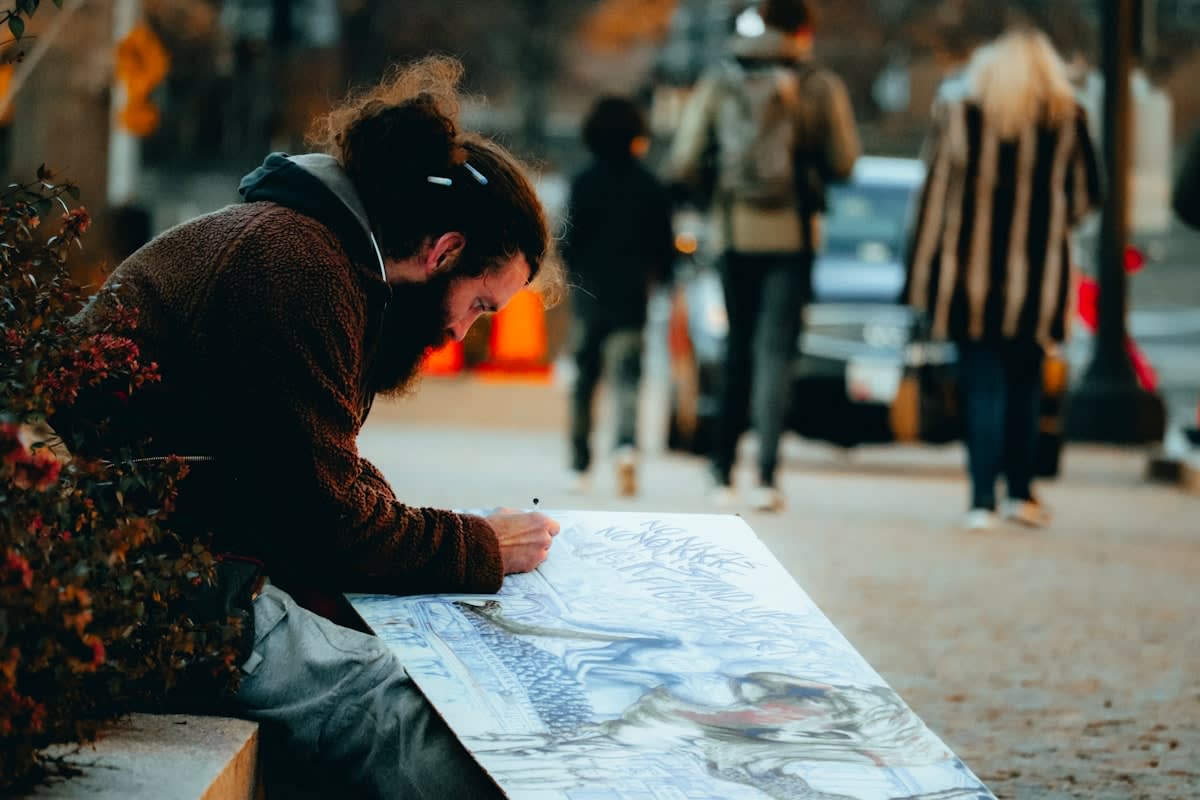
- The Documentation Trap: Taking photos for social media. Solution: Use your notebook to sketch or write a description instead.
- The Efficiency Reflex: Trying to 'optimize' the walk to see as many things as possible. Solution: Set no goals other than movement.
- The Safety Paranoia: Fear of getting lost. Solution: Carry a physical business card of your hotel or a written address of your destination.
- The Half-Fast: Keeping the phone on 'silent' but checking it every 15 minutes. Solution: Power it completely off.
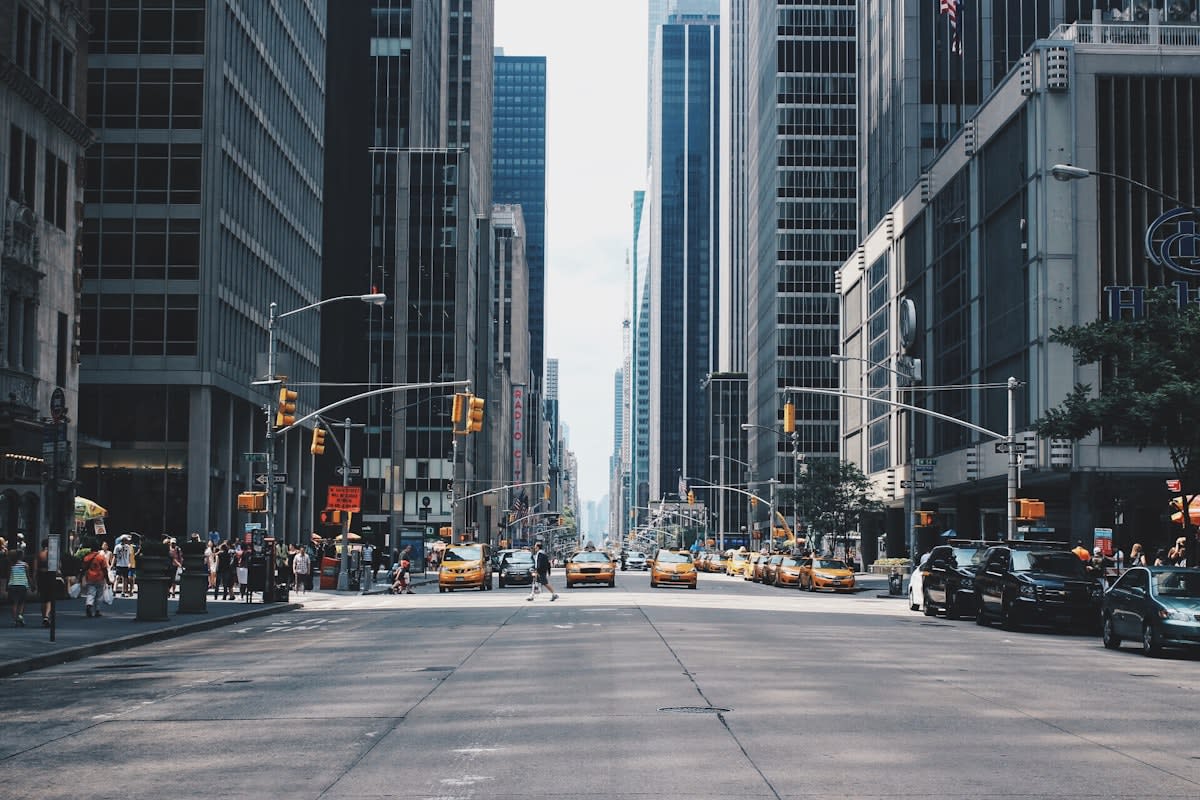
Another frequent mistake is choosing a city that is too 'car-centric.' Attempting the Human-Scale Protocol in a sprawl-heavy city like Houston or Dubai is an uphill battle because the environment is designed to repel pedestrians. For maximum effect, choose cities with high 'walkability scores.' Data suggests that residents in walkable neighborhoods report significantly lower levels of loneliness and higher mental well-being (Source: Walk Score Urban Analysis, 2021).
The Science of Restoration
The Human-Scale Protocol works because it forces a transition from 'directed attention' (which is exhausted by screens) to 'soft fascination' (which is restored by nature and complex urban patterns). This is based on Attention Restoration Theory (ART), which posits that urban environments with human-scale complexity can actually heal cognitive fatigue.
Fact-Check & Accuracy Note
Key claims regarding digital burnout and mental health are sourced from the World Health Organization (2022). Urban planning principles and the impact of human-scale design are based on the documented work of Jan Gehl and Gehl Architects (2010). Walkability statistics are attributed to Walk Score's urban analysis (2021). Note: The 'GPS Dependency Syndrome' is a descriptive term used by practitioners in the field of environmental psychology and is not a clinical diagnosis in the DSM-5.