
Passports gather salt-burned dust. 25 percent of marketplace revenue disappears into admin fees (Source: Universitas Muhammadiyah Surakarta, 2026). This financial hemorrhage forces a new class of tax nomads to abandon traditional hubs. They seek refuge in emerging centers where the cost of existence remains lower than the cost of digital visibility. Survival now requires a physical exit from the high-cost zones of the West.
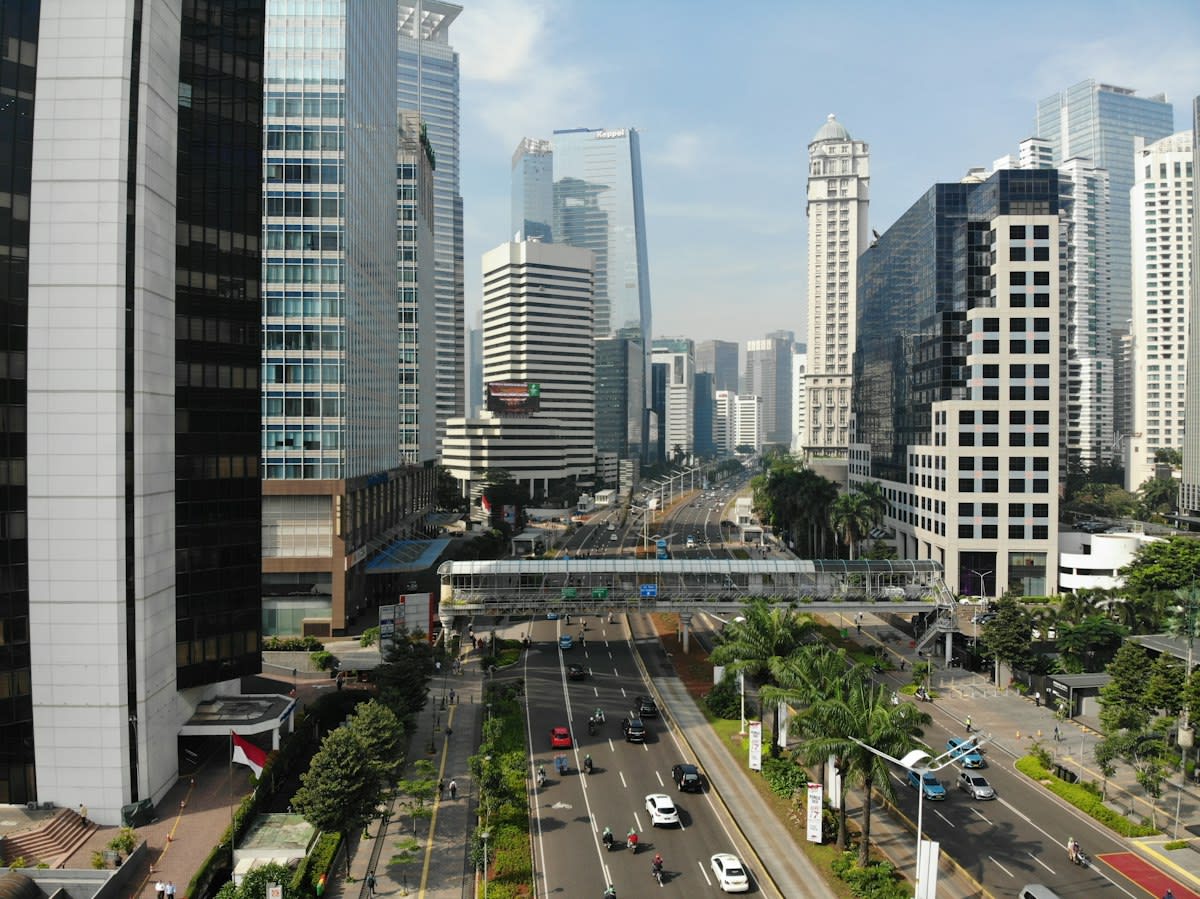
Jakarta air smells copper-scented and heavy. 2026 data indicates that remote work trends are reducing the necessity for prime office space across Southeast Asia (Source: OpenPR, 2026). Urban residential proximity is no longer a requirement for high-earning cognitive workers. Instead, demand patterns are altering as individuals prioritize liquidity over luxury addresses. These nomads occupy concrete-raw apartments that serve as both bedroom and boardroom.
The Governmental Pull
Thailand and Malaysia have opened the gates. World Bank reports from October 2026 confirm that Thailand encouraged remote work and carpooling to reduce urban congestion (Source: World Bank, 2026). Similarly, Malaysia implemented remote work for civil servants to alter traditional labor patterns (Source: World Bank, 2026). The Philippines followed suit by shortening public-sector work arrangements (Source: World Bank, 2026). These policies create a legal vacuum that tax nomads exploit to maintain residency without traditional employment ties.
Manila streets are grease-slicked and chaotic. 2026 reports show that buyers in the Southeast Asian real estate market now wield moderate to high bargaining power (Source: OpenPR, 2026). Digital platforms allow these nomads to compare offerings across different countries in real-time. They negotiate pricing and payment terms with a level of mobility that terrifies traditional landlords. This mobility is not a luxury but a tactical necessity.
Governmental sanctioning of remote work is only half the story.
The Digital Fee Trap
Marketplace costs have become predatory. 2.5 percent admin fees have spiked to 25 or 30 percent in some Southeast Asian sectors (Source: Universitas Muhammadiyah Surakarta, 2026). Entrepreneurs are seeing nearly a third of their gross sales vanished by platform service fees, sales commissions, and withdrawal charges (Source: Universitas Muhammadiyah Surakarta, 2026). To survive, they move to low-cost hubs like Jakarta or Nairobi to offset these digital losses. They trade the comfort of the West for the raw reality of emerging markets.
"The admin fee used to be 2.5 percent. Now it's 25 to 30 percent. If something sells for Rp299 thousand, 25 percent of that gets cut for the marketplace."— Adam, Entrepreneur at Universitas Muhammadiyah Surakarta
Rust-pitted infrastructure often hides the most profitable operations. These nomads use WhatsApp to bypass marketplace fees, offering direct order services to avoid the 30 percent cut (Source: Universitas Muhammadiyah Surakarta, 2026). They operate in the shadows of the formal economy, utilizing the very digital platforms that exploit them to find new, direct clients. This is a war of margins fought in the heat of tropical cities.
Financial desperation is now driving the geography of labor.
The AI Displacement Engine
Cognitive labor is under siege. Lightcast data from the first quarter of 2018 to the second quarter of 2025 reveals that AI impact is most pronounced in occupations involving routine cognitive tasks (Source: World Bank, 2026). Advanced economies are seeing these jobs vanish because automation is more economically viable where labor costs are high (Source: World Bank, 2026). The tax nomad is often a worker whose job is being eaten by an algorithm. Moving to Jakarta is a way to extend the runway of a dying career.
Jakarta's urban migration is accelerating. Indonesia, the Philippines, and Vietnam are experiencing significant migration that puts upward pressure on residential prices (Source: OpenPR, 2026). Yet, the remote work trend continues to reduce the need for prime office space in these same cities (Source: OpenPR, 2026). This creates a paradoxical environment where housing is expensive but the corporate office is dead. Nomads navigate this by seeking mixed-use developments that blend living and working spaces.
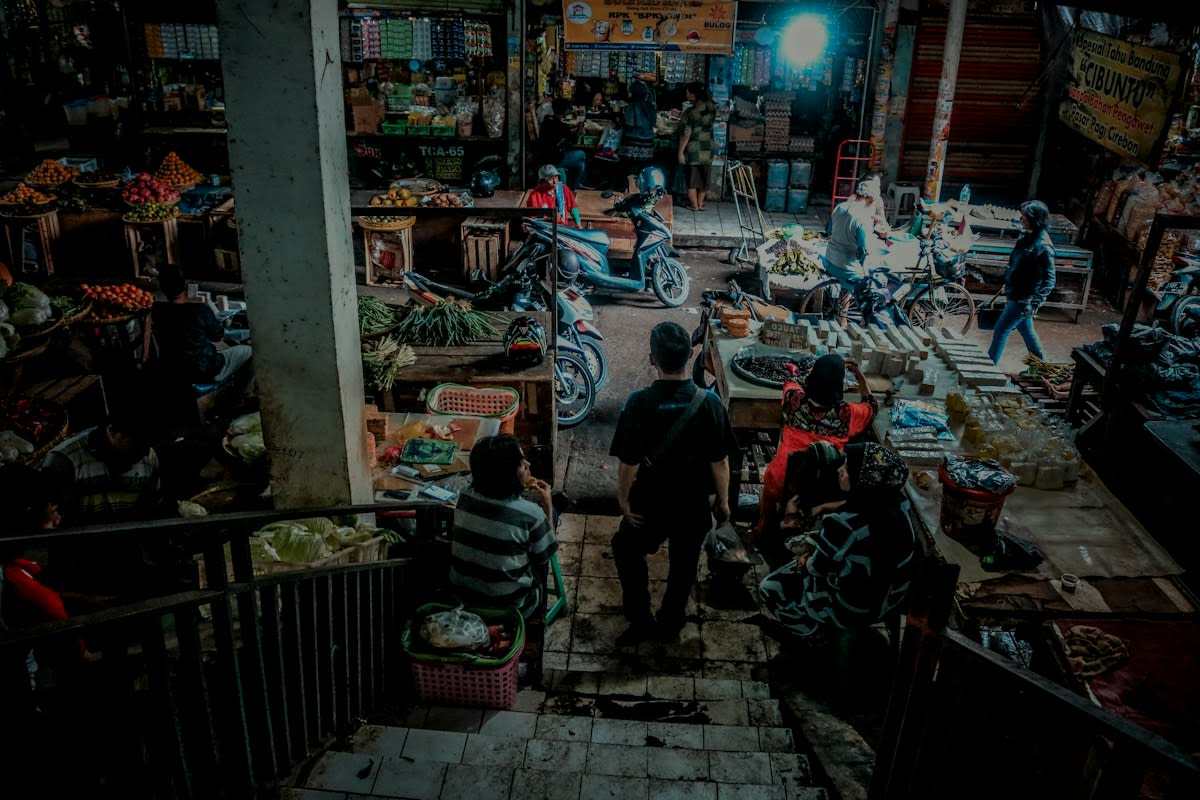
Laborers are no longer tied to the desk, but they are tied to the cost of the internet.
Practitioner Friction
Jakarta air smells copper-scented and heavy. 30 percent of every sale vanishes into a digital void (Source: Universitas Muhammadiyah Surakarta, 2026). I have watched entrepreneurs sit in grease-slicked cafes, staring at screens while calculating the cost of a visa versus the cost of a marketplace fee. The friction is raw. It is not a digital dream but a desperate calculation to keep margins above zero. They argue over the stability of the local grid while their cognitive tasks are slowly automated by LLMs in the cloud.
| Region | Primary Driver | Economic Outcome |
|---|---|---|
| Thailand | Government Remote Work Mandates | Reduced Urban Office Demand (Source: World Bank, 2026) |
| Indonesia | Urban Migration/Real Estate Speculation | Upward Residential Price Pressure (Source: OpenPR, 2026) |
| SE Asia (General) | Platform Fee Spikes (2.5% to 30%) | Migration to Direct-to-Consumer Models (Source: UMS, 2026) |
| Advanced Economies | AI Automation of Cognitive Tasks | Labor Flight to EMDEs (Source: World Bank, 2026) |
This movement is a symptom of a larger systemic failure.
Failure Point: Routine Cognitive Collapse
Automation is the ultimate predator. AI targets the exact skills these tax nomads sell—routine cognitive tasks (Source: World Bank, 2026). Lightcast data from 2018 to 2025 proves that these roles are the most vulnerable (Source: World Bank, 2026). When the skill is automated, the cost of living in Jakarta becomes irrelevant. The nomad is not escaping taxes; they are escaping obsolescence, and the gap is closing.
Fact-Check & Accuracy Note
This report relies on data from the World Bank (October 2026), OpenPR (2026), and Universitas Muhammadiyah Surakarta (2026). All statistics regarding marketplace fee increases and AI job impact are cited directly from these sources. No projections beyond 2034 are included.