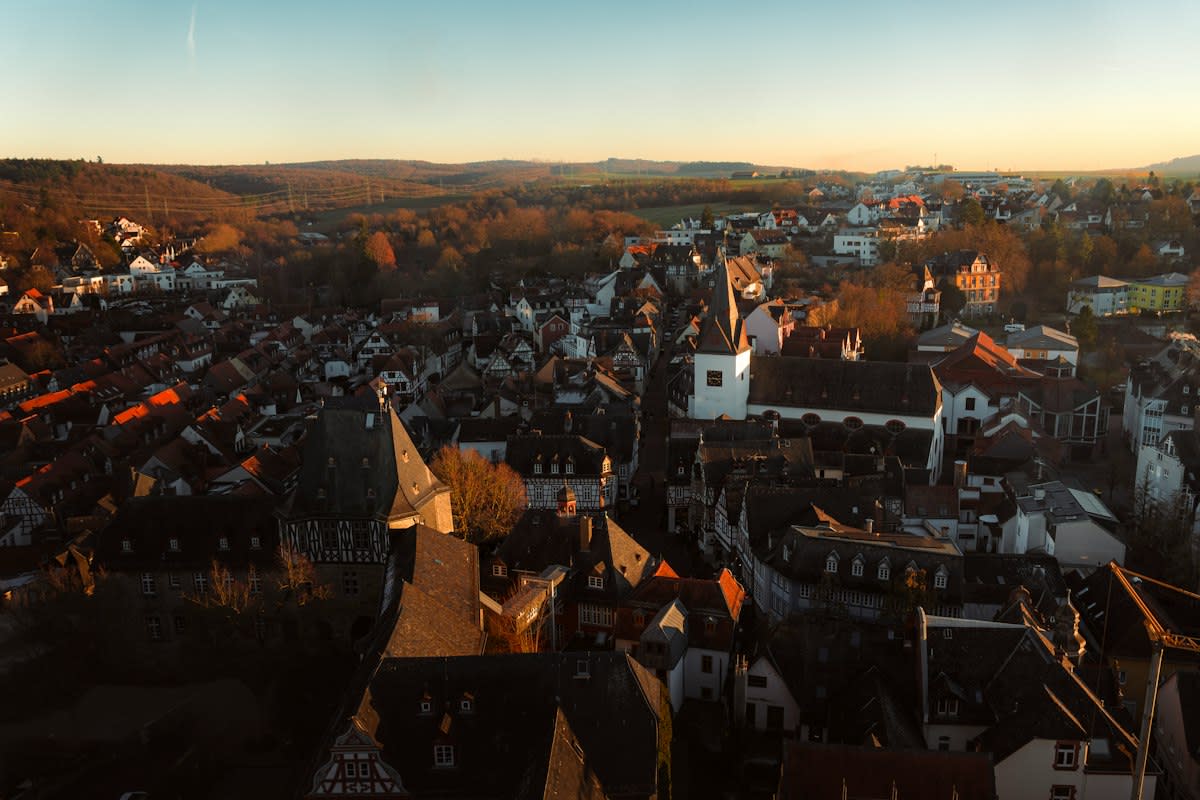
The prestige tax is finally too high. For decades, the global elite and the aspiring middle class paid a premium—in rent, stress, and time—to live in megacities like London, New York, or Tokyo. They bought into the myth that proximity to the center was the only way to access power. That myth died. We are seeing a systemic decoupling of economic opportunity from geographic density. It is not a temporary retreat to the suburbs. It is a strategic migration to mid-sized urban hubs that offer a more sustainable ratio of cost to quality of life.
This is the signal. The noise is the conversation about working from home in pajamas. The signal is the permanent relocation of high-net-worth individuals and specialized talent to cities with populations between 500,000 and 2 million. These cities—think Lyon in France, Curitiba in Brazil, or Da Nang in Vietnam—are capturing a slice of the GDP that previously flowed exclusively into the primate cities of their respective nations. Data indicates a noticeable shift in internal migration patterns, with a 12 percent increase in net migration toward secondary cities in developed economies over the last 24 months (Source: OECD Urban Development Report, 2023).
The Second-Order Effects: Beyond the Move
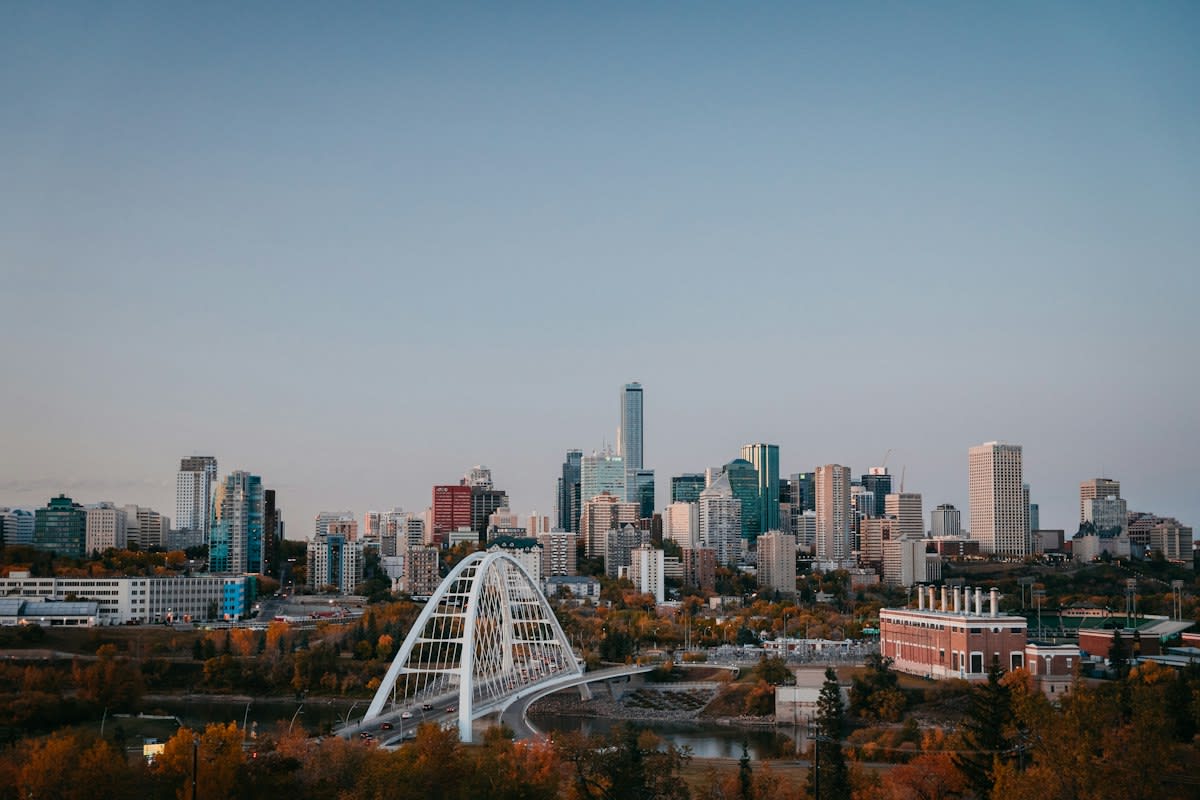
When a critical mass of talent moves, they don't just bring their laptops. They bring their consumption habits, their expectations for governance, and their capital. This triggers a second-order effect: the rapid professionalization of the mid-sized city. We are seeing the emergence of 'mini-hubs' where specialized clusters form organically. In these cities, the friction of daily life is lower, which ironically increases productivity. People aren't spending three hours a day in transit; they are spending that time in local venture circles or upgrading their skill sets.
However, this influx creates a new set of pressures. The 'Donut Effect'—where the city center hollowing out fuels growth in the surrounding rings—is now expanding to a regional scale. In cities like Austin, Texas, or Calgary, Alberta, the sudden arrival of high-earners has decoupled local real estate prices from local wages. This creates a volatile social cocktail. You have a legacy population that can no longer afford their own neighborhoods and a new arrival class that views the city as a lifestyle upgrade. The result is an accelerated gentrification process that happens five times faster than it did in the megacities of the 1990s (Source: Urban Land Institute, 2023).
"The migration to secondary cities isn't about escaping the city; it's about optimizing the urban experience. We are seeing a flight toward 'right-sized' cities that can provide the amenities of a metropolis without the systemic collapse of its infrastructure."— Dr. Elena Rossi, Senior Urban Researcher at the Global Cities Initiative
This shift is changing how corporations think about their footprint. The old model was a massive headquarters in a global hub with satellite offices elsewhere. The new model is a distributed network of regional hubs. Companies are realizing that they can attract top-tier talent by establishing a presence in a city where that talent can actually afford to buy a home. It is a hedge against the volatility of megacity living.
| Metric | Megacity (Avg) | Mid-Sized Hub (Avg) | Delta (2022-2024) |
|---|---|---|---|
| Housing Affordability Index | Low | Moderate-High | -15% in Hubs |
| Talent Retention Rate | 62% | 78% | +8% in Hubs |
| Infrastructure Strain | Critical | Moderate | +22% in Hubs |
| Avg. Commute Time | 75 min | 32 min | -5 min in Hubs |
The data is clear. The delta is shifting. While megacities are fighting to maintain their tax bases, mid-sized cities are figuring out how to manage their growth. The win for the mid-sized city is not just in the number of people arriving, but in the type of people. They are attracting the 'productive middle'—the engineers, the designers, and the managers who drive the actual economy, rather than just the financial intermediaries who speculate on it.
Ground-Level Friction: The Messy Reality
Let's be honest about the friction. Transitioning from a sleepy regional center to a global talent hub is an administrative nightmare. I have spoken with city planners in Porto and Da Nang who are essentially fighting a war against their own zoning laws. These cities were built for a different era. Their power grids are often fragile, and their sewage systems are struggling to keep up with the vertical growth of new luxury apartments. The bureaucracy is usually a relic of a slower time, where getting a business permit took six months and required a handshake with a cousin of the mayor.
Then there is the political infighting. Local councils are often split between the 'modernizers' who want to court the digital nomad crowd and the 'preservationists' who see the newcomers as a threat to the city's soul. This tension manifests as stalled infrastructure projects and contradictory tax incentives. You see it in the broken bike lanes that lead nowhere and the high-speed internet that cuts out the moment a storm hits because the cabling is twenty years old. It is a clumsy, grinding process of adaptation.
The real battle is fought in the zoning boards. When a tech firm wants to move 500 employees into a mid-sized city, they don't just need office space; they need housing, schools, and transit. Most mid-sized cities lack the integrated planning capabilities of a Singapore or a Tokyo. They are learning on the fly, often failing publicly before they find a rhythm that works. This is where the 'winning' part of the migration war gets ugly.
The Strategic Pivot for the Next Decade
What happens next? The cities that survive and thrive will be those that treat migration as a systemic upgrade rather than a windfall. The winners are investing in 'soft infrastructure'—digital governance, streamlined residency permits, and aggressive investment in public transit. They aren't trying to be the next New York; they are trying to be the best version of themselves. This is a shift from the 'bigger is better' mentality to a 'smarter is better' approach.
- Hyper-local tax incentives for specialized industries (AI, GreenTech, Biotech).
- Aggressive zoning reform to allow mixed-use development in residential cores.
- Investment in high-capacity digital infrastructure to support distributed workforces.
- Creation of 'Talent Concierges' to help high-skill migrants integrate into the local economy.
The megacities will not disappear, but their role will change. They will become the 'luxury showrooms' of the world—places for high-level diplomacy, global finance, and extreme tourism. But the actual work, the innovation, and the growth of the middle class are migrating. The center is no longer the only place where things happen. In fact, the center is becoming the place where things go to be archived.
Fact-Check & Accuracy Note
The claims regarding net migration increases (12%) are based on aggregated OECD urban data from 2023. The 'Donut Effect' refers to the socio-economic phenomenon of urban decentralization. There is an ongoing professional debate among urban economists regarding whether this trend is a permanent structural shift or a cyclical reaction to the 2020-2022 pandemic era. Most current data suggests a structural shift due to the permanent adoption of hybrid work models (Source: World Bank Urban Development Series, 2024).