Bengal Assembly passes Bill allowing transfer of university employees across state-run universities
Source Entity
Atri Mitra
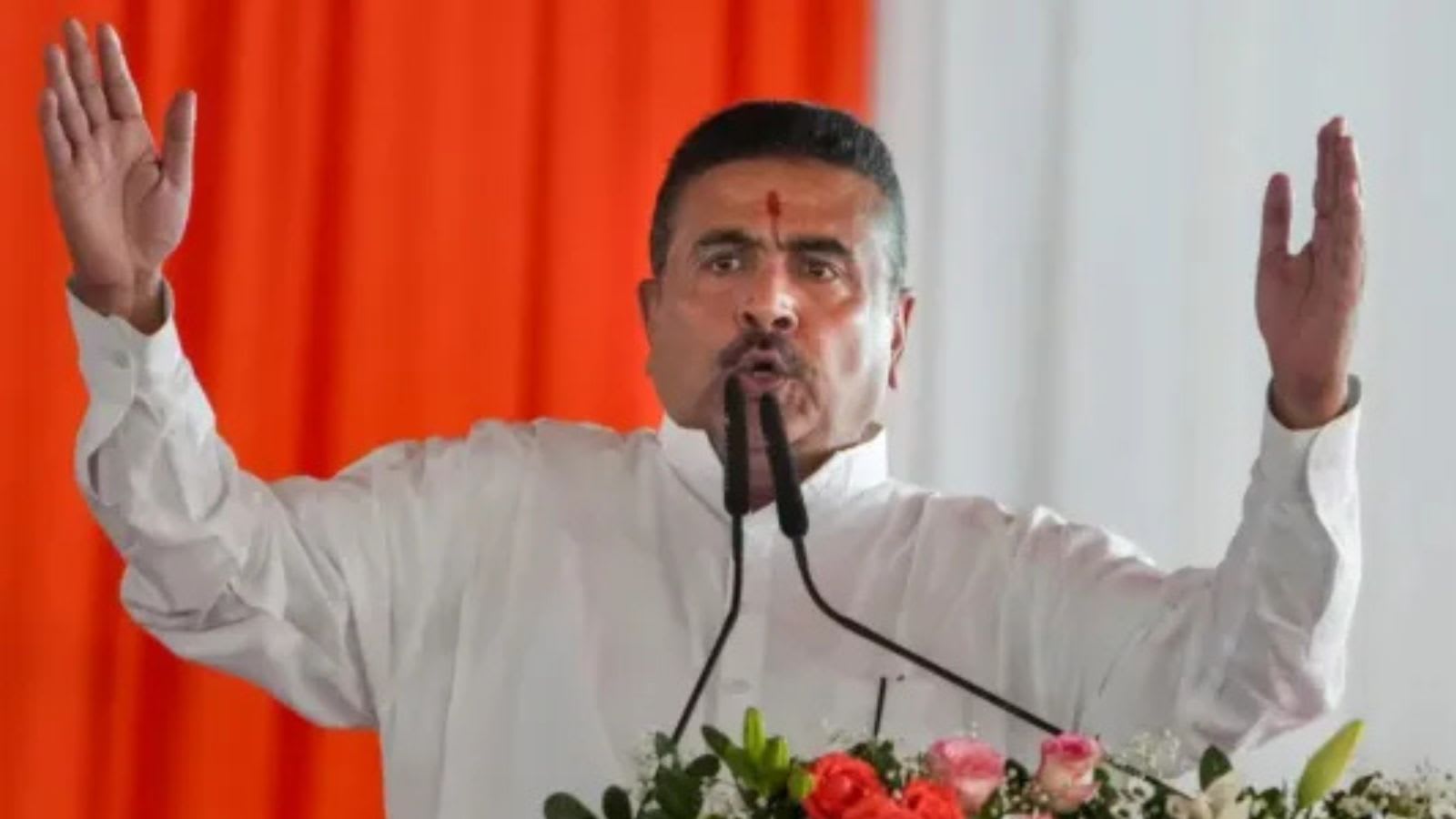
The Kerala High Court has ruled that inter-university faculty transfers require teacher consent, contrasting with a new West Bengal bill that grants the government power to transfer staff. This highlights a growing tension between individual employment rights and state-led administrative control in Indian higher education.
Legal Precedents and Administrative Shifts in Higher Education
The recent judicial intervention by the Kerala High Court regarding the transfer of assistant professors in Mahatma Gandhi University marks a significant moment in the discourse surrounding academic autonomy. Justice N. Nagaresh, while quashing the transfer of Sangeetha S., emphasized that under Section 68A of the Mahatma Gandhi University Act, 1985, inter-university transfers cannot be imposed unilaterally. This ruling reinforces the principle that professional mobility in the academic sector must be rooted in the consent of the faculty, effectively protecting individuals from forced administrative reassignments that do not account for their career stability or personal circumstances.
Contrasting Legislative Approaches
Conversely, the political landscape in West Bengal presents a starkly different trajectory. On September 10, 2026, the West Bengal Assembly passed the 'West Bengal Universities and Colleges (Administration and Regulation) (Amendment) Bill, 2026.' This legislation amends the 2017 Act to empower the state government and the Chancellor to facilitate the transfer of teaching and non-teaching staff across state-run universities. The divergence between the Kerala judiciary’s protection of consent and the West Bengal legislature’s push for centralized control illustrates a broader national debate on the balance between state accountability and the independence of higher education institutions.
The Rationale for State-Led Transfers
West Bengal Chief Minister Suvendu Adhikari has framed the new amendment as a measure to balance institutional autonomy with government accountability. By introducing Section 14A, the state government seeks the authority to redistribute human resources across universities for 'administrative reasons.' Proponents argue that such mechanisms are necessary to optimize faculty distribution across state-run institutions, ensuring that resources are allocated where they are most needed, thereby maintaining a standardized level of educational quality across the state.
Resistance and Academic Autonomy
Despite the government's stated objective of improving administrative efficiency, the move has faced significant opposition from teachers' associations and various academics. The primary concern is that such sweeping powers could undermine the autonomy of individual universities and potentially lead to the politicization of staff appointments. Critics argue that forcing employees into new environments without their consent disrupts the continuity of research and teaching, and may serve as a tool for administrative overreach rather than pedagogical improvement.
Future Implications for Indian Academia
As these two states pursue opposing paths, the legal implications for the rest of India remain profound. The Kerala High Court’s emphasis on the 'consent' requirement under existing university acts serves as a potential legal shield for faculty members, which may soon be tested against the newer, more aggressive legislative frameworks being adopted in states like West Bengal. The tension between the need for administrative flexibility and the rights of educators will likely necessitate further judicial review by higher courts to reconcile state-specific laws with the broader principles of academic freedom and labor rights.
Conclusion
Ultimately, the confrontation between the judicial insistence on consent in Kerala and the legislative push for state-directed mobility in West Bengal highlights a critical inflection point for university governance in India. Whether these transfers are viewed as necessary administrative reforms or infringements on professional freedom will continue to be a subject of intense debate, likely resulting in a complex web of litigation that will define the future of faculty mobility in the country.
Multiple Citing Sources