"Just As Sun Rises In The East...": Poll Body Chief Defends Voter Roll Revision
Source Entity
NDTV News Search Records Found 1000
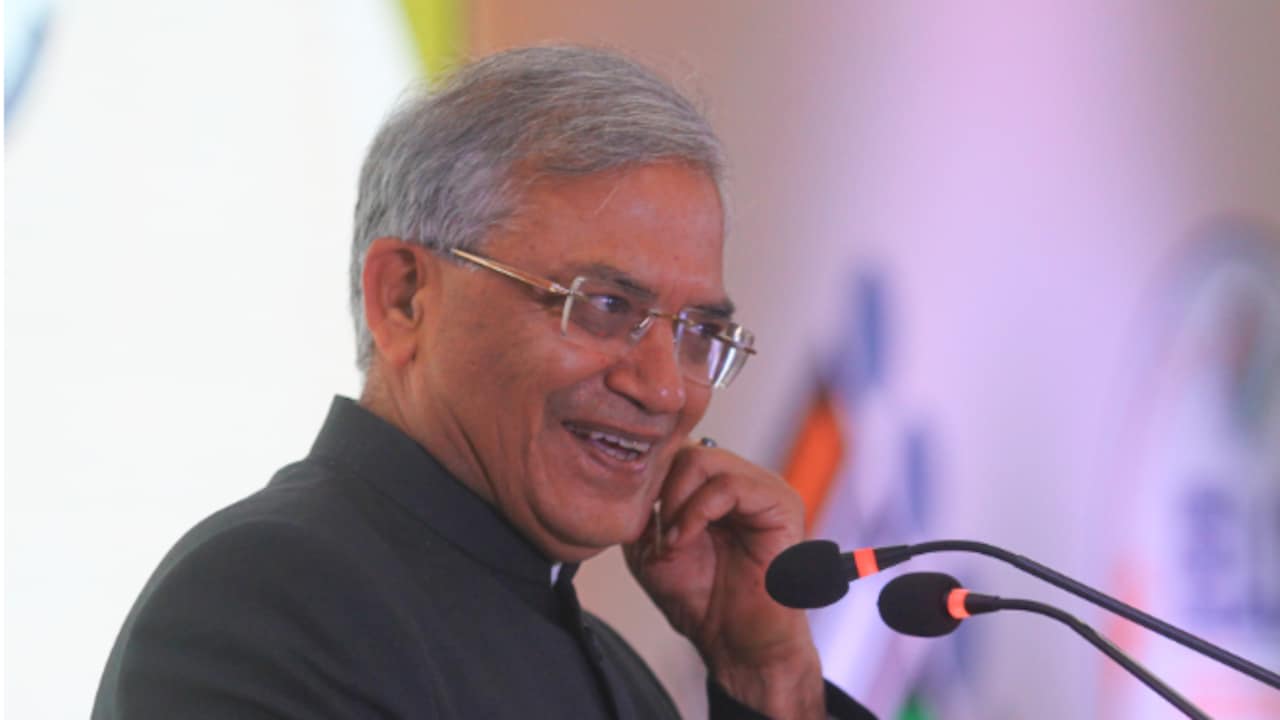
Chief Election Commissioner Gyanesh Kumar visited Gujarat to reaffirm the integrity of India's electoral process and electronic voting machines. He highlighted the success of the Special Intensive Revision (SIR) process, noting zero appeals against name deletions in 12 states.
Strengthening Electoral Integrity: Insights from CEC Gyanesh Kumar
A Commitment to Constitutional Standards
Chief Election Commissioner (CEC) Gyanesh Kumar recently undertook his inaugural visit to Gujarat in his capacity as the head of India’s election body. During his address at the Ahmedabad Management Association, Kumar emphasized that India’s electoral process is conducted with unwavering adherence to the Constitution. By reinforcing the legal framework that governs the poll body, he sought to bolster public confidence in the systemic checks and balances that define Indian democracy.
Defending the Efficacy of Voting Machines
Central to his address was the reiterated defense of the country's voting technology. In an era where digital security is a global concern, Kumar reaffirmed that Electronic Voting Machines (EVMs) utilized in India are secure and cannot be hacked. This statement serves as a critical pushback against recurring narratives that question the technical integrity of the machines, positioning the poll body as a steadfast guardian of the vote.
The Success of Special Intensive Revision (SIR)
One of the most significant metrics shared by the CEC involves the Special Intensive Revision (SIR) of voter rolls. Kumar revealed that in the 12 states where this process has been completed, there have been zero appeals filed against name deletions before district collectors. This statistic suggests a high level of administrative precision in maintaining accurate electoral rolls, ensuring that the democratic process remains clean and up-to-date.
The Multi-Tiered Appeal Mechanism
Addressing concerns regarding the potential for administrative error, Kumar outlined the robust grievance redressal mechanism currently in place. Citizens whose names are removed from the rolls have a clear legal path: they can appeal to the District Collector, followed by a second appeal to the Chief Electoral Officer (CEO) of the state, and ultimately, they retain the right to move the courts. This multi-layered approach is designed to ensure that no eligible voter is disenfranchised by oversight.
Future Trends and Administrative Preparedness
As the poll body continues its work, the expansion of the SIR to remaining states over the coming months signifies a proactive approach to election management. The CEC's focus on transparency and the legal recourse available to the public highlights a trend toward greater institutional accountability. By engaging directly with stakeholders in Ahmedabad, the election commission is signaling a commitment to maintaining rigorous standards as they prepare for future electoral cycles.
Conclusion
In summary, CEC Gyanesh Kumar’s visit to Gujarat serves as a reaffirmation of the robustness of the Indian electoral system. From the security of voting machines to the meticulous nature of voter roll revisions, the poll body is working to ensure that the process remains beyond reproach. The lack of appeals in states where the SIR is complete stands as a testament to the current administrative effectiveness in electoral roll management.
Multiple Citing Sources
Verification Required?