Voting Machines Can't Be Hacked: Poll Body Chief Gyanesh Kumar Reaffirms In Ahmedabad Speech
Source Entity
NDTV News Search Records Found 1000
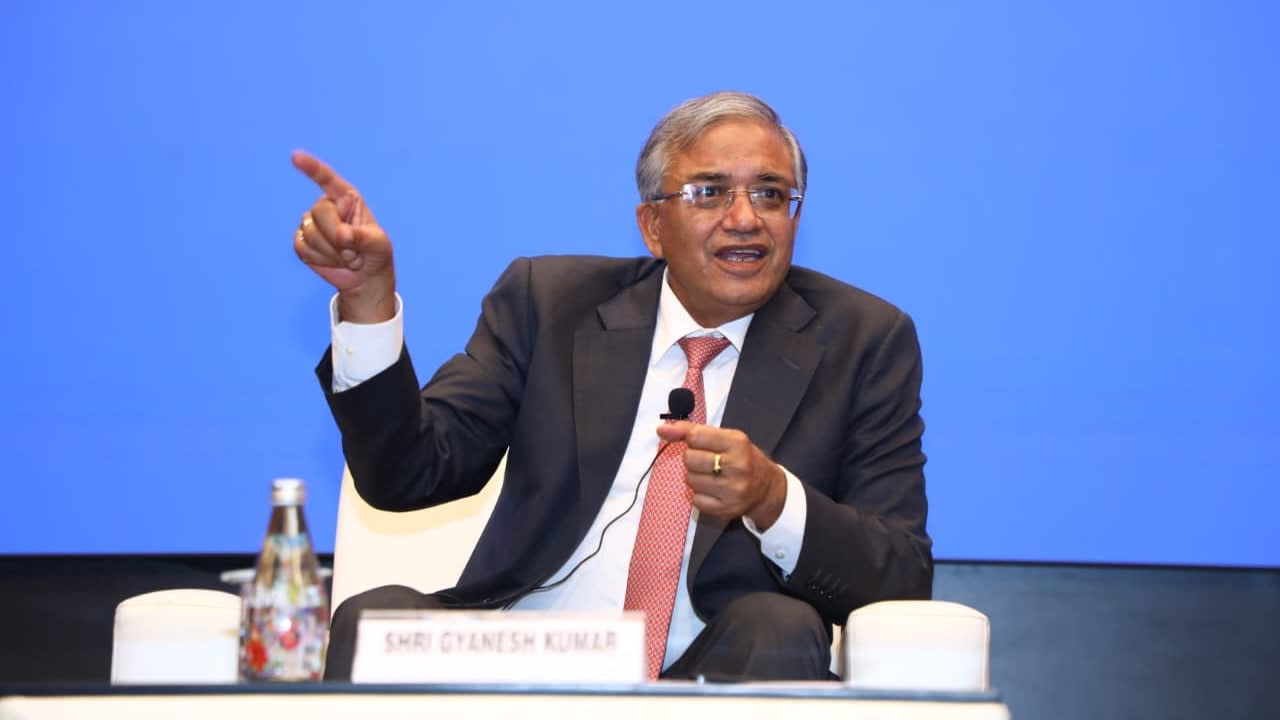
CEC Gyanesh Kumar has reaffirmed the integrity of India's electoral process, asserting that EVMs are secure and voter roll revisions are transparent. He noted that zero appeals against name deletions in 12 states indicate the success of the Special Intensive Revision process.
Upholding Electoral Integrity: Insights from the Poll Body Chief
Chief Election Commissioner (CEC) Gyanesh Kumar, during his inaugural visit to Gujarat, has issued a robust defense of India's electoral machinery. Addressing stakeholders at the Ahmedabad Management Association (AMA), Kumar underscored that the nation's electoral process operates under strict constitutional mandates, designed to ensure fairness, transparency, and public trust in democratic outcomes.
Reaffirming the Security of Voting Technology
A focal point of Kumar’s address was the security of Electronic Voting Machines (EVMs). In an era where digital skepticism often clouds electoral discourse, Kumar explicitly stated that these machines cannot be hacked. By reaffirming the technical resilience of the EVMs, the Election Commission aims to mitigate concerns regarding the potential for electronic tampering, positioning the technology as a cornerstone of a secure and modern voting system.
Transparency in Voter Roll Revision
Beyond the technology of the ballot, Kumar addressed the administrative rigor behind voter roll management. He highlighted the completion of the Special Intensive Revision (SIR) in 12 states, noting a significant milestone: zero appeals were filed against name deletions before district collectors. This statistic is presented as a testament to the accuracy and procedural integrity of the revision process, suggesting that the electoral rolls are being updated with precision and minimal friction.
The Multi-Tiered Grievance Redressal Mechanism
To ensure that no citizen is disenfranchised, the CEC detailed the robust grievance redressal framework available to the public. If a voter finds their name rejected, they have a clear path for recourse: an initial appeal before the District Collector, followed by a second appeal to the state’s Chief Electoral Officer (CEO), and ultimately, the ability to approach the judiciary. This tiered structure is designed to safeguard the constitutional right to vote.
Future Implications and Operational Scaling
Looking ahead, the Election Commission plans to extend the Special Intensive Revision to remaining states within the next one to one-and-a-half months. The success of the initial 12-state rollout provides a roadmap for these future efforts. By maintaining this administrative pace, the Commission seeks to keep voter rolls current, ensuring that the democratic process remains inclusive and reflective of the electorate’s true composition.
Conclusion
In conclusion, CEC Gyanesh Kumar’s visit to Gujarat serves as a strategic communication effort to reinforce public confidence in the Election Commission’s operations. By focusing on the unhackable nature of EVMs and the efficacy of the voter roll revision process, the poll body is signaling a commitment to constitutional adherence. As India approaches future electoral cycles, these assurances regarding technical and administrative safeguards remain vital to the health of the nation's democracy.
Multiple Citing Sources
Verification Required?