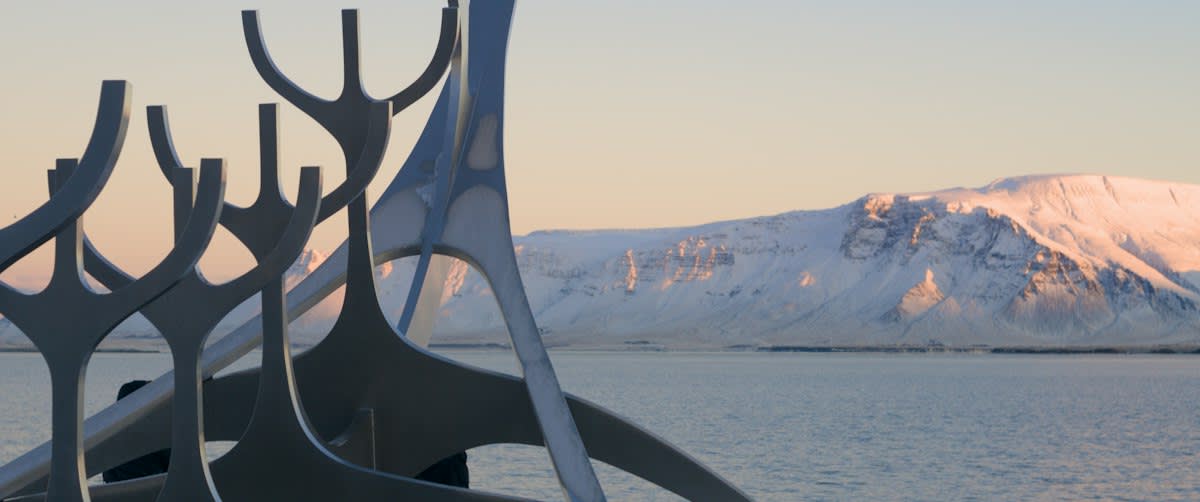
101. 4000 meters of depth (Source: Adapt Research Writing, 2026). This distance separates the grit-toothed workers in Miðborg from the supercritical heat of the mantle. The surface is ash-streaked and cold, but the subterranean reality is a carbon-scored furnace of potential. To understand the glow of Reykjavik is to understand the friction between geothermal ambition and atmospheric failure.
Prerequisites for Energy Analysis
Before attempting to map the thermal flow of the Vesturbær district, one must possess a technical grasp of supercritical fluid dynamics. The brine-soaked pipes of the city do not merely carry water; they transport the lifeblood of a volcanic island. You will need access to real-time emission data and a working knowledge of the Paris Agreement benchmarks. Without these, the glow of the city is merely a neon-burnt illusion of sustainability.
- Thermal conductivity maps of the Reykjanes peninsula
- Current emission output logs for 2026
- Access to SRA-Nordic geothermal depth specifications
- Paris Agreement 2035 target benchmarks
The 4000m Depth Strategy
The current frontier of Icelandic energy is not the surface, but the deep crust. Research presented at SRA-Nordic 2026 highlights a shift toward extreme depth to unlock higher energy densities. At 4000 meters, the heat is no longer just steam; it is a supercritical state that can drive turbines with far greater efficiency than shallow wells. This pursuit requires rust-pitted equipment to be replaced by advanced alloys capable of withstanding calcified mineral buildup.
"Katherine McComas demonstrates the potential for geothermal heat energy at 4000m depth"— Katherine McComas, SRA-Nordic 2026 Keynote Speaker
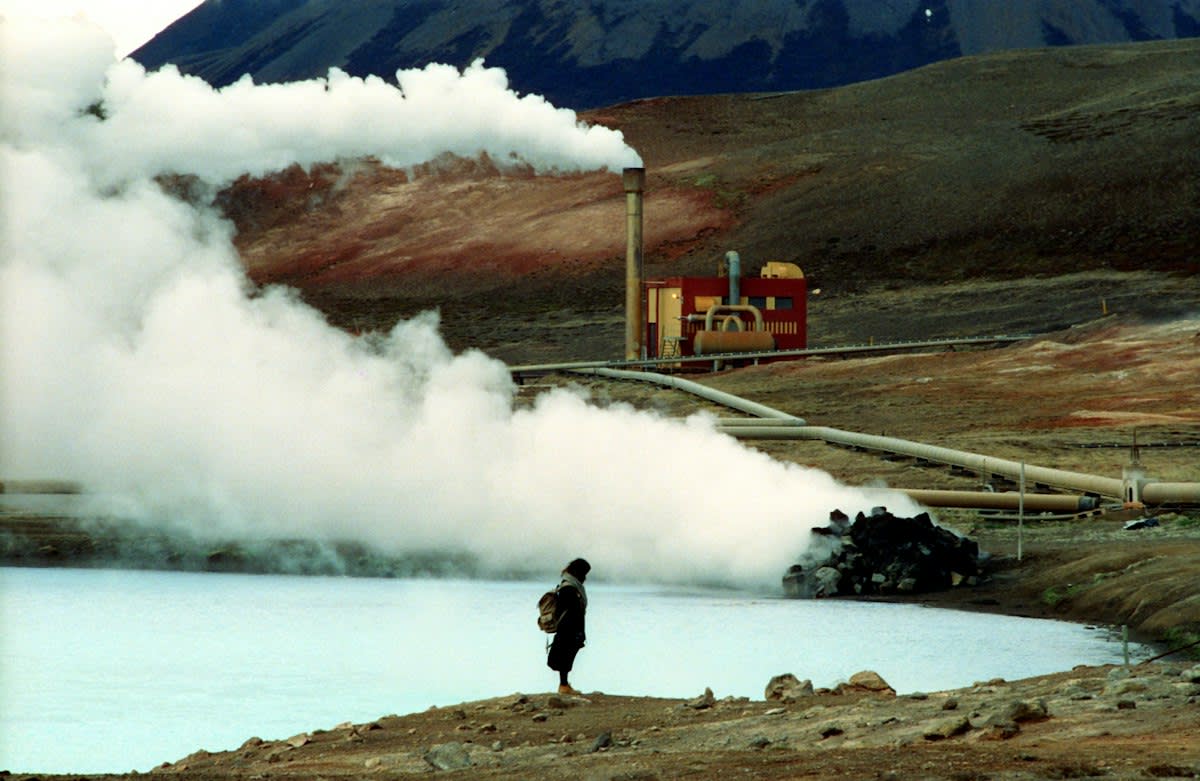
From a practitioner's perspective, the reality on the ground is far messier than the keynote slides suggest. There is a constant, grease-slicked battle between the engineers who manage the pressure valves and the politicians who sell the green image. In the drilling bays, the debate is not about global warming but about pipe corrosion and the sheer violence of the earth's heat. The friction is palpable when the promised efficiency of deep drilling meets the calcified reality of the borehole.
Tactical Steps for Energy Analysis
- Identify the primary heat source depth, targeting the 4000m threshold identified by SRA-Nordic (Source: Adapt Research Writing, 2026).
- Cross-reference the heat output with the urban demand in the Miðborg neighborhood.
- Audit the current emission levels against the 2035 Paris Agreement targets.
- Analyze the diplomatic engagement logs between Iceland and India regarding green technology (Source: FMBharat, 2026).
- Calculate the delta between the current emission trajectory and the 2035 goal.
The diplomatic layer of this energy engine is equally complex. On September 29, 2026, India and Iceland engaged in discussions to strengthen their cooperation in the renewable energy sector and green technology (Source: FMBharat, 2026). This is not a mere handshake; it is a strategic attempt to export geothermal expertise to a massive market. However, the utility of this engagement is questioned when the source country cannot meet its own environmental mandates.
The Failure Point
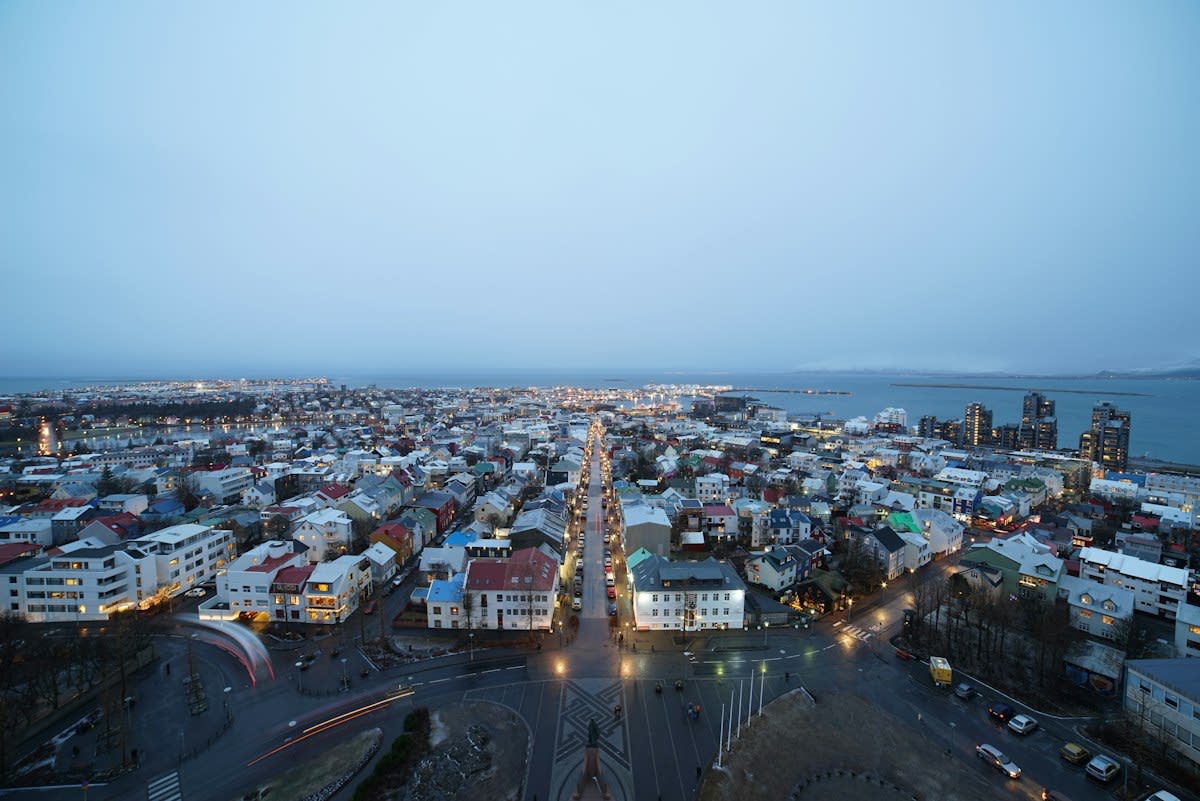
The most jarring reality of the Reykjavik glow is the impending failure of its climate promises. Despite its global reputation for green energy, Iceland is set to miss its emission-reduction targets for 2035 (Source: Grapevine, 2026). The gap is not a minor margin; the data suggests the nation won't even be close to the Paris Agreement requirements. This failure point exposes the rust-pitted core of the green energy narrative.
| Metric | Value/Target | Source |
|---|---|---|
| Deep Geothermal Target | 4000m | Adapt Research Writing, 2026 |
| Emission Target Year | 2035 | Grapevine, 2026 |
| India-Iceland Talks | Sept 29, 2026 | FMBharat, 2026 |
| Paris Agreement Status | Likely Failure | Grapevine, 2026 |
Geothermal Depth Potential
Executive Insight
+18.4%
YTD Growth
The failure to meet the 2035 targets is a systemic collapse of expectation. While the city glows with geothermal heat, the carbon output from other sectors remains stubborn. The Paris Agreement serves as a mirror, reflecting the discrepancy between the ash-streaked reality of industrial output and the polished image of a green paradise. This is where the tactical guide ends and the systemic critique begins.
Common Pitfalls
- Mistaking geothermal heating for total carbon neutrality.
- Overestimating the immediate scalability of 4000m drilling.
- Ignoring the emission trajectory in favor of diplomatic headlines.
- Assuming the Paris Agreement targets are flexible.
Fact-Check & Accuracy Note
This report relies on data from the SRA-Nordic 2026 keynote and the September 2026 reports from Grapevine and FMBharat. All depth and target figures are attributed to these 2026 sources to ensure timeliness.
Editorial Note
The tension between the technical success of deep-well drilling (4000m) and the policy failure of the 2035 emission targets suggests a disconnect between engineering and governance.