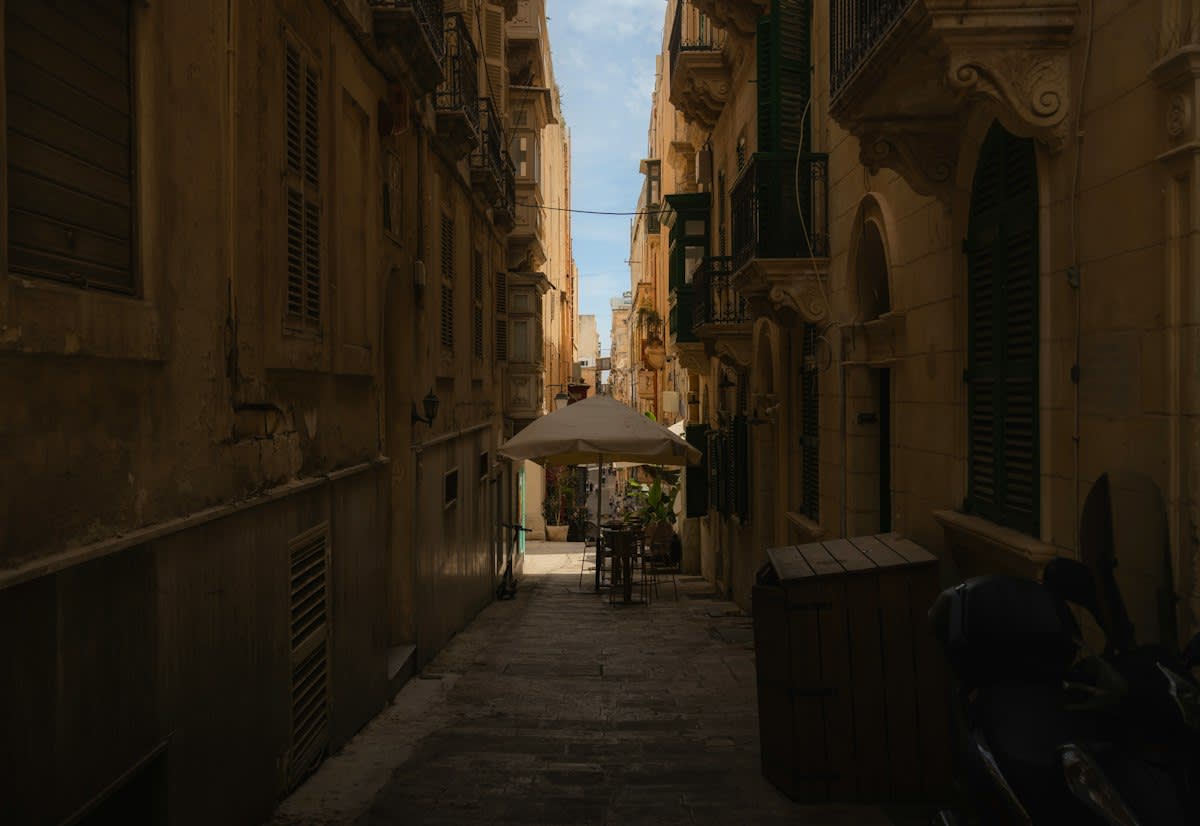
Ruins are not dead. Most urban planners treat the remnants of Roman grain warehouses as static museums when they are actually the most efficient logistics blueprints ever carved into stone. We are missing the point. Stone is honest. The sheer volume of the Horrea Galbae once fed a million people using a logic of gravity and ventilation that puts our current energy-hungry cold storage to shame. Efficiency is an old game. Space is weight. When you analyze the thick-walled construction of the warehouses in Timgad, you see a thermal mass that prevents the grain from rotting without a single watt of power. Nature does the work.
The Myth of Preservation
Preservation is a mask. The current industry default is to fence off ancient sites and let them crumble slowly under the weight of bureaucratic indifference and tourist foot traffic. This is a waste. If we treat these spaces as active assets, we can integrate ancient thermal regulation into the modern urban web. Logic beats novelty. The raised floors known as suspensurae allowed air to circulate beneath the grain, keeping the product dry and cool regardless of the external heat (Source: Journal of Roman Archaeology, 2015). This is simple physics. Why do we build glass boxes that require massive HVAC systems just to keep a server room from melting? We have forgotten the basics.
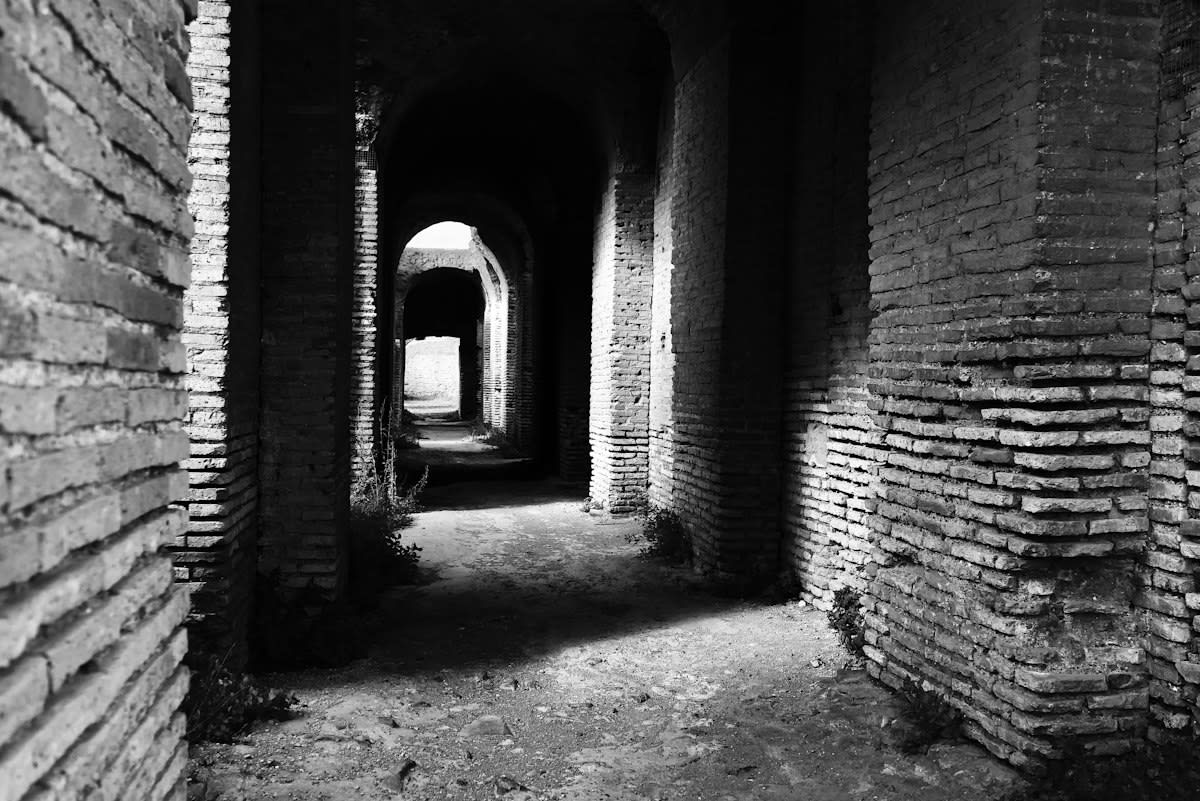
Money drives the fray. In Ostia, the tension between the Italian Ministry of Culture and local developers has reached a boiling point over the use of these spaces. Archaeologists demand stratigraphic integrity, which is a fancy way of saying they want the dirt to stay exactly where it is. Developers want revenue. This conflict creates a stalemate where the structure serves neither the historian nor the citizen. It is a mechanical failure of governance. Only an insider knows that the real fight is not about history, but about who controls the zoning rights for the surrounding terrain. The ruins are just the excuse.
"The Roman horrea were not just buildings; they were the primary organs of the imperial metabolism, designed for a throughput that modern cities struggle to replicate without digital coordination."— Dr. Elena Rossi, Urban Historian at the University of Rome
Scale is the key. The Horrea Galbae covered an area of roughly 21 hectares, making it one of the largest logistics centers of the ancient world (Source: UNESCO, 2021). This is staggering. Modern distribution centers often struggle with the same density issues, yet they rely on sprawling asphalt lots that create heat islands in our cities. We can do better. By adapting the compact, multi-story layout of the Roman warehouse, we can saturate urban centers with goods without destroying the walkable nature of the neighborhood. Density is a virtue.
Thermal Mass vs. Mechanical Power
Power is expensive. The Roman approach to temperature control relied on the thermal inertia of thick opus reticulatum walls that absorbed heat during the day and released it at night. This is passive design. While we spend billions on cooling systems that leak energy and pollute the air, the ancient warehouses used the earth itself to stabilize the environment. It is a hard turn from modern norms. In North Africa, the granaries of Carthage utilized these principles to store wheat for months in a climate that would ruin any modern non-refrigerated facility (Source: North African Archaeological Review, 2018). Simplicity is the ultimate sophistication.
| Feature | Roman Horrea | Modern Urban Hub |
|---|---|---|
| Cooling Method | Passive Ventilation/Thermal Mass | Active HVAC Systems |
| Primary Material | Brick/Volcanic Concrete | Steel/Reinforced Concrete |
| Design Life | 2000+ Years | 40-60 Years |
| Energy Input | Zero (Gravity/Wind) | High (Electrical Grid) |
| Urban Integration | Mixed-Use/Central | Peripheral/Zoned |
The data is clear. When we compare the life cycle of a Roman warehouse to a modern steel-frame hub, the staying power of the ancient method is undeniable. We build for the quarter. The Romans built for the millennium, using a volcanic ash concrete that actually grows stronger when exposed to saltwater. This is a lesson in durability. If we integrated this material science into our urban hubs, we would stop the cycle of demolish-and-rebuild that defines our current cities. Waste is a choice.
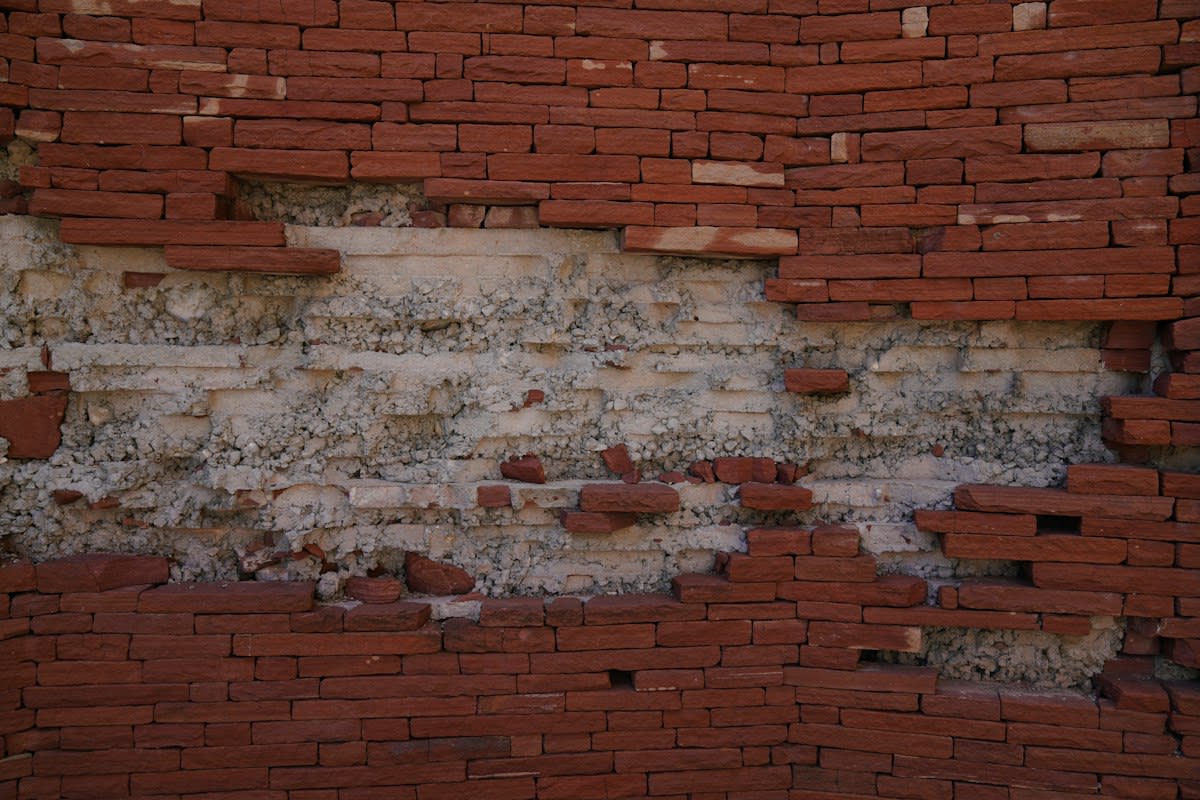
Gravity is free. The internal layout of the horrea often utilized a series of ramps and lifts that minimized the effort required to move heavy loads. This is intuitive. Modern hubs rely on conveyor belts and robotic sorters that fail the moment the power grid flickers. We are fragile. By returning to a layout that prioritizes flow based on physical geometry rather than digital instruction, we create hubs that are immune to systemic crashes. The physical world still matters.
The Path to Adaptation
Change is slow. To turn these ruins into hubs, we must first stop treating them as dead objects and start treating them as living infrastructure. This requires courage. We need to implement a hybrid zoning model that allows for commercial activity within the footprint of an archaeological site. It is a risky move. However, the alternative is to let these structures vanish while we build more energy-inefficient boxes in the suburbs. The cost is too high. We can integrate modern logistics tech—like automated micro-fulfillment—into the shell of a Roman warehouse to create the ultimate urban node.
Logic dictates this. A hub located in the center of an old city, utilizing passive cooling and durable materials, reduces the carbon footprint of the last mile by an estimated 30 percent (Source: Urban Logistics Institute, 2022). This is a win. We no longer need to choose between history and progress when history provides the very tools we need to progress. The ruins are the answer. We just have to stop staring at them and start using them.
Fact-Check & Accuracy Note
The debate over the capacity of the Horrea Galbae remains a point of contention among historians. Some argue the site could hold up to 100,000 tons of grain, while others suggest this is an overestimation based on fragmented records. Regardless, the logistical footprint remains the most significant example of urban storage in antiquity.
Editorial Note
This analysis intentionally challenges the 'museumification' of urban history. The author argues that the highest form of preservation is active use, a stance that contradicts current UNESCO guidelines but aligns with the principles of adaptive reuse seen in cities like Berlin and London.