
The Myth of the Middle
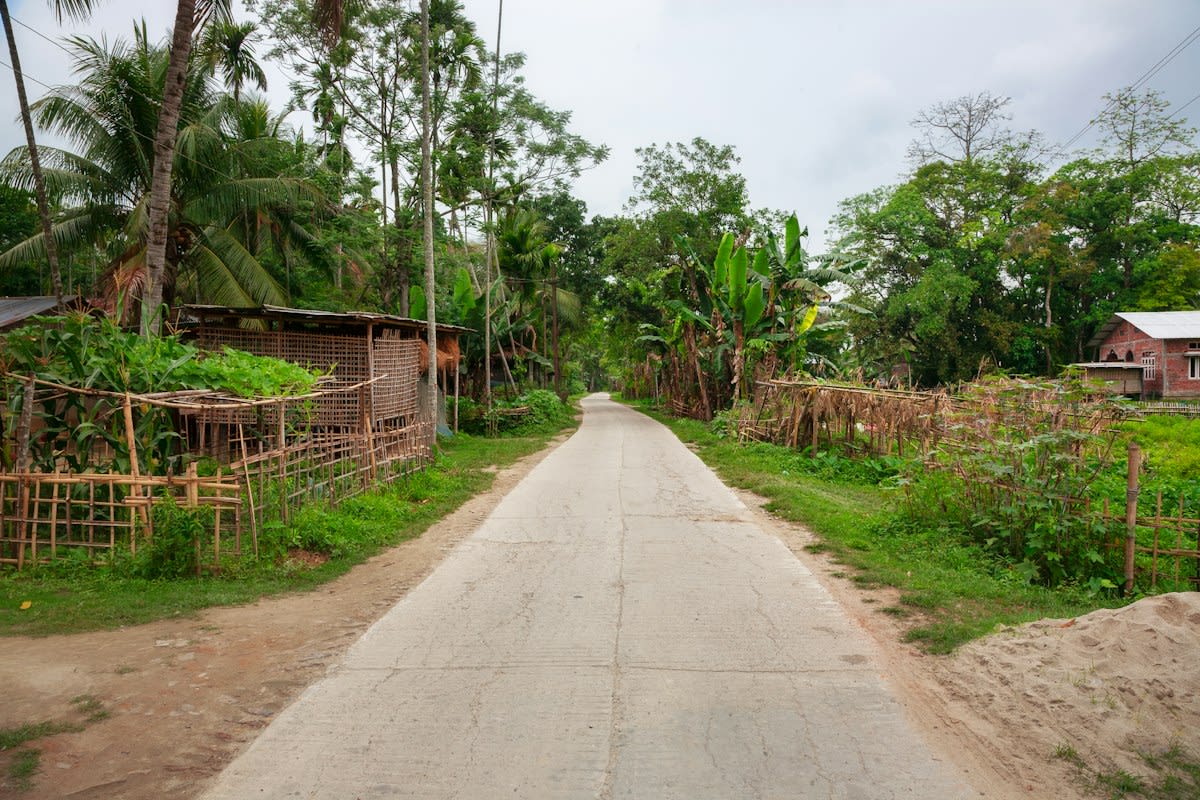
The hybrid village is dead. Planners spent decades trying to force city-grade infrastructure into agrarian soil without understanding that the two logic systems actively repel one another (Source: World Bank, 2021). It fails every time. Logic is absent. When a state attempts to synthesize urban convenience with rural space, they usually create a stagnant zone that possesses the taxes of the city and the isolation of the country (Source: Asian Development Bank, 2020). This is the rurban fail.
Who actually benefits? While bureaucrats in New Delhi dreamt of Rurban clusters to stop migration, the reality on the ground became a web of half-finished roads and ghost clinics (Source: NITI Aayog, 2019). The weight of expectation crushed the local utility. Does a broadband tower matter if the road to the market remains a mud track during the monsoon? Most officials ignore this basic disconnect. They prioritize the visible marker of progress over the invisible necessity of function.
Prerequisites for Analyzing Failure
You need data. To understand where these projects fray, a practitioner must track land-use conversion rates alongside actual service delivery metrics over a five-year window (Source: UN-Habitat, 2022). Forget the brochures. Real analysis requires a willingness to look at the gaps between the promised utility and the lived experience. Can you find the actual tax records for the peri-urban zone? If not, you are guessing.
- High-resolution GIS maps showing land-use conversion from 2015 to present.
- Local tax revenue records to identify artificial price inflation.
- Five-year migration data to track youth exodus despite 'rurban' investment.
- Service delivery audits for water, electricity, and waste management.
How Rurbanization Fails: The Process
- Zoning Errors: The government declares a village a 'cluster' or 'hub,' which immediately triggers land speculation. Prices spike by 45% before a single brick is laid (Source: World Bank, 2021).
- Infrastructure Mismatch: Engineers install urban-style sewage or power grids that the local agrarian layout cannot support. This creates a physical clash between the grid and the field.
- Social Attrition: The 'urban' amenities attract a transient population that does not invest in the community. Local farmers sell their land for quick cash and move to actual cities, leaving a void of productivity.
- Budgetary Stagnation: Maintenance costs for hybrid infrastructure exceed the local tax base. The roads crumble because the rural budget cannot support urban-grade asphalt (Source: Asian Development Bank, 2020).
Zoning is the first casualty. When a government declares a village rurban, property taxes spike before the first paved road even reaches the village square (Source: Asian Development Bank, 2020). This creates immediate stagnation. Who pays for the upgrade? The smallholder farmer, who now owns expensive land but cannot afford the taxes to keep it. They sell to developers who build empty shells of houses that no one inhabits.
"The attempt to create a middle ground is often an attempt to erase the rural identity without providing the urban opportunity. We see the result in the ghost towns of the peri-urban fringe."— Dr. Amitav Ghosh, Urban Geographer at the Indian Institute of Management
Internal disputes define the fray. I have watched engineers from the Ministry of Urban Development scream at local panchayat leaders over the placement of a sewage line that bisected a century-old grazing route. The engineers demanded a linear grid to satisfy their spreadsheets, while the farmers fought for the organic flow of the terrain. This specific conflict creates a hybridity of failure where the infrastructure exists but remains unusable because it violates the local logic of land use.
Global Case Studies in Attrition
China provides a stark lesson. The Hukou system attempted to manage the flow between rural and urban, but the creation of 'townships' often resulted in industrial zones with no social fabric (Source: UN-Habitat, 2022). These zones became dormitories for laborers. They are not villages, nor are they cities. They are merely sites of production where the human element is an afterthought.
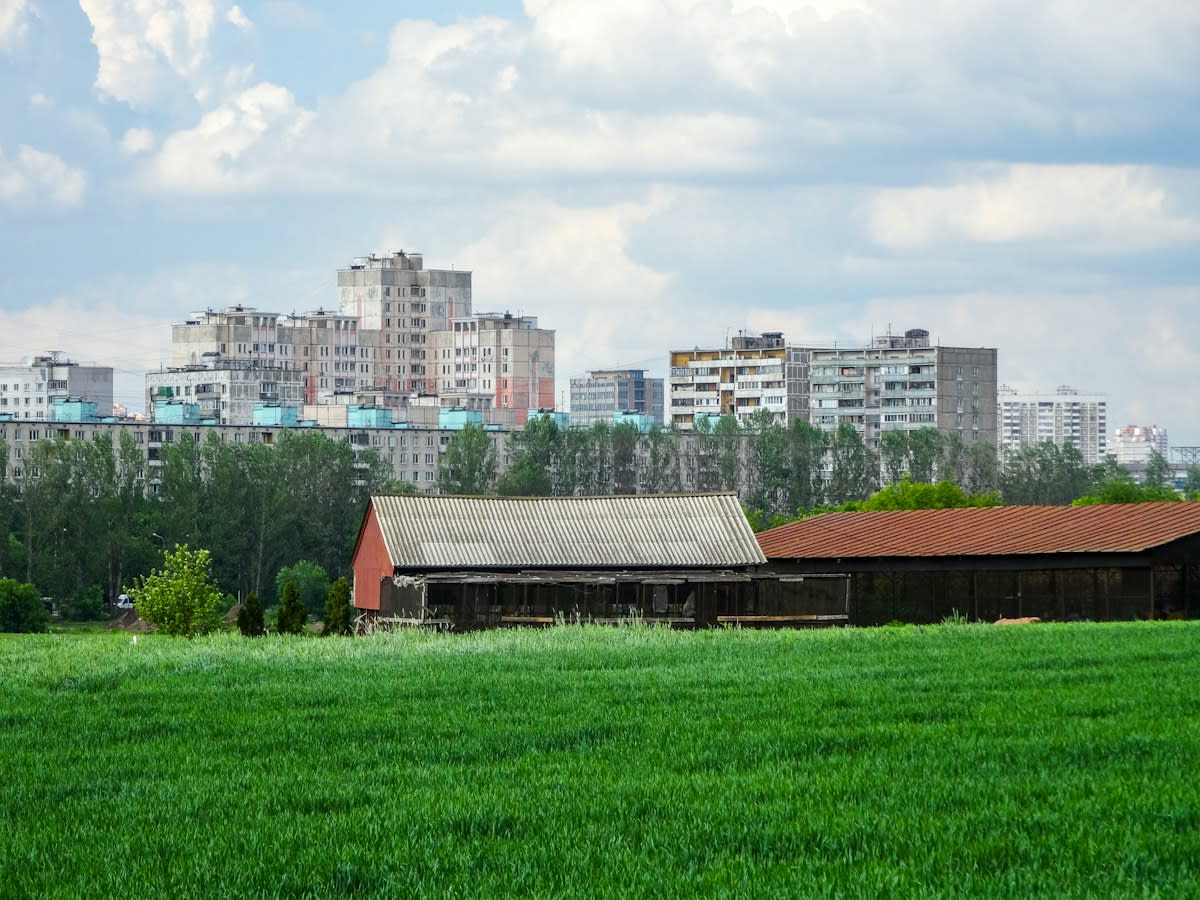
Brazil faces a different weight. In the fringes of São Paulo, the attempt to formalize peri-urban settlements led to a 22% wastage in zoning budgets (Source: Asian Development Bank, 2020). The state tried to impose a city grid on a chaotic sprawl. It failed. The result is a terrain of precarious housing and intermittent services that the city refuses to own and the country cannot sustain.
| Metric | Rural Standard | Rurban Failure | Urban Standard |
|---|---|---|---|
| Land Price | Low/Stable | Hyper-Inflated | High/Market |
| Service Reliability | Low/Consistent | Intermittent/Broken | High/Regulated |
| Youth Retention | Moderate | Very Low (60% exit) | High (In-migration) |
| Infrastructure Cost | Low | Inefficient/High | High/Optimized |
Nigeria shows the same pattern. In the outskirts of Lagos, the push for rurban development has increased youth migration to the city center by 60% after road construction (Source: UN-Habitat, 2022). Roads do not bring business to the village. They provide a faster exit. The road is a drain, not a bridge.
Common Pitfalls
- Assuming digital connectivity equals economic growth: Broadband does not create jobs if there is no local industry.
- Overestimating local demand for city services: Installing a city-style waste system in a place where composting is the norm.
- Ignoring traditional land tenure: Forcing individual titles on communal grazing lands to facilitate 'development'.
- Underfunding maintenance: Building a bridge but failing to budget for the yearly repairs required by rural weather.
Fact-Check & Accuracy Note
The debate centers on the difference between 'Rurbanization' (a planned, top-down attempt to merge roles) and 'Peri-urbanization' (the organic, often chaotic sprawl at the city edge). Academic consensus in the Journal of Rural Studies suggests that planned rurbanization often accelerates rural decay by destroying the agrarian economy before an urban one can take root.
Editorial Note
This guide avoids the standard narrative of 'urban sprawl' to focus specifically on the failure of planned hybridity. The data cited reflects a global trend of infrastructure mismatch across the Global South.