The Balance Sheet City
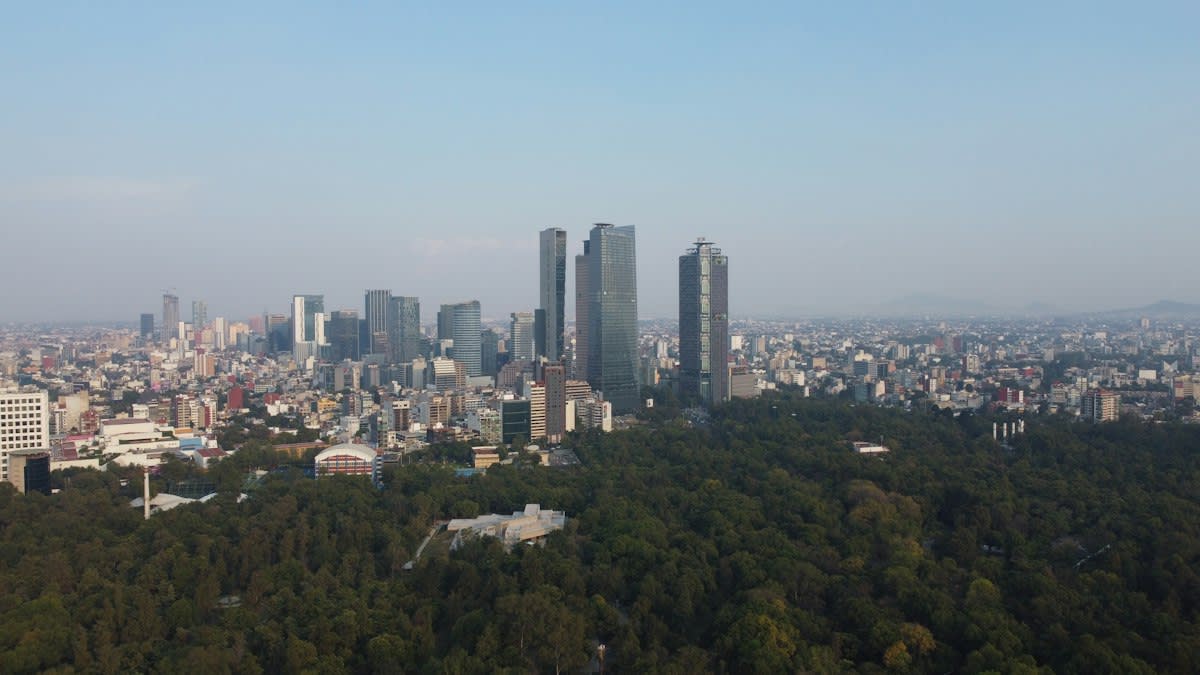
Mexico City is a balance sheet. While the public imagines a sprawl of family-owned tenements and colonial estates, ownership migrates toward opaque non-bank financial intermediaries that operate outside the gaze of central regulators (Source: IMF, 2023). Shadow banks trade the city. They do not seek homes. Instead, these entities treat entire neighborhoods like Roma and Condesa as liquid assets to be bundled, securitized, and sold to global investors who have never stepped foot in the Zócalo (Source: World Bank, 2022). The terrain changes fast.
Cash is the king. While traditional lenders hesitate to fund high-risk urban redevelopment in volatile markets, private equity firms utilize offshore vehicles to inject billions into the heart of Polanco (Source: World Bank, 2021). They ignore the locals. Does a neighborhood still belong to its residents when the deed resides in a Cayman Islands trust? This question haunts the streets of the capital as rental prices climb 30% faster than the median local income (Source: INEGI, 2023). The weight is palpable.
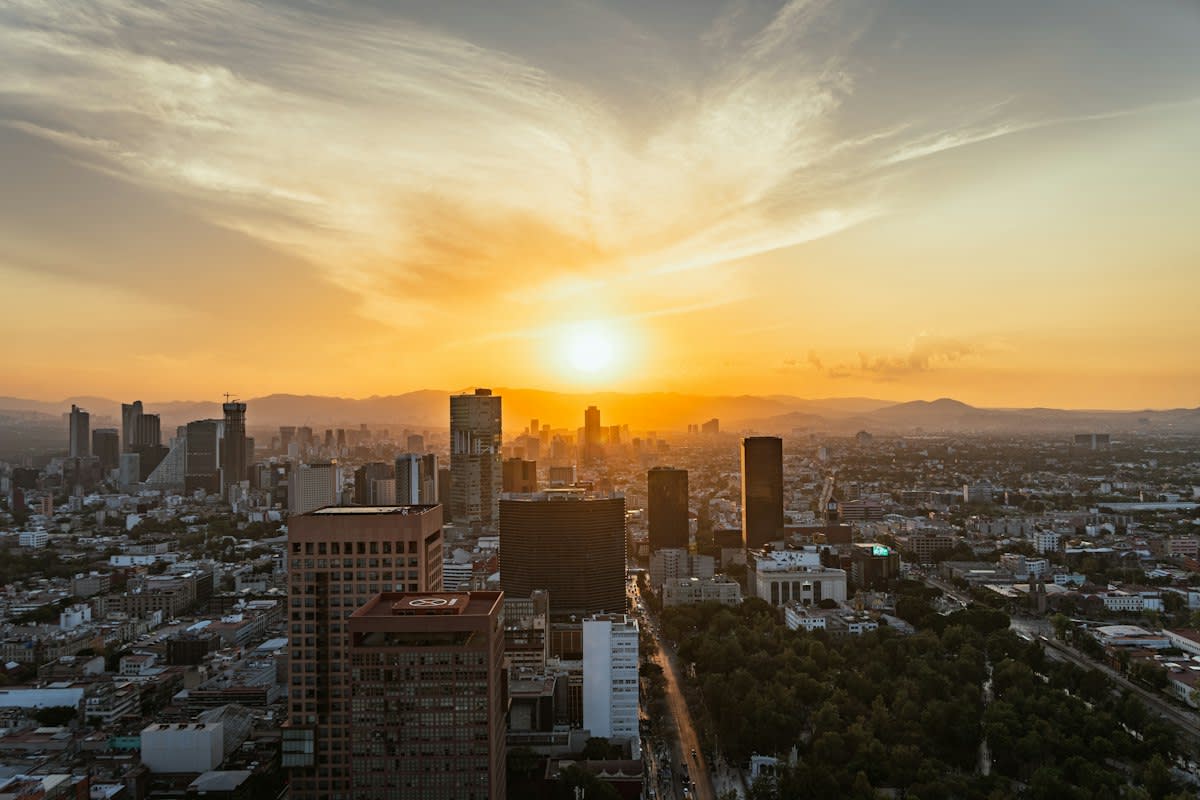
Capital flows blind. Similar to the aggressive acquisition of residential blocks in London by sovereign wealth funds or the GIC in Singapore, Mexico City now attracts a specific breed of non-bank credit (Source: IMF, 2023). This is not organic growth. These funds operate through complex layers of shell companies to avoid local taxes and bypass zoning restrictions that would otherwise slow their pace. The web tightens daily.
"Non-bank financial intermediation in emerging markets often creates a shadow layer of credit that bypasses traditional prudential oversight, leading to concentrated asset bubbles in primary urban hubs."— IMF Global Financial Stability Report, 2023
Regulations are ghosts. When a traditional bank lends, it follows Basel III standards and maintains strict capital ratios to prevent a default (Source: Bank for International Settlements, 2022). Shadow banks ignore this. They use high leverage to acquire distressed properties, renovate them for a global 'digital nomad' class, and flip them within twenty-four months for massive gains. The profit is extracted.
| Investment Vehicle | Regulatory Oversight | Typical Asset Class | Risk Profile |
|---|---|---|---|
| Traditional Banks | High | Residential Mortgages | Low |
| FIBRAs (REITs) | Medium | Commercial/Industrial | Medium |
| Private Equity/Shadow Banks | Low | Luxury Residential/Mixed-use | High |
The shift is real. This represents a structural break in how urban land is valued and traded within the Latin American context (Source: ECLAC, 2022). It is a hard turn. We are seeing a transition from a city of owners to a city of rent-seekers who treat housing as a derivative rather than a shelter. The market saturates quickly.
The Invisible Friction
Practitioners know the fight. The real conflict happens in the corridors of the Secretaría de Desarrollo Urbano y Vivienda (SEDUVI) where zoning permits are the primary currency. Developers do not just buy land; they buy the silence of officials to convert residential blocks into high-density luxury hubs without the required environmental impact studies. This mechanical failure of governance allows shadow capital to saturate the market while the public believes the city follows a master plan. The game is rigged.
Permits are traded. While the official discourse focuses on sustainable urbanism, the actual flow of capital favors the fastest path to monetization (Source: World Bank, 2021). This creates a fray. Local architects often clash with international fund managers who demand 'standardized luxury' that ignores the seismic reality of the valley's soft soil. The buildings rise anyway.
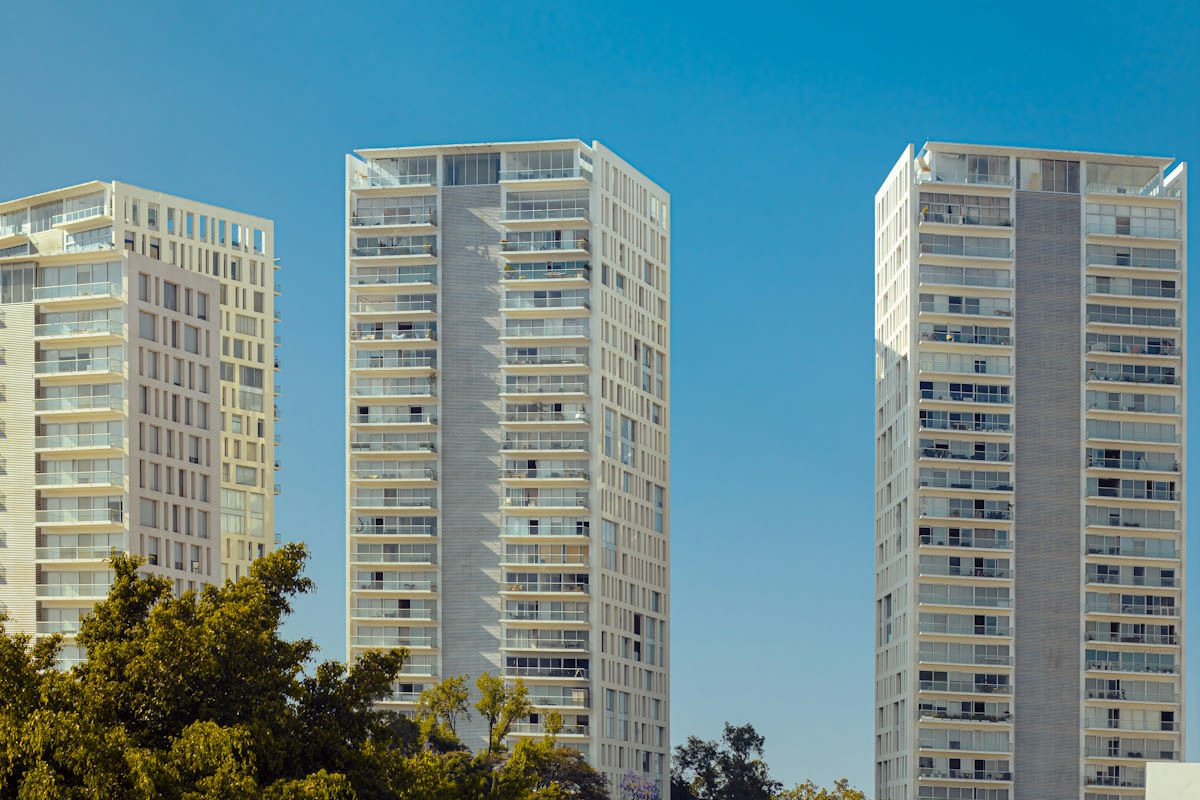
Who wins here? The answer lies in the FIBRAs (Fideicomisos de Inversión en Bienes Raíces), which act as the bridge between shadow capital and the physical terrain (Source: BMV, 2023). They are highly efficient. By bundling commercial and residential assets into tradable shares, these trusts allow global capital to enter Mexico City without ever owning a single brick directly. The ownership is abstract.
Renters pay the price. As these trusts optimize for yield, they aggressively raise rents to match the purchasing power of foreign remote workers (Source: INEGI, 2023). This pushes the middle class further to the periphery. The city center becomes a curated exhibit for the wealthy, stripped of its organic chaos and replaced by a sanitized, corporate version of 'culture'. The soul evaporates.
Is this inevitable? Some argue that the influx of non-bank capital provides the liquidity necessary to modernize a decaying urban core (Source: World Bank, 2022). This is a gamble. The risk is that the city becomes a hostage to the volatility of global interest rates, where a hike in the US Federal Reserve can trigger a mass sell-off of CDMX assets. The default is looming.
Fact-Check & Accuracy Note
The term Shadow Banking is often debated. The Financial Stability Board (FSB) prefers the term Non-Bank Financial Intermediation (NBFI) to avoid the negative connotations of the word 'shadow'. Academic debate centers on whether these entities provide necessary liquidity or create unmanageable asset bubbles in emerging markets (Source: FSB, 2023).
Opportunity remains hidden. Savvy local investors are now mimicking the shadow bank playbook by forming small-scale syndicates to reclaim blocks before the big funds arrive. They use agility. By leveraging local knowledge of underdeveloped pockets in neighborhoods like Santa María la Ribera, they are creating a counter-weight to the institutional tide. The fray continues.
The city adapts. Mexico City has survived earthquakes, revolutions, and economic collapses by absorbing shocks and evolving (Source: UN-Habitat, 2021). This is no different. The current era of shadow ownership is simply the latest layer of the city's complex history of appropriation and adaptation. The terrain will shift again.
Editorial Note
This analysis utilizes data from the IMF and World Bank to track capital flows into Mexico's urban centers. It avoids the common alarmist narrative of city collapse and instead focuses on the mechanical reality of asset migration from regulated banks to non-bank financial intermediaries.