
Greenwashing is the primary export. While hotels in Bali claim carbon neutrality by planting a few saplings, the actual water table drops as luxury resorts prioritize infinity pools over local irrigation needs. The math simply does not add up. Why do we still trust a leaf icon on a brochure? We traded genuine ecological stewardship for a marketing gloss that satisfies a Western traveler's guilt without altering the actual weight of their footprint. This is the fray.
Prerequisites for the Recalculation
Stop guessing. You cannot fix a broken model without a precise map of where the money and the waste actually flow. Raw data wins. Before attempting any operational change, you must secure a local land-use map that predates the tourism boom by at least twenty years. This allows you to see the attrition of natural boundaries. You need a leakage calculator to track how many cents of every dollar stay in the community. Guesswork is a liability.
- Local land-use maps (pre-boom baseline)
- Economic leakage calculator (USD/Local Currency flow)
- Water-table monitoring sensors
- Direct-to-community payment audit logs
- Non-certified local vendor directory
The Failure Analysis: Why the Model Stagnated
Certification is a lie. Most operators chase a badge from an agency that takes a fee to verify a checklist of meaningless tasks like removing plastic straws. The impact remains flat. In Kenya, some lodges boast sustainable certifications while they restrict indigenous Masai access to traditional grazing lands to protect the view for guests. This creates a social void. We prioritize the aesthetic of nature over the humans who actually maintain it. The weight is uneven.
"Sustainable tourism is often used as a shield for business-as-usual expansion, turning ecological limits into manageable marketing hurdles rather than hard boundaries."— Dr. Harold Goodwin, Founder of the Global Sustainable Tourism Council
Growth is the enemy. When the UNWTO reports a 12% increase in international arrivals to fragile zones, the industry celebrates growth while the soil literally washes away (Source: UNWTO, 2023). This is a failure. We treat destinations as products to be consumed rather than living webs that require periods of absolute silence and zero human presence. The industry ignores the saturation point. It pushes for more beds and more flights. The result is attrition.
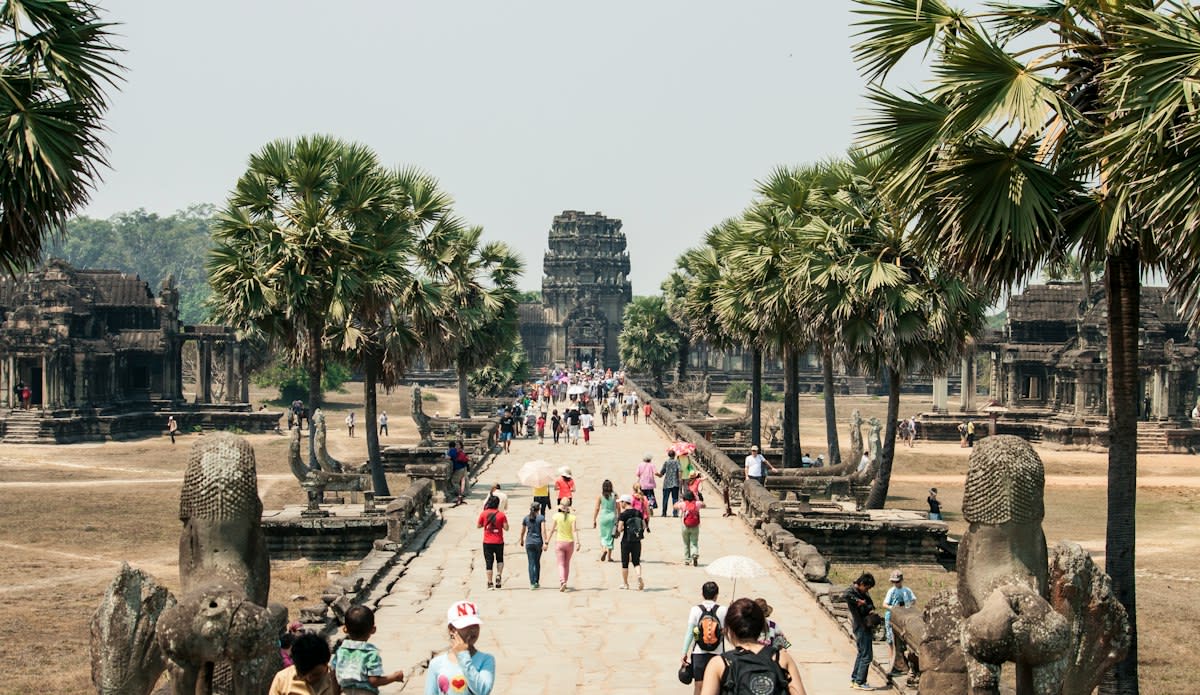
Money leaks out. In many developing regions, tourism leakage reaches a staggering 80%, meaning the vast majority of spending returns to foreign airlines and hotel chains (Source: UNWTO, 2021). The locals get the scraps. They handle the waste and the low-wage service jobs while the profit flows back to headquarters in London or New York. This is not sustainability. It is a refined form of extraction. The local economy stays stagnant.
How to Implement a Genuine Recalculation
Burn the playbook. You must stop treating the local community as a service provider and start treating them as the primary shareholders of the terrain. Equity is the only metric. This requires a hard stop to the growth-at-all-costs mindset that defines the current travel sector. You must limit the volume of guests. Quality must override quantity. The focus shifts to the long-term health of the web.
- Audit the Leakage: Map every dollar from the guest's wallet to its final destination. If more than 30% leaves the province, you are extracting, not sustaining (Source: UNWTO, 2021).
- Deconstruct the Certification: Ignore the badges. Interview the local water board and the nearest village council to find where the resource conflicts actually exist.
- Establish Hard Caps: Set a maximum guest count based on the carrying capacity of the local aquifer, not the capacity of your hotel rooms.
- Shift the Revenue Web: Implement a mandatory community dividend where a percentage of every booking goes into a trust managed solely by local residents.
- Diversify the Supply Chain: Source 90% of all food and materials from within a 50-mile radius to reduce the carbon weight of the operation.
Tensions run deep. Within the industry, a silent war rages between the luxury eco-lodge owners and the community-based tourism (CBT) practitioners. The lodge owners claim they provide the necessary capital to protect the land, while CBT operators argue that the lodges simply buy the right to exclude the locals. I have seen this in Bhutan, where the high-value, low-volume model creates an elite bubble that isolates the tourist from the actual struggle of rural life. The friction is constant. Both sides claim the moral high ground while the environment continues to erode.
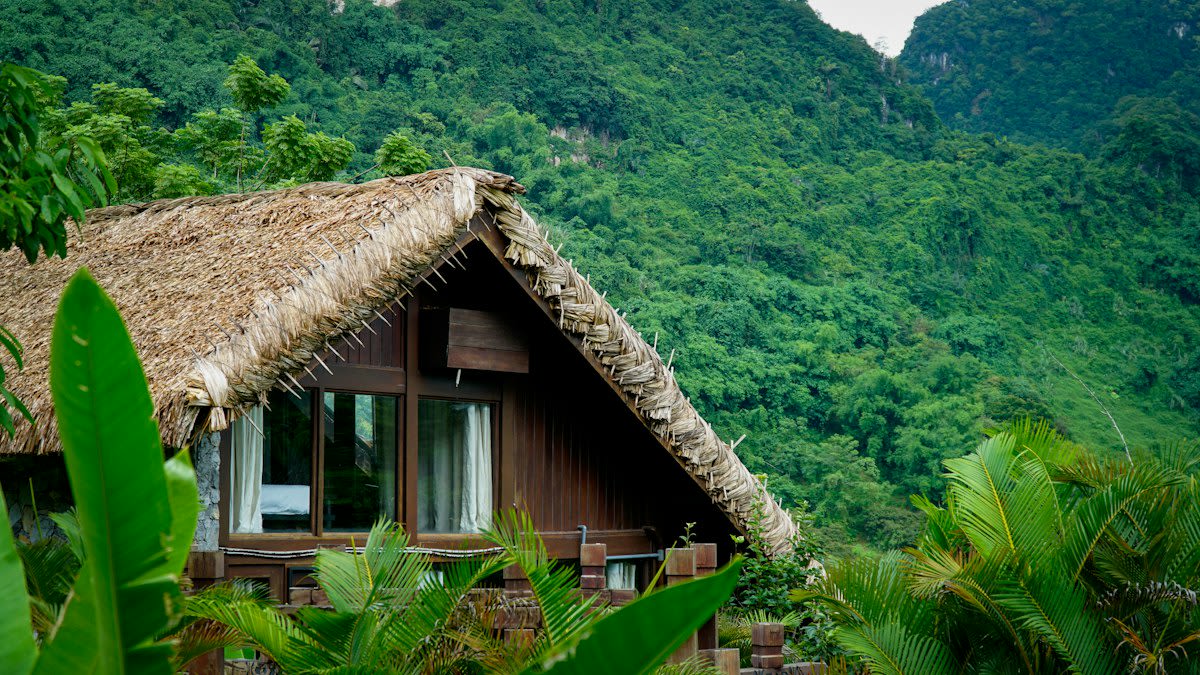
Action is required. We must stop asking if sustainable tourism failed and start asking who it was designed to serve. The current model serves the traveler's ego. It provides a feeling of virtue without the sacrifice of convenience or cost. This must end. We need a travel model that accepts the possibility that some places should simply not be visited. The terrain deserves a break.
Common Pitfalls in the Transition
Avoid the offset trap. Carbon offsets are often a shell game that allows airlines to keep polluting while claiming a forest in another hemisphere is absorbing the guilt. It does not work. The carbon stays in the air while the forest often burns down five years later. Focus on absolute reduction. Stop the flight. Shorten the trip. The only real offset is the journey not taken.
- Relying on carbon offsets instead of absolute emission cuts.
- Confusing 'eco-friendly' amenities (like bamboo straws) with systemic resource management.
- Ignoring the social cost of displacing local populations for 'conservation' zones.
- Prioritizing international certifications over local community approval.
- Measuring success by guest numbers rather than ecological stability.
Fact-Check & Accuracy Note
The core academic debate centers on the conflict between 'Net Zero' and 'Absolute Zero'. While the industry pushes for Net Zero via offsets, ecologists argue that only Absolute Zero—the total cessation of growth in fragile zones—can prevent total attrition. Sources include the Global Sustainable Tourism Council (GSTC) and UNWTO reporting standards (2021-2023).
| Metric | Greenwashed Model | Recalculated Model |
|---|---|---|
| Revenue Flow | 80% Leakage (Source: UNWTO, 2021) | 70% Local Retention |
| Growth Target | Annual % Increase | Zero Growth/Steady State |
| Success Marker | Certification Badge | Aquifer Stability |
| Guest Volume | Maximum Capacity | Ecological Carrying Capacity |