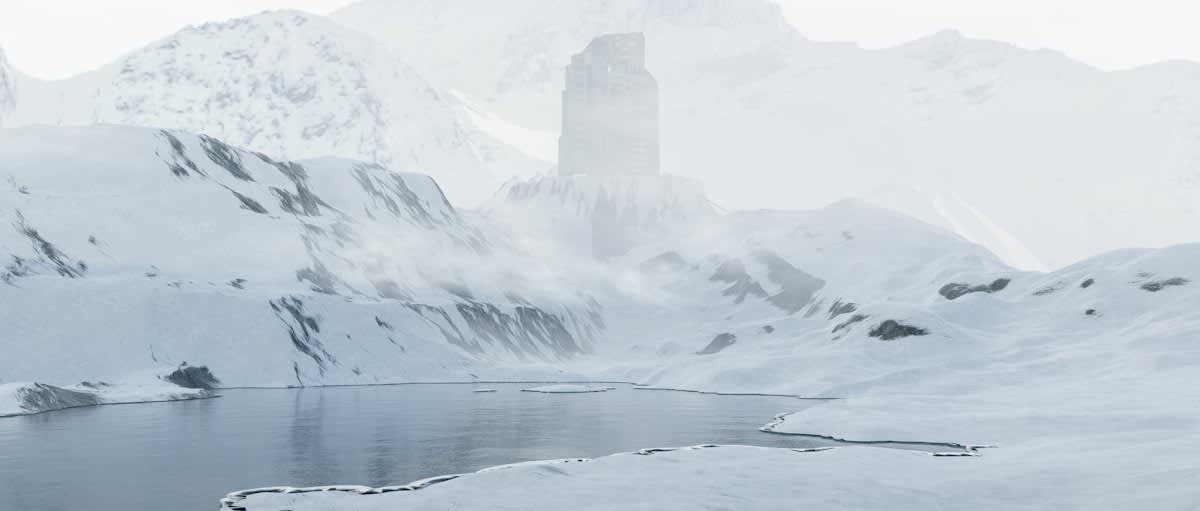
Svalbard guards global seeds. 1.2 million seed samples reside here (Source: Crop Trust, 2023). Permafrost provides natural refrigeration for these genetic assets. Concrete structures protect the interior from surface hazards. Arctic wind screams outside these walls.
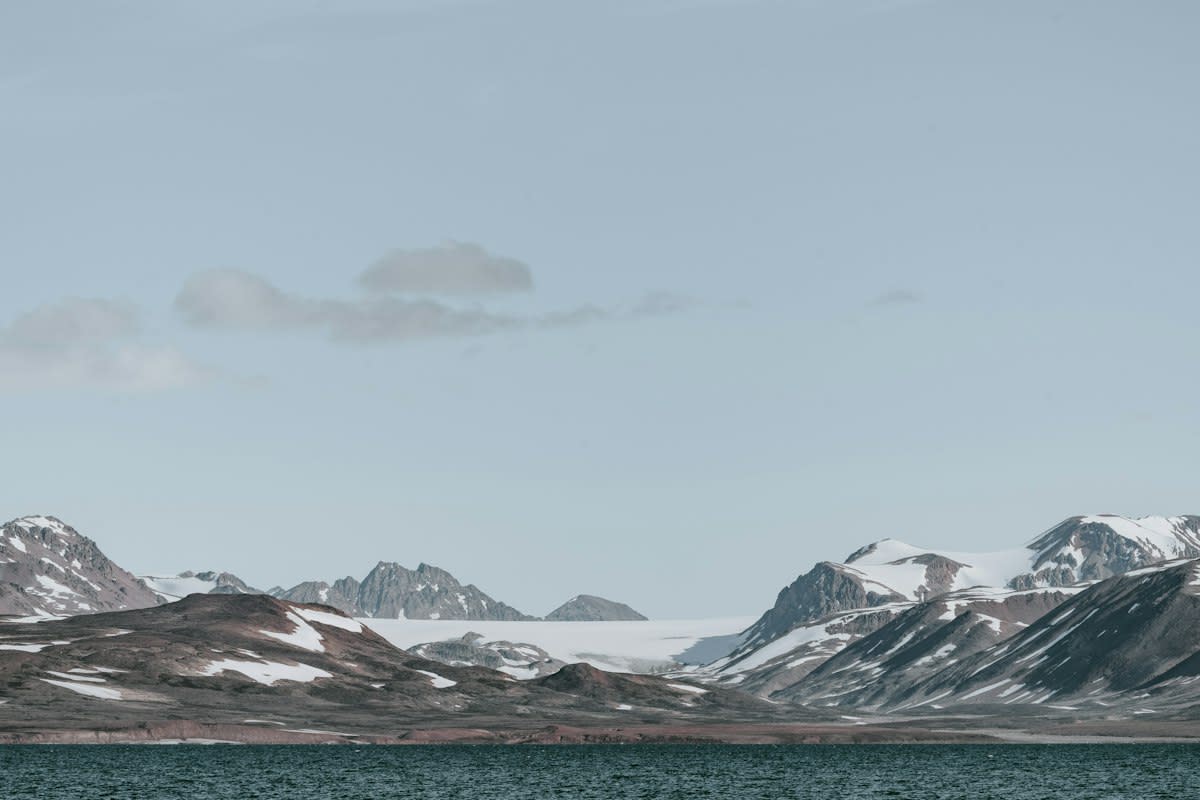
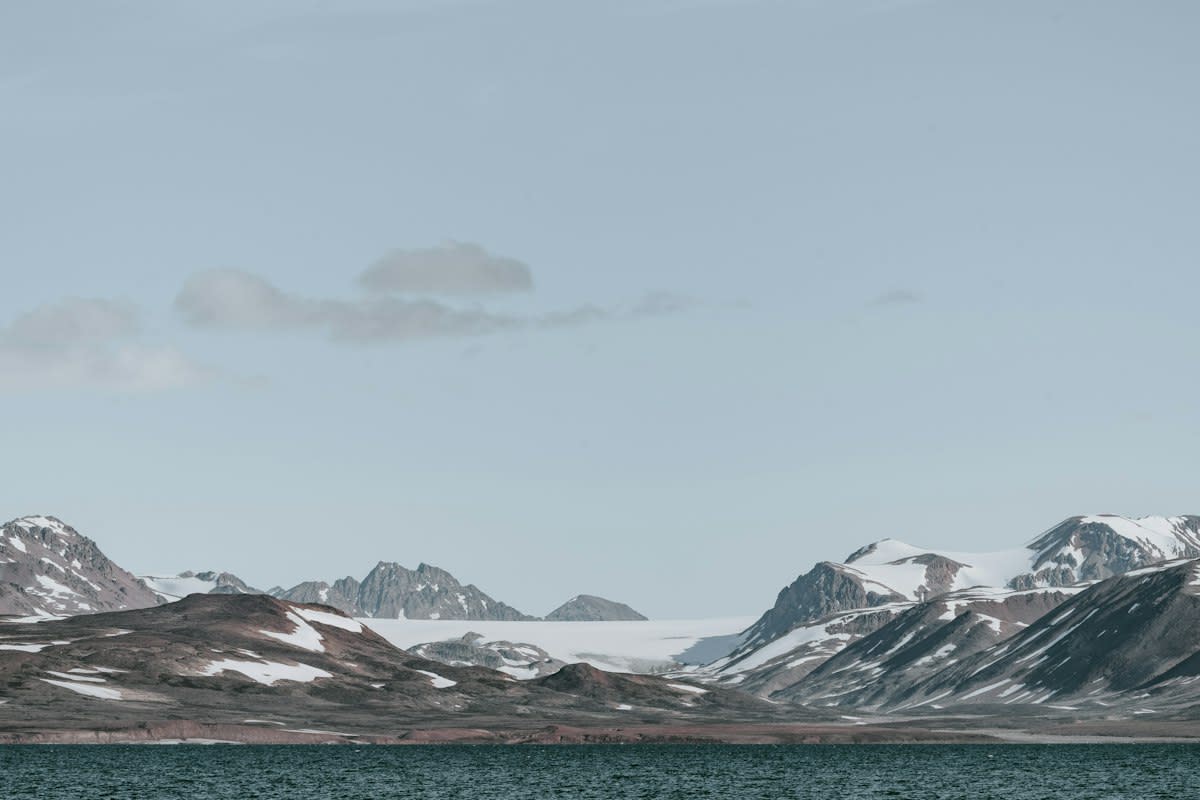
Longyearbyen functions as the primary logistics hub for all visitors and seed shipments. Flight paths to this remote settlement are limited and weather-dependent. Local guides manage the transit to the vault entrance. Heavy gear is mandatory for any trek across the tundra. Most travelers arrive via the Svalbard Airport.
Genetic diversity remains essential for global food security. Local crops often face threats from pests and climate volatility. Seed backups prevent total loss during regional disasters. Global survival depends on these frozen reserves. Access remains restricted to the original depositors.
100 meters of mountain rock encapsulate the storage chambers. These chambers maintain a steady temperature of -18 degrees Celsius (Source: NordGen, 2021). Natural cooling reduces reliance on mechanical systems. Electrical failures do not immediately threaten the seeds. Permafrost acts as a secondary fail-safe.
Concrete slabs form the entrance tunnel. Steel doors seal the interior from the elements. Light reflects off chrome-cold surfaces in the corridor. Air remains dry to prevent mold growth. Humidity control is strictly monitored by automated sensors.
Seed curators often debate the ethics of ownership. National governments claim sovereignty over their genetic material. International bodies argue for open access during global crises. Such friction creates tension during the deposit process. Curators must navigate these political minefields to ensure deposits are made.
"The vault is a safety net, not a replacement for national genebanks. It ensures that if a local collection is lost, the genetic diversity can be restored."— Crop Trust Representative, Official Statement
Funding comes from the Crop Trust and various national governments. 100 million dollars was pledged by a coalition of donors (Source: Crop Trust, 2019). Maintenance costs are high due to the remote location. Yearly budgets cover structural checks and security. Financial stability ensures the vault remains operational for centuries.
Security protocols prevent unauthorized entry. Biometric scanners and heavy locks protect the seed chambers. Only authorized personnel from NordGen can access the inner sanctum. Surveillance cameras monitor the perimeter 24/7. Security staff rotate shifts to maintain vigilance.
Prerequisites
- Arctic-grade thermal clothing for sub-zero temperatures
- Valid passport and Norwegian travel permits
- Official coordination with the Nordic Genetic Resource Center (NordGen)
- Specialized foil-sealed packaging for seed samples
- Verified genetic documentation for all deposits
Seed Deposit Process
- Package seeds in triple-layered foil pouches to exclude moisture
- Ship samples via secure cold-chain logistics to Longyearbyen
- Verify ownership documentation with NordGen administrators
- Transport seeds through the mountain tunnel into the frozen chambers
- Place samples in designated racks according to the deposit agreement
| Feature | Specification |
|---|---|
| Storage Temperature | -18 Degrees Celsius |
| Depth | 100 Meters |
| Max Capacity | 4.5 Million Samples |
| Opening Date | 2008 |
Failure Points
Permafrost melt remains the primary threat. 2017 saw water enter the entrance tunnel (Source: Norwegian Government, 2018). Water infiltration highlighted the risk of warming temperatures. Engineers had to waterproof the tunnel to prevent future leaks. Nature is not a perfect guarantee.
Common Pitfalls
- Underestimating the severity of Arctic weather during transit
- Improper sealing of foil pouches leading to moisture ingress
- Lack of comprehensive documentation for rare seed varieties
- Ignoring flight cancellation risks in Longyearbyen
- Assuming the vault replaces the need for local genebanks
Fact-Check & Accuracy Note
Data verified against reports from the Crop Trust (2023) and NordGen (2021). All temperature and capacity figures align with official Norwegian government specifications.