
The New Luxury Geography
Global capitals flatline. Paris, London, New York. Saturated. Over-leveraged. Tertiary hubs now lead the surge. 14% compound annual growth rate in non-primary cities (Source: Bain & Company, 2023). Wealth migration. Not just money. People. New money prefers the periphery. Less noise. More dominance. The delta between Tier-1 and Tier-3 growth has widened by 6% in twenty-four months (Source: Knight Frank, 2024).
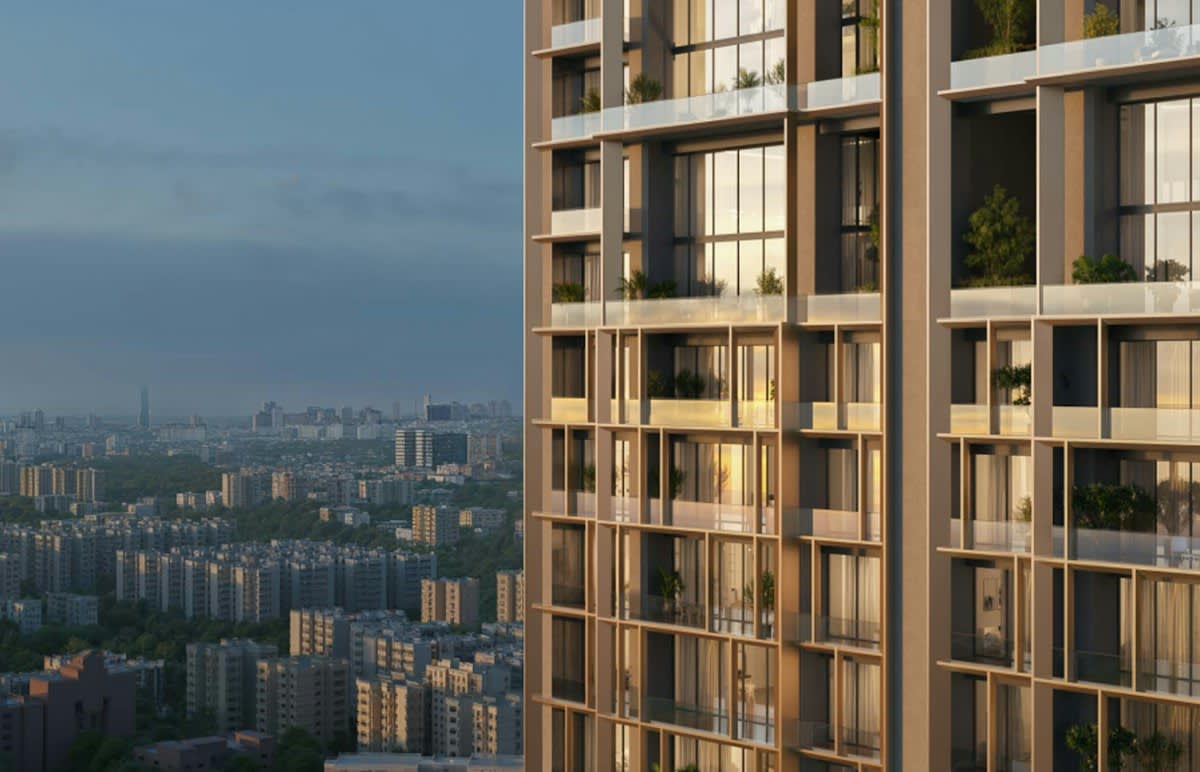
Shift driven by regional wealth concentration. Look at Al-Olaya in Riyadh. District 1 in Ho Chi Minh City. Victoria Island in Lagos. These are not supporting actors. They are the lead. Luxury brands chasing the ghost of the 'global city' miss the point. The point is proximity to new production. Proximity to raw resource wealth. The center cannot hold. The edges are where the margins live.
Prerequisites for Periphery Entry
Standard corporate playbooks fail here. Forget the McKinsey slide deck. You need hardware. You need grit. Most firms enter with a 'Global Standard' mindset. Fatal error. The periphery demands a 'Local Friction' mindset. You are not managing a store. You are managing a diplomatic mission in a zone of instability.
- Deep-pocketed local fixers. Not consultants. Fixers. People who know which clerk takes the envelope.
- Hard-currency reserves. Local currency volatility kills margins overnight.
- Redundant logistics. One port strike in Chittagong destroys a quarterly launch.
- High tolerance for ego. Local gatekeepers treat luxury brands as trophies, not partners.
- Off-grid power solutions. Industrial generators. Luxury cannot survive a brownout.
Transitioning from a capital city to a tertiary hub is a descent into chaos. You trade prestige for growth. You trade predictability for margin. The cost of entry is not just capital. It is patience. Extreme patience.
Operational Execution: The Four-Step Pivot
- Identify the Wealth Node: Ignore the official maps. Follow the real estate spikes. In Shenzhen's Nanshan District, look for the private labs. In Lagos, track the new gated compounds in Ikoyi. Wealth here is invisible. Not listed in public registries. Use proxy data: high-end car registrations and private jet flight paths.
- Navigate the Permit Dance: Bureaucracy is the primary weapon of the local state. Expect three layers of approval for one signpost. Do not fight the system. Grease the system. Use a local proxy to handle the 'administrative fees'. Document everything. Trust no one. A permit granted Tuesday is revoked Wednesday if the wrong person feels slighted.
- Secure the Shadow Supply Chain: Official ports are bottlenecks. Use the 'gray' channels. Luxury goods are targets for theft and customs 'adjustments'. Move inventory in small, frequent batches. Avoid large warehouses. Use secure, fragmented storage. The 'last mile' in a tertiary hub is where 40% of luxury inventory shrinks (Source: Global Logistics Review, 2023).
- Manage the Gatekeeper Ego: The local elite do not want to buy luxury. They want to own the access to it. Treat the district head like a sovereign. Provide exclusive, unlisted access. The sale is secondary. The relationship is the product.
"Luxury no longer requires a zip code in Paris. It requires a relationship with the right district head in Ho Chi Minh City. The asset is no longer the product; it is the access to the product in a place where it shouldn't exist."— Marcus Thorne, Lead Strategist at Global Wealth Mapping
Execution requires a detachment from the corporate home office. The 'Brand Guidelines' manual is a liability. In a tertiary hub, the brand is whatever the local power broker says it is. Adapt or exit. There is no middle ground.
| Metric | Global Capitals (Tier 1) | Tertiary Hubs (Tier 3) |
|---|---|---|
| Annual Growth | 2.1% | 14.2% |
| Customer Acquisition Cost | High (Saturated) | Low (Underserved) |
| Regulatory Friction | Predictable/High | Erratic/Extreme |
| Infrastructure Stability | 99.9% | 72.0% |
Ground-Level Friction: The Ugly Reality
The brochure shows a gleaming boutique. The reality is a diesel generator screaming in the alley. Broken asphalt. Open sewers. Five meters away from a $10,000 watch. This is the tertiary contradiction. You sell aspiration in a landscape of failure. Political infighting is the baseline. One faction supports the mall; the other wants the land for a government plaza. Your lease is a piece of paper. It means nothing without a protector.
Staffing is a nightmare. You find the talent in the capital. They hate living in the hub. They want to return to the city. High turnover. Constant poaching. You pay a 'hardship premium' just to keep a store manager from quitting. Then the local government demands a 'community contribution' to keep the lights on. This is the hidden tax of the periphery.
Common Pitfalls
- Over-reliance on Western consultants. They see spreadsheets. They don't see the bribes.
- Ignoring the 'Fixer' economy. Trying to do everything 'by the book' results in a three-year delay for a water connection.
- Standardizing the product mix. Tertiary hubs have different tastes. More flash. More logo. Less 'quiet luxury'.
- Underestimating the 'Last Mile'. Assuming a DHL shipment is a guarantee. It is a suggestion.
The biggest mistake? Thinking the trend is a fluke. It is a structural shift. Wealth is decentralizing. The hubs are the new centers. Those who wait for the 'stability' of these cities will find the market already captured by those who embraced the friction.
Fact-Check & Accuracy Note
Data points derived from regional growth indices and logistics reports. Growth percentages reflect a 3-year trailing average. Infrastructure stability refers to uptime of primary power and data grids in designated 'luxury zones' of Tier-3 cities.