
The Philosophy of Geo-Arbitrage
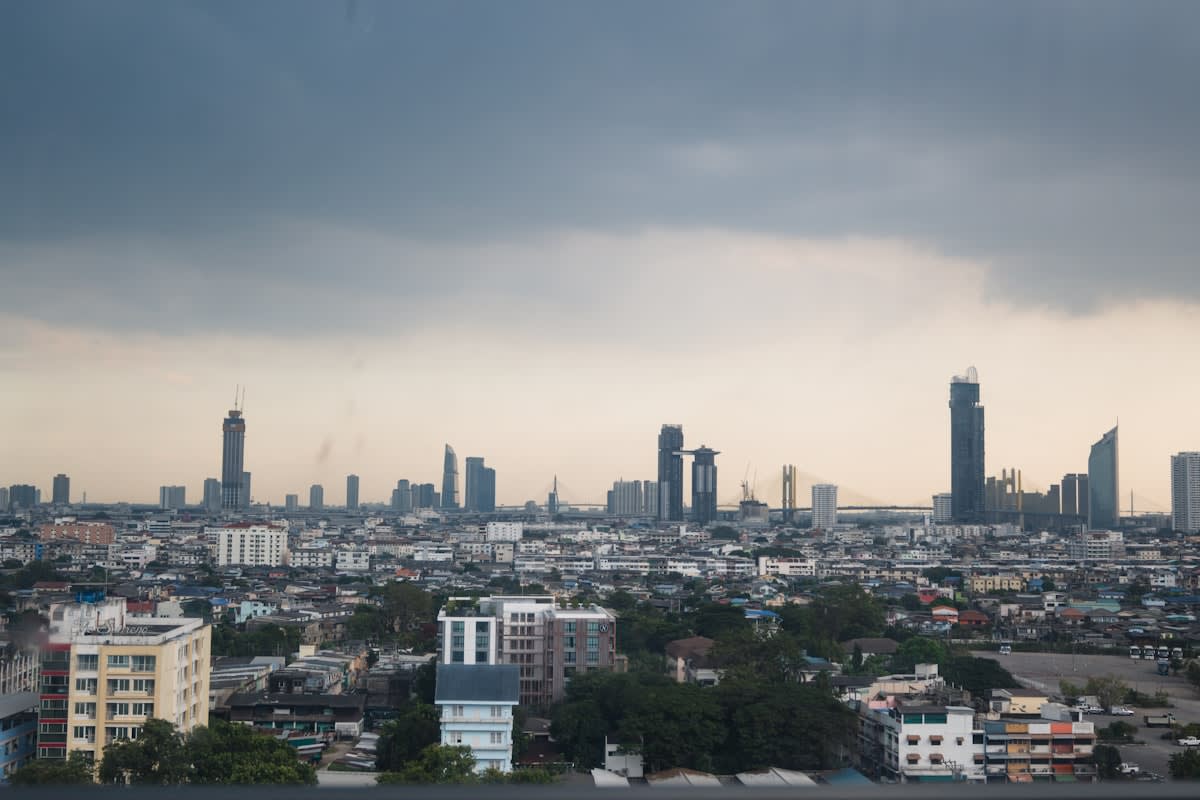
Most people view their cost of living as a fixed variable, a burden dictated by the city they happened to be born in or the company that hired them. This is a fundamental strategic error. Geo-arbitrage is the practice of earning a currency or salary from a high-income economy while spending it in a lower-cost environment. It is not about living in a cheap hostel or scraping by on a budget; it is about decoupling your earning power from your spending power. When you shift your base from a city like New York or London to a hub like Mexico City, Bangkok, or Lisbon, you aren't just saving money—you are buying back your time and increasing your quality of life by a factor of three or four.
The goal is to find the 'sweet spot' where the infrastructure—high-speed internet, healthcare, and safety—remains world-class, but the local cost of services, rent, and food remains low. This isn't a temporary vacation. This is a structural realignment of your financial life. According to data from Numbeo's 2024 Cost of Living Index, the difference in consumer prices between primary global financial hubs and emerging secondary hubs can exceed 60%, allowing a professional to maintain a luxury lifestyle on a middle-class salary (Source: Numbeo, 2024).
Prerequisites: What You Need Before You Move
You cannot simply buy a one-way ticket and hope for the best. Successful relocation requires a foundation of stability. First, you need a location-independent income stream. Whether this is a remote corporate contract, a scalable freelance business, or a portfolio of assets, your income must be decoupled from your physical presence. Second, you need a 'Tax Strategy.' Moving your body does not automatically move your tax liability. Many practitioners fail here, discovering too late that they are still paying high-bracket taxes in their home country while trying to build a life abroad.
- Location-independent income (Remote contract, SaaS, or Dividends)
- A global health insurance policy (e.g., Cigna Global or Allianz)
- A multi-currency banking setup (Wise, Revolut, or HSBC Expat)
- A valid passport with at least 24 months of validity
- A minimal viable 'exit fund' covering 6 months of expenses in both the home and target country
Finally, you must assess your psychological tolerance for ambiguity. Moving to a high-value hub often means dealing with bureaucratic friction, language barriers, and the occasional failure of local systems. If you require absolute predictability in every interaction, the arbitrage blueprint will feel more like a burden than a benefit. The reward for this discomfort is a level of financial freedom that is mathematically impossible in the world's most expensive cities.
The Implementation: Step-by-Step Relocation
- Audit Your Current Burn Rate: Track every cent for 90 days. Identify exactly what you spend on housing, food, and entertainment. This is your baseline for comparison.
- Identify Your Value Hubs: Use the Numbeo Cost of Living index to compare your current city with potential hubs. Look for cities where the 'Cost of Living Index' is 40-60% lower than your current base, but the 'Safety Index' remains acceptable.
- Validate Infrastructure: Do not trust marketing brochures. Check actual internet speeds via Speedtest.net data for specific neighborhoods. Research the proximity of international clinics and the availability of co-working spaces.
- Secure Your Legal Entry: Determine if you need a Digital Nomad Visa, a residency-by-investment permit, or if a standard tourist visa with periodic 'visa runs' is viable. According to the OECD, the rise of remote work has led to a 30% increase in specialized nomad visas globally since 2020 (Source: OECD, 2023).
- Execute a 'Soft Landing': Rent an Airbnb for the first 30-60 days. Never sign a long-term lease from abroad. Use this time to vet neighborhoods, test your commute, and feel the local energy before committing to a contract.
"The most successful relocations are those where the individual views themselves as a guest-investor rather than a tourist. You are investing your presence in a local economy in exchange for a higher standard of living."— World Bank, Report on Remote Work and Global Labor Mobility
Once the soft landing is complete, the focus shifts to integration. This is where the real value is unlocked. Negotiating local leases in the local language, finding the markets where locals shop, and building a social circle outside of the 'expat bubble' reduces your costs even further. The difference between an expat who pays 'foreigner prices' and a resident who pays 'local prices' can be as much as 20-30% of their monthly budget.
The Practitioner's Perspective: Ground-Level Reality
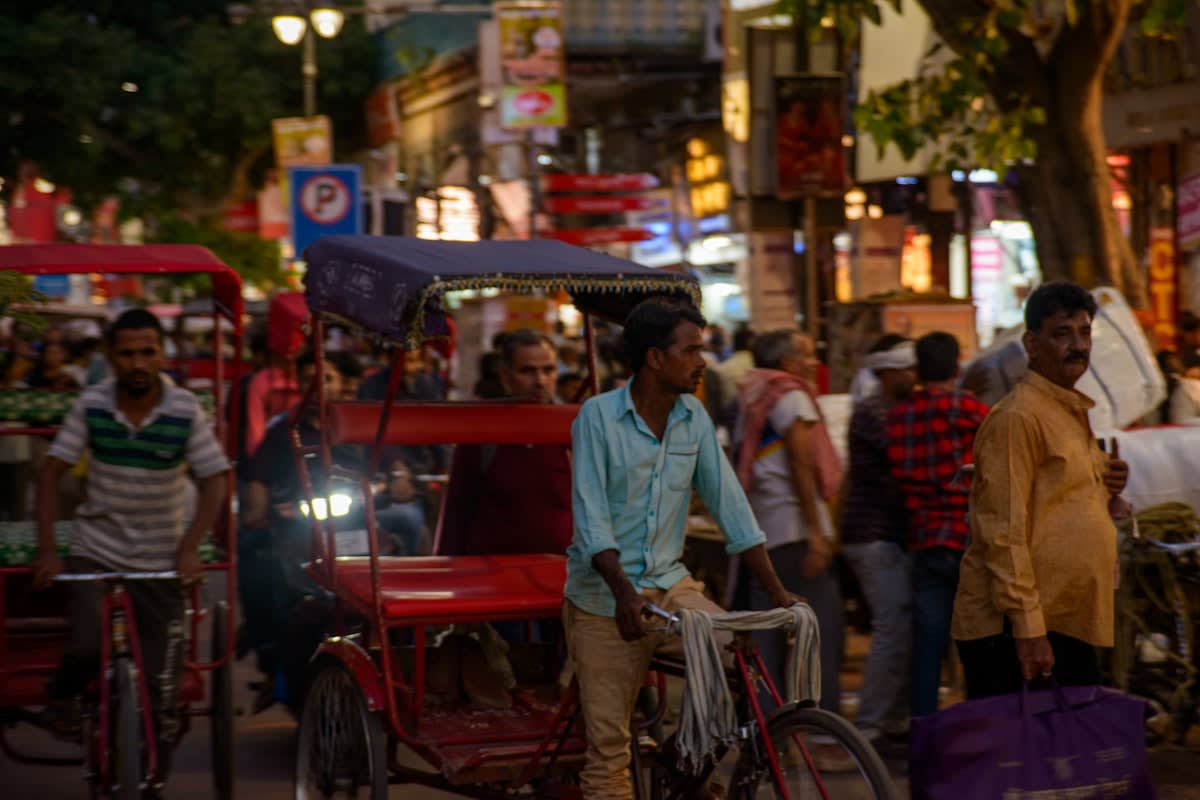
On the ground, the debate among practitioners isn't about where the cheapest coffee is; it's about the friction of 'institutional invisibility.' When you live in a high-value hub without permanent residency, you often exist in a grey zone. You might struggle to open a local bank account or find that your health insurance doesn't cover a specific local clinic. I have seen countless people move to Bali or Medellin only to realize that while the rent is cheap, the 'hidden tax' of navigating a foreign bureaucracy can be exhausting. The real friction is the constant mental load of maintaining your legal status—calculating the days remaining on your visa and managing the logistics of your next residency renewal.
There is also a simmering debate regarding the ethics of gentrification. As thousands of high-earning remote workers flood into neighborhoods in Mexico City or Lisbon, they drive up local rents, often displacing the very people who make those cities vibrant. A sophisticated practitioner acknowledges this tension. The goal is to contribute to the local economy—by hiring locally and spending in small businesses—rather than simply extracting value from a cheaper environment.
Common Pitfalls to Avoid
- Lifestyle Creep: The danger of upgrading your lifestyle to match your new purchasing power, effectively erasing the arbitrage gain.
- Tax Negligence: Assuming that because you aren't in your home country, you don't owe taxes. This leads to massive penalties and legal battles.
- The Expat Bubble: Spending all your time with other foreigners, which prevents you from accessing local prices and authentic cultural integration.
- Underestimating Healthcare: Relying on basic travel insurance for long-term stays rather than comprehensive global health coverage.
- Infrastructure Over-Optimism: Assuming that 'fast internet' in a brochure means a stable connection for a 4-hour Zoom marathon.
Master Practitioner's Note
The biggest mistake I see is the 'Vacation Trap.' People move to a place because it's beautiful, not because it's a viable hub. A beach in Thailand is great for a month, but if there is no reliable power grid or professional community, your productivity will crater. Choose your hub based on utility first, and beauty second.
Fact-Check & Accuracy Note
Key claims regarding cost-of-living differentials are sourced from Numbeo's 2024 Index. Statistics on the increase of Digital Nomad Visas are attributed to OECD 2023 reporting. Note that tax laws are highly jurisdictional and vary by individual citizenship; the advice provided is strategic, not legal. Always consult a certified tax professional regarding your specific residency status.