Drug-Free Punjab By 2029-End: Amit Shah's Big Promise Ahead Of Polls
Source Entity
NDTV News Search Records Found 1000
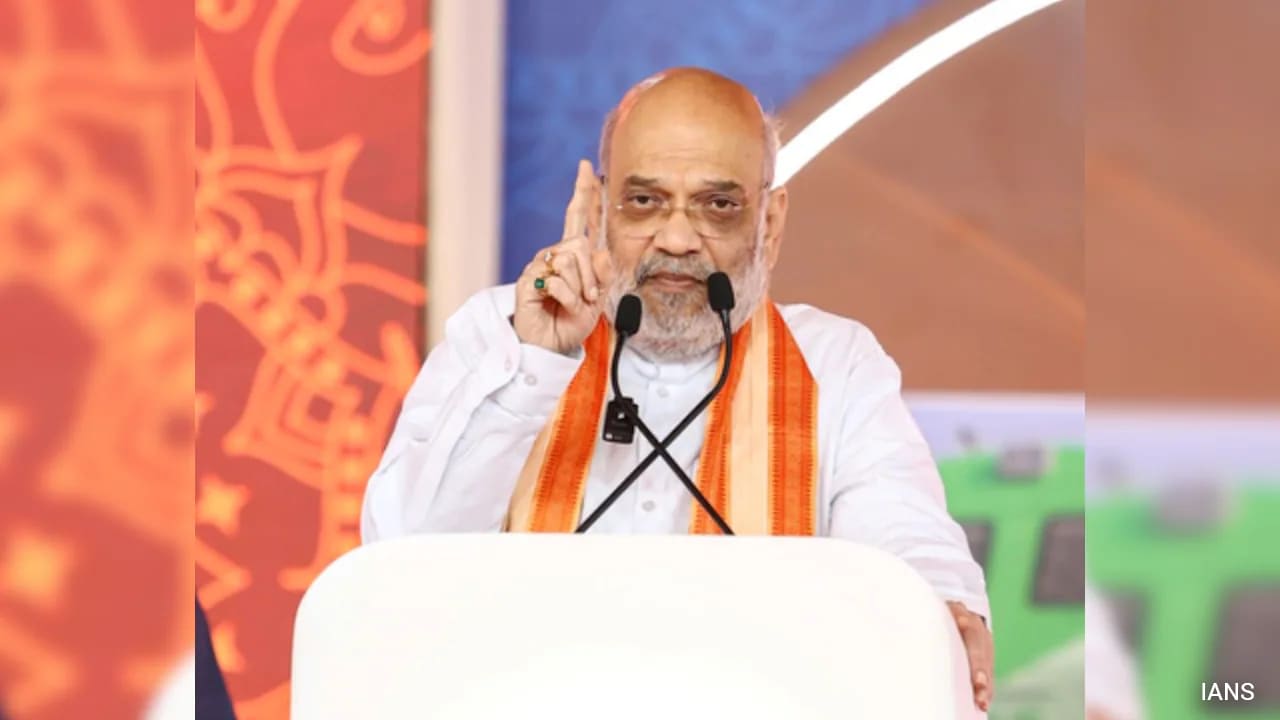
Union Home Minister Amit Shah has pledged to make Punjab drug-free by December 31, 2029, centering the BJP's 2027 election campaign on this promise. The ruling AAP party has challenged the claim, citing recent massive drug seizures as evidence of the current administration's ongoing struggle.
Amit Shah’s Vision for a ‘Chitta-Mukt’ Punjab
Union Home Minister Amit Shah has officially set a definitive deadline of December 31, 2029, to eradicate the drug menace, specifically targeting 'chitta' (synthetic drugs), from Punjab. During the concluding rally of the 13-day ‘Nasha Mukt Punjab Yatra’ in Jalandhar, Shah framed this initiative as a moral and social imperative, focusing on the emotional toll addiction has taken on families across the state. By anchoring the BJP’s 2027 assembly election campaign to this promise, the party is signaling a strategic pivot to address public health and law-and-order concerns as a primary voter priority.
The Strategic Pivot: Drugs as a Political Wedge
By elevating the drug crisis to the central theme of the 2027 election, the BJP is attempting to consolidate its position in a state where agricultural policy, women’s safety, and employment remain perennial issues. Shah’s commitment that 'chitta' will neither be sold nor permitted to transit through the state after the 2029 deadline suggests a massive overhaul of border security and local policing strategies. This rhetoric is designed to resonate with families who have been devastated by the prevalence of synthetic narcotics, effectively positioning the BJP as the party of stability and recovery.
Challenges to the Promised Timeline
The ambitious nature of this timeline has invited immediate skepticism from the ruling Aam Aadmi Party (AAP). The current state government has challenged the Home Minister’s narrative by pointing to recent enforcement successes, such as the seizure of 526 kg of heroin and methamphetamine valued at over Rs 3,000 crore. This confrontation highlights the ongoing tension between federal oversight and state-level governance regarding the efficacy of current drug interdiction efforts.
Historical Context and Enforcement Realities
Punjab’s struggle with narcotics is deeply rooted in its geographic location and socioeconomic shifts. The influx of synthetic drugs has long been a point of contention in Punjab’s political discourse. Amit Shah’s promise reflects an acknowledgment that existing measures have not fully stemmed the tide of illegal substances. The promise of a 'chitta-mukt' state by the end of 2029 implies a multi-year, multi-agency crackdown that would require unprecedented coordination between central security agencies and local law enforcement.
Future Trends and Political Implications
As the 2027 Assembly elections approach, the success of this campaign will depend on the BJP's ability to provide concrete evidence of progress. Voters will likely weigh these promises against the reality of ongoing drug seizures. If the party fails to demonstrate a measurable decline in drug availability, the issue could backfire, highlighting the complexities of border control and regional crime syndicates. Conversely, if the BJP manages to facilitate a significant reduction in supply, it could fundamentally alter the political landscape of the state.
Verification Required?