Under fire, EC orders special drive to add genuine electors 'left out' during SIR
Source Entity
BHARTI JAIN
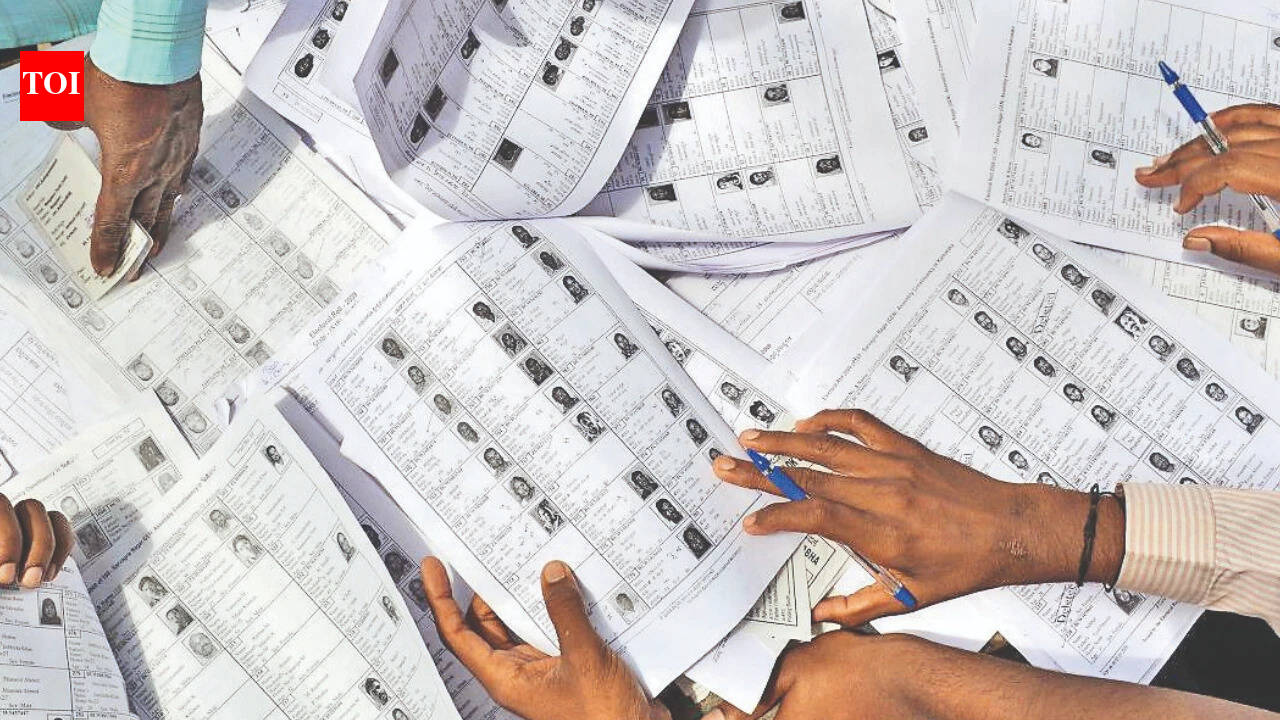
The Election Commission has launched a special drive to re-enrol genuine voters mistakenly deleted during recent Special Intensive Revision (SIR) exercises. Booth Level Officers will conduct house-to-house verifications to facilitate registrations via Form 6.
EC Initiates Corrective Measures for Voter Roll Integrity
The Election Commission of India (EC) has launched a targeted special drive across 20 states to rectify potential errors in the electoral rolls. This initiative follows reports of voters being inadvertently excluded during the recent Special Intensive Revision (SIR) process. By focusing on identifying and reinstating genuine electors, the Commission aims to uphold the sanctity of the democratic process and ensure that no eligible citizen is disenfranchised due to administrative oversights.
Understanding the Scope of the Correction
Official data indicates that, on average, 10% of electors per booth—amounting to approximately 80-90 individuals per location—were deleted during the SIR. To address this, the EC has tasked Booth Level Officers (BLOs) with conducting house-to-house verifications. Each BLO is responsible for reviewing the status of fewer than 100 individuals who were marked for deletion, ensuring that the process remains manageable and highly accurate at the grassroots level.
Mechanisms for Re-enrolment
Central to this drive is the use of Form 6, the standard application for the inclusion of names in the electoral roll. Citizens who find themselves omitted from the lists are encouraged to utilize this form to request reinstatement. The process is being positioned as a component of the 'Continuous Updation' protocol, which operates outside the formal SIR period, allowing for ongoing maintenance of electoral integrity.
Regional Implementation and Oversight
In states like Gujarat, the Chief Electoral Officer (CEO) has issued explicit directives to District Election Officers and Collectors to execute the drive over four consecutive Sundays. This strategic scheduling is designed to maximize public participation, ensuring that working citizens have the opportunity to engage with officials. The involvement of local administration signifies a concerted effort to decentralize the correction process and bring it directly to the community.
Implications for First-Time Voters
Beyond correcting past errors, the drive serves a dual purpose: facilitating the registration of first-time voters, particularly those in the 18-19 age demographic. By integrating the re-enrolment of 'left-out' voters with the onboarding of new youth voters, the EC is streamlining its outreach. This dual-focus approach not only addresses immediate complaints regarding deletions but also proactively expands the electoral base ahead of future polling cycles.
Future Trends and Democratic Stability
This move reflects a broader trend toward data-driven electoral management. As the EC moves to refine its digital and physical verification processes, the ability to rapidly correct administrative errors becomes a benchmark for institutional transparency. By acknowledging the possibility of systemic deletions during the SIR and providing a clear, accessible pathway for rectification, the Commission reinforces public trust in the electoral system and emphasizes its commitment to universal suffrage.
Multiple Citing Sources