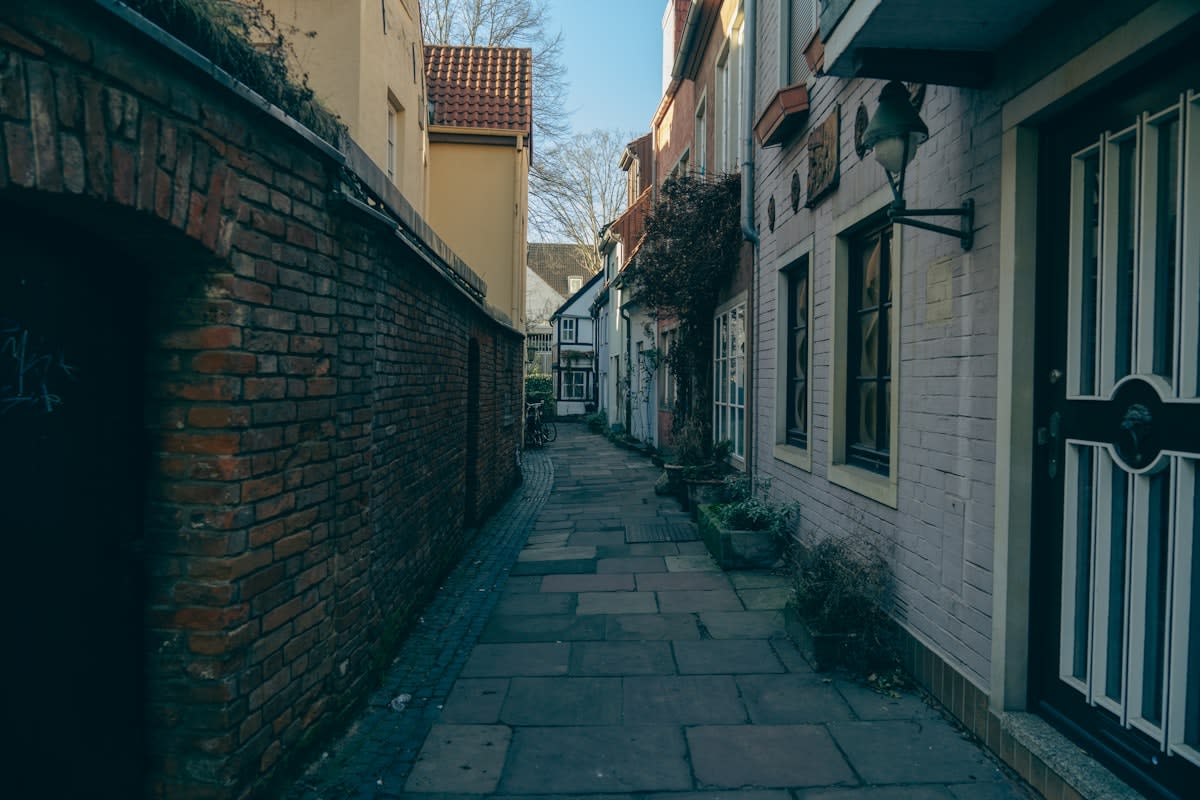
The modern traveler is caught in a paradox. We crave the sublime beauty of the world's most iconic landmarks, yet we arrive to find them suffocated by the very popularity that makes them desirable. You have seen the footage: queues that stretch for city blocks in Paris or the shoulder-to-shoulder congestion of the Amalfi Coast. This is the result of the Instagram-industrial complex, where a handful of 'bucket-list' locations bear the brunt of global tourism. The solution isn't to stop traveling, but to pivot your strategy entirely. Enter the 'Destination Dupe'—the practice of identifying a secondary location that mirrors the appeal of a primary destination but remains blissfully under the radar.
Finding a dupe is not about settling for a second-best version of a city. It is an exercise in architectural and cultural forensics. It requires you to strip away the brand name of a destination and analyze what actually makes it attractive. Is it the Gothic spires? The turquoise waters? The specific cadence of a street market? Once you isolate these variables, you can locate them elsewhere, often in regions where your currency goes further and the locals actually want to talk to you. This shift in perspective transforms travel from a checklist of monuments into a genuine exploration of geography.
Defining the Dupe
A 'Destination Dupe' is not a fake; it is a parallel. It is the difference between buying a luxury brand name and finding the artisan workshop that produces the same quality without the logo markup.
Prerequisites for the Strategic Traveler
Before you begin hunting for alternatives, you must shed the 'top ten' mentality. The greatest barrier to finding a dupe is the psychological reliance on curated lists. You need a willingness to venture into the 'grey zones' of the map—those countries or provinces that don't feature heavily in glossy brochures. This requires a baseline of digital literacy, specifically the ability to use satellite imagery and local-language forums to verify that a place actually looks and feels like the experience you are seeking.
- A flexible itinerary that prioritizes 'vibe' over specific landmarks.
- Access to regional transit maps and secondary airport data.
- A translation tool capable of handling local dialects for deeper research.
- The mental fortitude to handle slightly less polished infrastructure.
Beyond the tools, you need a shift in your value system. Most travelers prioritize convenience and prestige. The dupe-hunter prioritizes exclusivity and authenticity. While a primary destination offers a polished, predictable experience, a dupe offers a raw, unpredictable one. You must be comfortable with a hotel that doesn't have a global brand name and a restaurant that doesn't have an English menu. This is where the real magic happens.
The Master Method: How to Identify Your Dupe
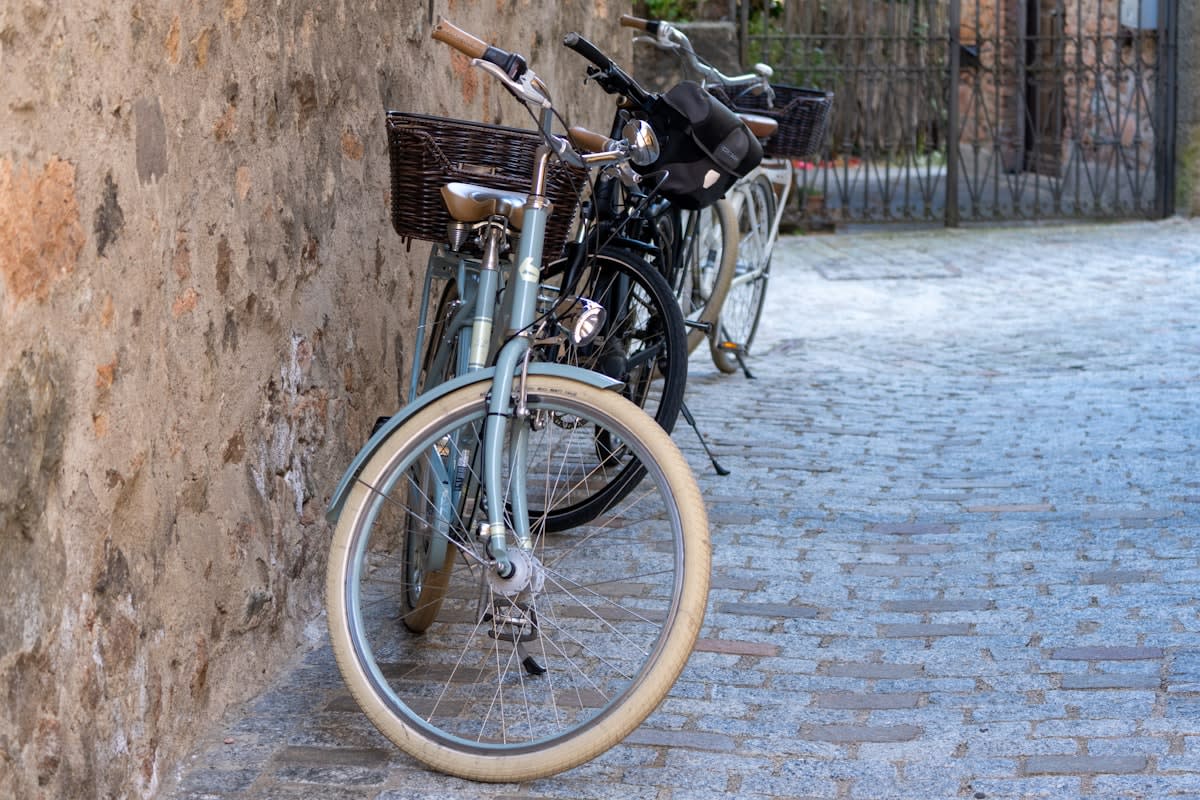
Finding the perfect alternative is a systematic process. You cannot simply search for 'cheaper alternatives to London' and expect a world-class result. That only leads you to other mid-tier tourist traps. Instead, you must deconstruct the destination. If you love the Amalfi Coast, do you love the cliffs, the lemons, the Mediterranean blue, or the Italian luxury? If it is the cliffs and the blue, the Albanian Riviera offers a strikingly similar geological profile with a fraction of the crowds.
- Identify the Anchor Destination: Pick the world-famous spot you are tempted to visit (e.g., Kyoto, Japan).
- Isolate the Core Appeal: List the three non-negotiable elements. For Kyoto, this might be Zen gardens, traditional wooden architecture, and temple density.
- Map the Geographic Proxies: Look at the surrounding region or similar climates. Instead of the main hub, look for 'secondary cities' or 'regional capitals'.
- Cross-Reference Visuals: Use non-curated sources like Instagram geotags or local blogs to ensure the aesthetic matches the Anchor.
- Audit the Infrastructure: Check for flight accessibility and safety. A dupe is only successful if you can actually reach it without a three-day trek.
- Calculate the Value Delta: Compare the cost of a mid-range hotel and a meal in both locations to quantify the savings.
Once you have a candidate, verify it through 'stress-testing.' Look for the 'tourist-to-local ratio' in recent photos. If the photos are dominated by people holding selfie sticks, you haven't found a dupe; you've found a trending spot. A true dupe is a place where the primary economy is still driven by local trade and residents, not by the service of international visitors. This distinction is what preserves the soul of the location.
"The most profound travel experiences occur in the gap between what we expect to find and what the place actually is. The 'dupe' thrives in that gap."— Industry Expert on Sustainable Tourism
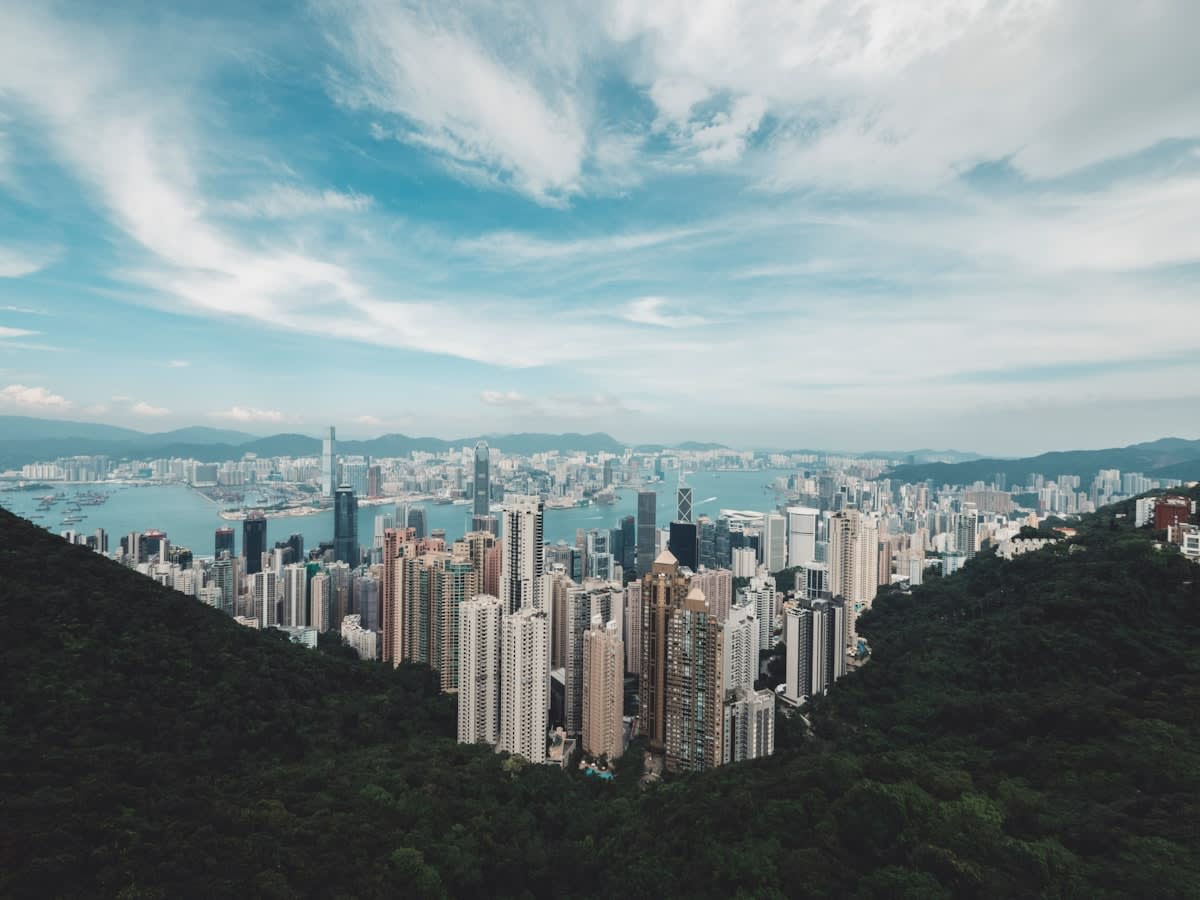
To illustrate this, consider the shift from the overcrowded canals of Venice to the winding waterways of Ljubljana, Slovenia. Both offer a romantic, water-centric European atmosphere. However, while Venice has implemented entry fees to combat overtourism—charging up to 10 Euro for day-trippers—Ljubljana remains open, breathable, and significantly more affordable. The architectural charm is present, but the stress is absent.
Global Dupe Comparison Matrix
The following table provides a snapshot of high-value alternatives across different continents. Note that the 'Value Delta' represents the estimated reduction in daily spending for accommodation and dining. These figures are not just about saving money; they are about increasing the quality of the experience by removing the 'tourist tax' prevalent in global hubs.
| Anchor Destination | The Dupe | Core Shared Appeal | Estimated Value Delta |
|---|---|---|---|
| Santorini, Greece | Milos, Greece | Volcanic cliffs, white architecture | 30-40% |
| Kyoto, Japan | Kanazawa, Japan | Samurai districts, tea houses | 20-30% |
| Amalfi Coast, Italy | Albanian Riviera | Dramatic coastline, turquoise sea | 50-60% |
| Paris, France | Budapest, Hungary | Grand boulevards, river culture | 40-50% |
| Bali, Indonesia | Lombok, Indonesia | Tropical beaches, volcanic peaks | 25-35% |
When applying this matrix, remember that the 'Value Delta' often translates into better service. In a primary destination, you are a transaction. In a dupe, you are a guest. This psychological shift is the most valuable part of the equation. When the local economy isn't entirely dependent on a million visitors a month, the hospitality becomes genuine rather than performative.
Common Pitfalls to Avoid
The most dangerous mistake a traveler can make is trusting a 'hidden gem' recommendation from a viral TikTok or Instagram Reel. The moment a location is labeled a 'hidden gem' by an influencer with a million followers, it ceases to be hidden. You are not finding a dupe; you are joining a stampede. True dupes are found through academic interest, geographic curiosity, and deep-diving into niche forums, not through algorithmic suggestions.
Another common error is underestimating the logistics. A primary destination has an airport with 50 daily flights and a thousand hotels. A dupe might require a regional flight, a four-hour bus ride, and a hotel that only accepts cash. If you are not prepared for this friction, the 'peace' of the destination will be overshadowed by the stress of the journey. Always build a 'logistics buffer' into your travel time.
Finally, avoid the 'Comparison Trap.' If you spend your entire trip in Kanazawa complaining that it isn't exactly like Kyoto, you have failed. The goal of the destination dupe is to find a place that satisfies the urge for a certain experience, not to find a carbon copy. Embrace the differences. The unique quirks of the dupe are what make the trip memorable.
By shifting your gaze away from the center of the map, you contribute to a more sustainable form of tourism. You distribute wealth to communities that aren't already overwhelmed and reduce the environmental strain on fragile ecosystems. The art of the dupe is, ultimately, the art of mindful exploration. It is a rejection of the performative nature of modern travel in favor of something far more rewarding: actual discovery.