Watch: The big test facing Badenoch after her conference speech
Source Entity
BBC News
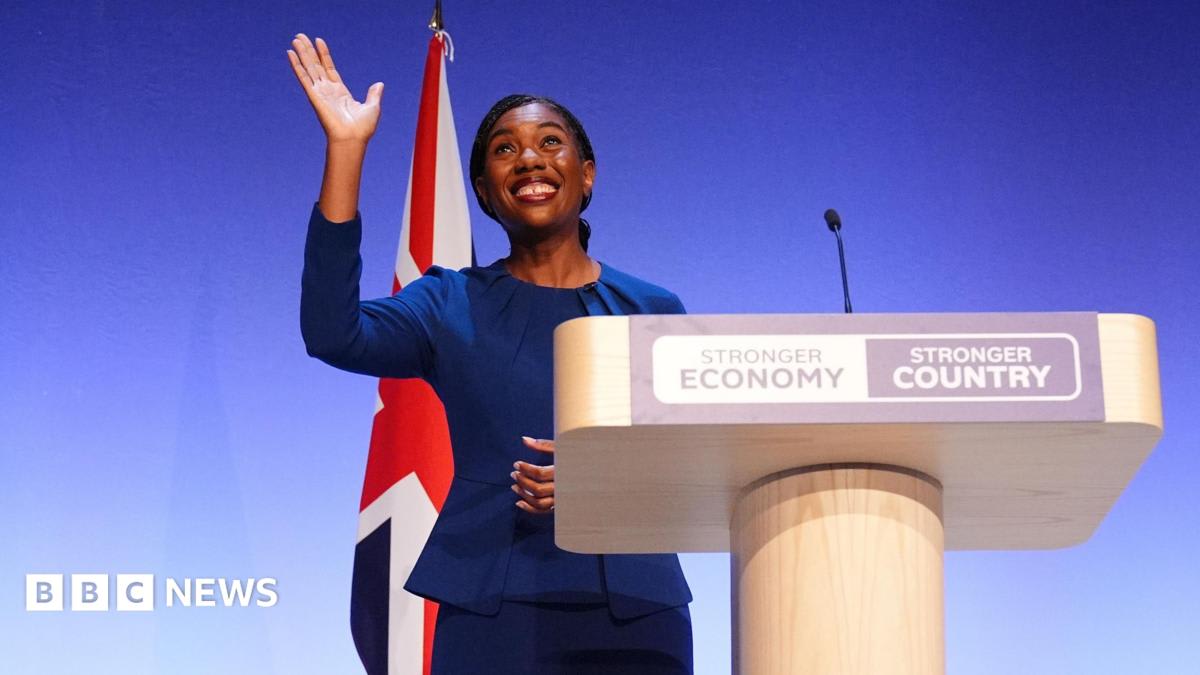
Conservative leader Kemi Badenoch is attempting to revitalize her party by framing the political landscape as a fundamental 'battle of ideas' against Labour. Despite achieving internal party unity, she faces significant challenges in closing the gap in national opinion polls.
The Strategic Pivot: Kemi Badenoch’s Vision for the Conservative Party
Conservative leader Kemi Badenoch has utilized the party’s annual conference in Birmingham to signal a major strategic shift, positioning the Conservative Party as the standard-bearer in a looming "battle of ideas." By framing the ideological divide between the Tories and the current Labour government as a conflict over the fundamental identity of the United Kingdom, Badenoch is attempting to move beyond the internal friction that plagued the party throughout the previous election cycle.
Achieving Internal Consolidation
A critical development noted at this year's conference is the apparent solidification of Badenoch’s leadership. Unlike the fractured environment of a year ago, where speculation regarding leadership challenges—specifically from rivals like Robert Jenrick—dominated the discourse, the party currently appears united. This cohesion is a vital prerequisite for Badenoch’s goal of reframing the public’s perception of the Tories, as it allows the party to present a singular, coherent message to the electorate rather than a collection of competing factions.
Policy Proposals as Ideological Markers
To substantiate this "battle of ideas," the party has begun introducing specific policy levers intended to contrast sharply with Labour's governance. The pledge of £10bn for a dedicated UK air defence system serves as a signal of the party's commitment to national security, while the proposal to cut employer National Insurance contributions for individuals aged 21 to 24 aims to address economic concerns for younger workers. These policies are not merely administrative; they are designed to define the Conservative brand as one that prioritizes both sovereignty and economic dynamism.
The Challenge of Public Perception
Despite the newfound internal harmony, the road ahead remains steep. While Badenoch’s personal approval ratings have shown signs of improvement, the Conservative Party as a whole continues to trail both Labour and Reform in national opinion polls. The party has yet to recover the electoral confidence lost during the previous cycle, and the challenge lies in translating the energy of the conference floor into tangible support among the broader voting public.
Looking Toward the Next General Election
Badenoch’s speech acted as a foundational pitch for the next general election, suggesting that the party intends to focus on deep-seated ideological differences rather than incremental policy adjustments. By framing the choice as a question of "what kind of country we want to be," she is inviting a national debate on values. The success of this approach will depend on whether the electorate feels that the Conservative platform addresses their contemporary anxieties more effectively than the current government’s agenda.
Conclusion: A Testing Period Ahead
The post-conference period represents the true test for the Conservative leadership. While Badenoch has successfully secured the party’s base, the task of winning over the wider electorate is significantly more complex. As the party moves forward, the consistency of their message and the ability to articulate a vision that resonates beyond their traditional supporters will determine if this "battle of ideas" can translate into a meaningful political comeback.