RSS defamation case: Sessions court stays proceedings against Priyank Kharge, Nalapad
Source Entity
India Latest News: Top National Headlines Today & Breaking News | The Hindu
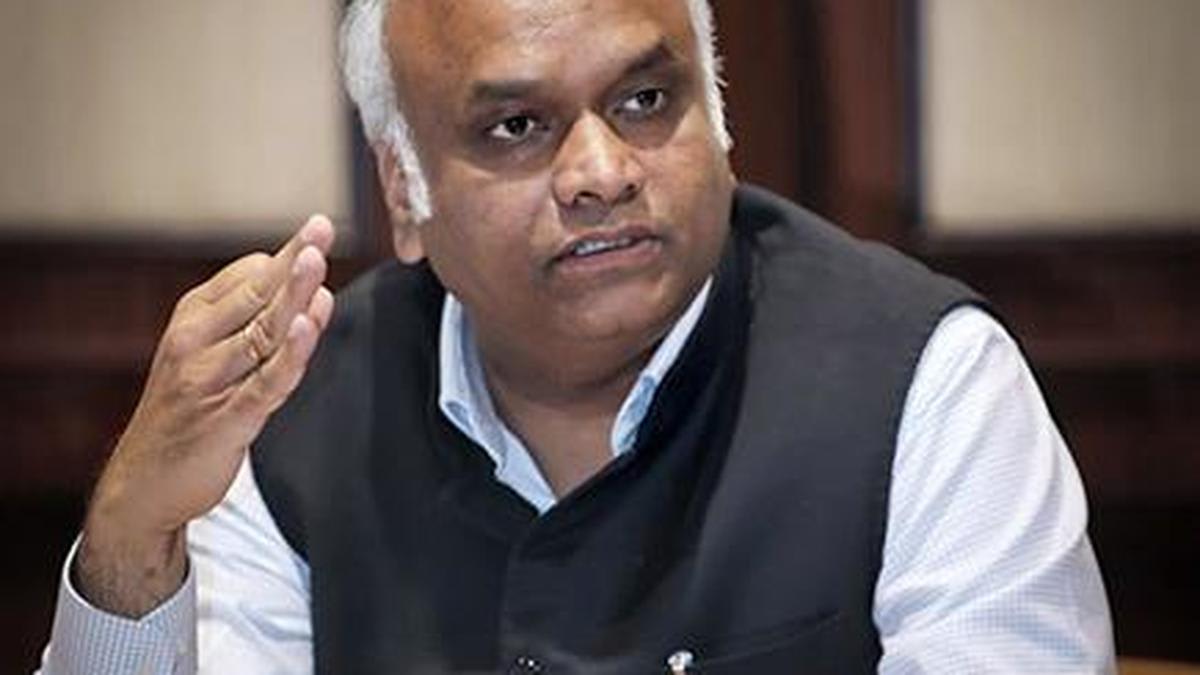
A Bengaluru sessions court has stayed criminal defamation proceedings against Karnataka Home Minister Priyank Kharge and Mohammed Haris Nalapad. The stay follows arguments that the complainant failed to provide proof of his RSS membership.
Legal Stays in High-Profile Defamation Case
A special court of sessions in Bengaluru has issued a significant stay on criminal defamation proceedings against Karnataka Home Minister Priyank Kharge and Mohammed Haris Nalapad. This legal development arises from a complaint initially lodged by a Bengaluru-based Rashtriya Swayamsevak Sangh (RSS) member, identified as Tejas A., which alleged defamation under Section 356 of the Bharatiya Nyaya Sanhita (BNS).
The Basis of the Judicial Intervention
The primary impetus for this stay, granted by Judge Shivaprasad K.B., centers on a procedural dispute regarding the complainant's standing. During the hearings, defense counsel argued that the complainant failed to produce substantive material or documentation to establish his formal membership in the RSS. This lack of evidence was central to the petitions filed by Kharge and Nalapad, who challenged the magistrate’s June 27 decision to take cognizance of the offence.
Implications for Political Litigation
This case highlights the growing intersection of political discourse and the utilization of criminal defamation laws in India. By staying the proceedings, the sessions court has signaled a requirement for rigorous scrutiny before moving forward with cases involving public figures. The shift from the Indian Penal Code to the Bharatiya Nyaya Sanhita (BNS) adds a layer of complexity to how such defamation claims are adjudicated, particularly when the identity and organizational affiliation of a complainant are questioned.
Challenges to Judicial Cognizance
The magistrate’s original decision to take cognizance of the case had placed the accused—a sitting minister and a prominent political figure—under immediate legal pressure. By seeking relief in the sessions court, the petitioners effectively paused the momentum of the criminal complaint. The issuance of a notice to the complainant, Tejas A., indicates that the court intends to thoroughly investigate the validity of his claims before allowing the prosecution to proceed further.
Future Trajectory and Judicial Oversight
As the legal process unfolds, the burden of proof remains a critical hurdle for the complainant. If the complainant cannot definitively prove his association with the organization he claims to represent, the foundational basis of the defamation suit may be irreparably weakened. This case serves as a reminder of the procedural safeguards within the Indian judicial system designed to prevent the misuse of defamation statutes against political actors.
Conclusion
In summary, the decision to stay proceedings marks a pivotal moment in this ongoing legal battle. It underscores the necessity for complainants to establish clear standing before a court can proceed with criminal defamation charges. The outcome will likely influence how future defamation complaints against public officials are handled, emphasizing the role of the judiciary in filtering claims that lack verifiable evidence.
Verification Required?