Top Court Refuses To Interfere With Bail Order For Congress Nandigram Candidate
Source Entity
NDTV News Search Records Found 1000
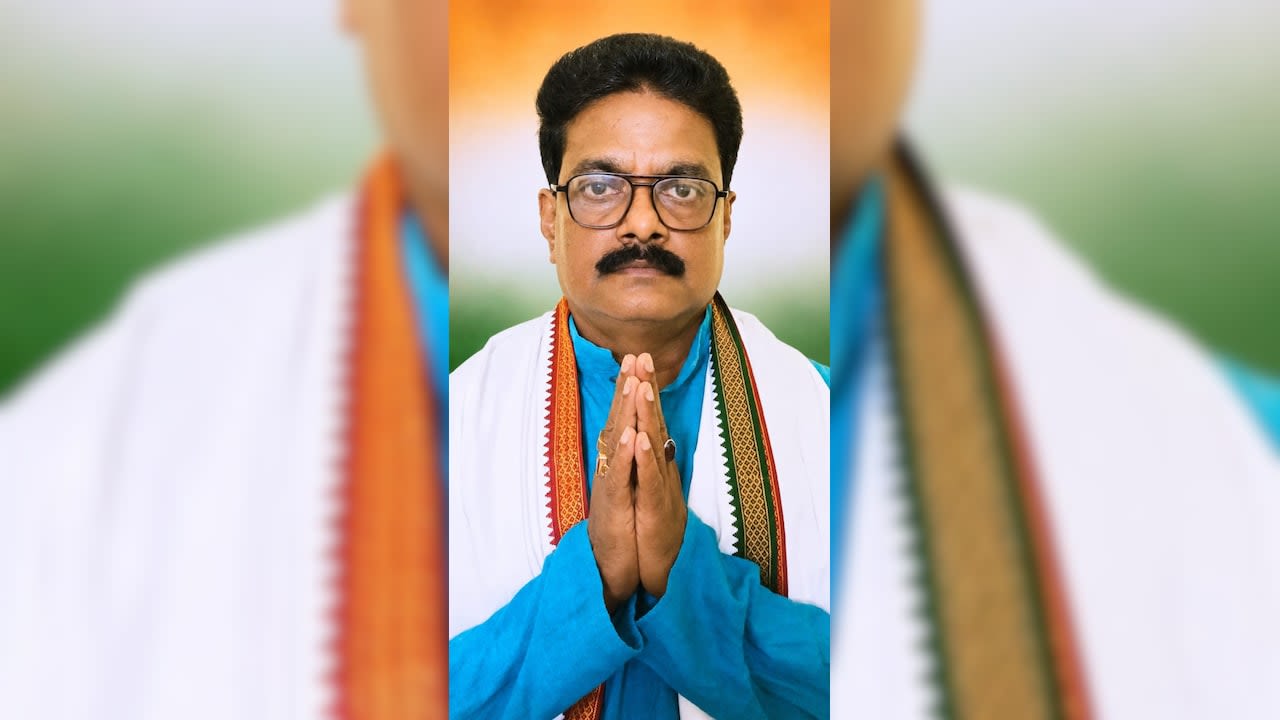
The Supreme Court has declined to challenge the interim bail granted to Congress Nandigram candidate Milan Pradhan. The bail remains valid until October 20, with further legal proceedings regarding his criminal cases deferred to the Calcutta High Court.
Supreme Court Upholds Interim Bail for Nandigram Candidate
In a recent judicial development, the Supreme Court of India has refused to intervene in the interim bail granted to Milan Pradhan, the Congress party’s candidate for the Nandigram bypoll. The decision, delivered by a bench led by Chief Justice of India Surya Kant, maintains the status quo established by the Calcutta High Court on September 29, which had initially granted the candidate temporary relief.
Context of the Legal Dispute
Milan Pradhan’s legal predicament is rooted in a series of serious criminal allegations. He is currently facing six non-bailable warrants related to six distinct criminal cases, which include grave charges such as murder and attempt to murder dating back to the 2007 unrest in Nandigram. The timing of his arrest on September 18 was particularly noteworthy, occurring mere hours after the Trinamool Congress (TMC) withdrew its candidate and party chief Mamata Banerjee extended support to the Congress contender.
Judicial Restraint and Procedural Scope
By declining to interfere with the lower court's decision, the Supreme Court has emphasized the importance of procedural hierarchy. The bench explicitly stated that the interim bail is set to expire on October 20. Furthermore, the court clarified that the West Bengal government, which sought to challenge the bail, is free to raise its objections before the Calcutta High Court should Pradhan apply for regular bail or an extension of his current interim status.
Maintaining Neutrality in High-Stakes Politics
Crucially, the Supreme Court took pains to ensure that its refusal to intervene is not interpreted as a validation of the candidate's character or a dismissal of the severity of the charges against him. The bench underscored that its order should not be viewed as an expression of opinion regarding the merits of the criminal cases. This move reflects the judiciary's commitment to maintaining a neutral stance in politically sensitive electoral contests, ensuring that the legal process remains distinct from the political narrative surrounding the Nandigram bypoll.
Implications for the Nandigram Bypoll
This development places the focus squarely back on the Calcutta High Court, which will now be the primary venue for addressing the legal viability of Pradhan’s candidacy in light of his pending criminal charges. As the October 20 deadline approaches, the legal maneuvers will undoubtedly continue to influence the political atmosphere in Nandigram. The case serves as a poignant reminder of the complex intersection between criminal jurisprudence and electoral politics in India, where legal challenges often run parallel to the democratic process.
Verification Required?