The Illusion of the Authentic Escape
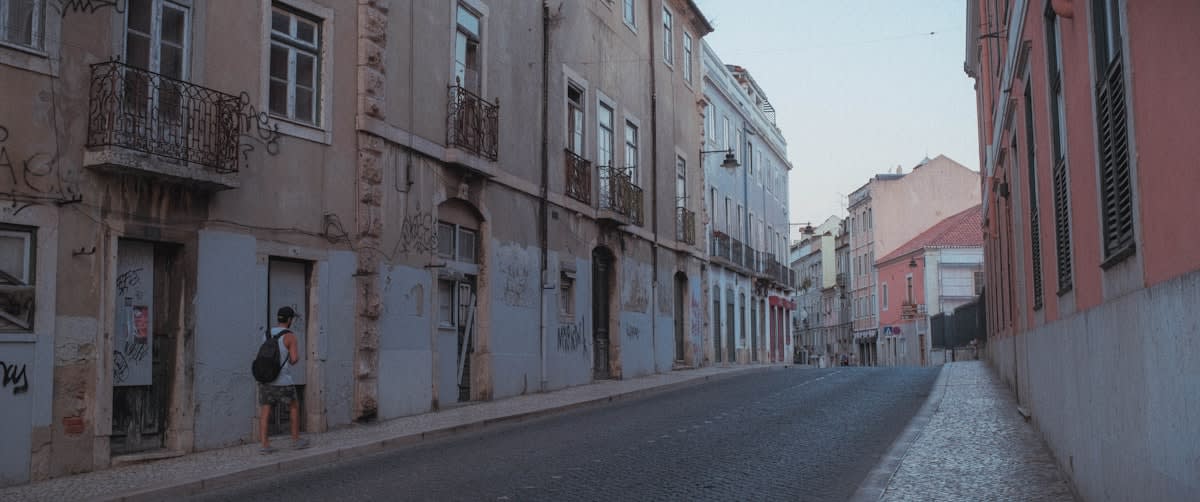
We have been sold a lie about the digital nomad lifestyle. The narrative suggests a symbiotic relationship where the remote worker brings foreign capital to a local economy while absorbing the authentic essence of a new culture. In reality, the systemic shift is far more clinical. When a critical mass of high-earning remote professionals descends upon a neighborhood in Lisbon, Mexico City, or Bali, they do not integrate into the existing social fabric. Instead, they inadvertently flatten it. They seek a specific set of amenities—high-speed fiber optic internet, specialty coffee, and ergonomic seating—which triggers a rapid commercial pivot. The local bakery that served the neighborhood for forty years doesn't just close; it is replaced by a minimalist cafe that looks identical to one in Brooklyn or Berlin.
Why does this happen? It is the result of the Arbitrage Economy. The digital nomad earns in a strong currency—usually USD, EUR, or GBP—while spending in a local economy with lower overhead. This creates an artificial inflation bubble that the local population cannot possibly compete with. Landlords realize they can make three times the monthly rent by converting a family apartment into a short-term rental for a software engineer from San Francisco. The result is a hollowed-out center. The 'soul' of the city, which was the primary draw for the nomads in the first place, is systematically evicted to make room for the infrastructure required to support the nomads themselves.
From Living Cities to Service-Nodes
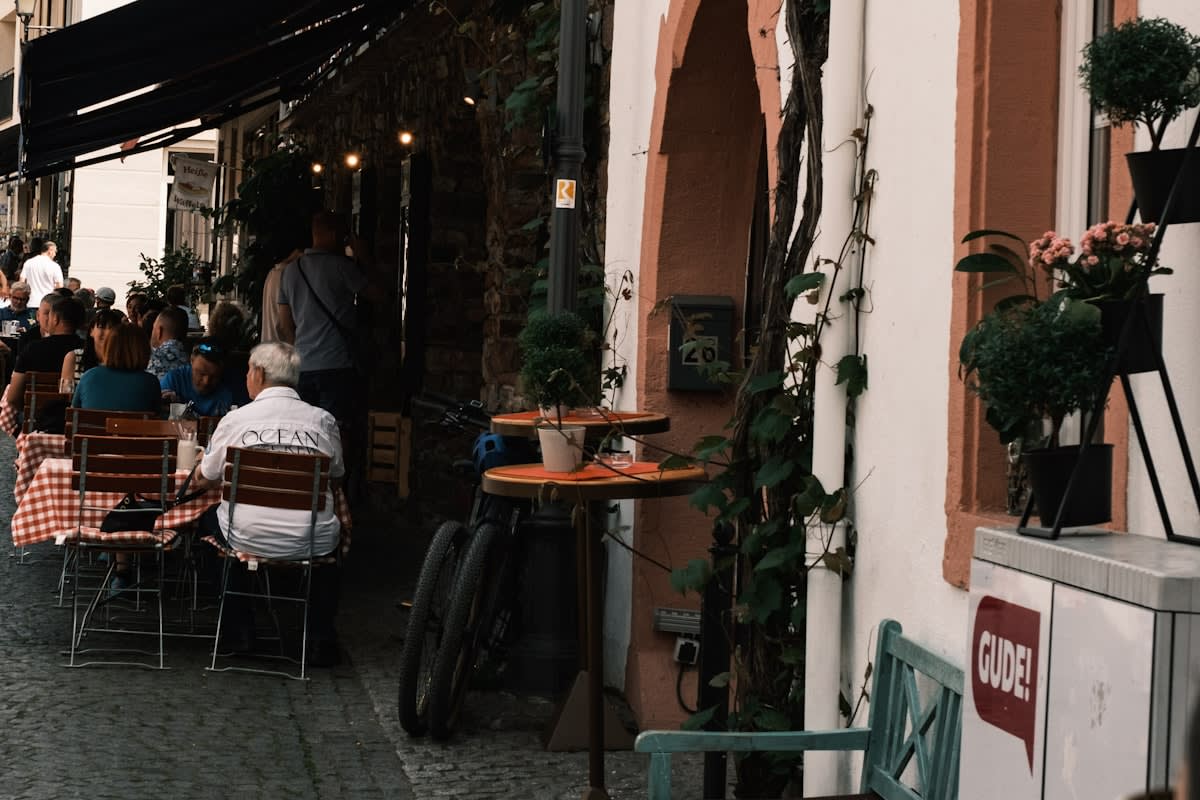
We are witnessing the transition of cities from living organisms into Service-Nodes. A Service-Node is a geographical location optimized specifically for the productivity and leisure of a transient, high-income class. In these zones, the local culture becomes a performance—a curated experience sold as a commodity. The street food vendor is no longer feeding the community; they are providing an 'authentic experience' for a visitor who will leave in three months. This creates a psychological decoupling. The nomad feels they are living locally, but they are actually living in a bubble of curated convenience that floats above the actual city.
Is this a crisis? Not necessarily. To view this as a tragedy is to ignore the history of urban evolution. Cities have always been shaped by the dominant economic force of the era. The shift toward remote-work hubs is simply the latest iteration of this process. The real question is whether these cities can adapt their governance to capture the value created by this influx without sacrificing their social cohesion. Many municipalities are already experimenting with digital nomad visas, attempting to formalize the tax contributions of these transients to fund the very infrastructure that is being strained by their presence.
The Analyst's Take
The 'Ghost City' effect isn't about empty buildings. It is about buildings filled with people who have no stake in the long-term survival of the community they inhabit.
Consider the spatial redistribution of wealth. When a nomad hub forms, the economic benefit is rarely distributed evenly. It clusters around the 'Nomad Corridor'—the few blocks containing the co-working spaces and trendy eateries. Outside this corridor, the city often remains stagnant or declines as resources are diverted to cater to the high-spending minority. This creates a fragmented urban geography: a polished, high-tech core surrounded by a neglected periphery. The tension is not between people, but between two different speeds of economic reality existing in the same zip code.
"The tragedy of the modern nomad hub is that it consumes the very authenticity it seeks to find, leaving behind a polished mirror of the West."— Urban Sociologist, Global Cities Initiative
This brings us to the concept of the Mirror City. As nomads move from one hub to another, they carry a set of expectations that force these cities to mirror one another. Whether you are in Chiang Mai, Medellin, or Madeira, you will find the same sourdough bread, the same 'wellness' studios, and the same aesthetic of white walls and potted monstera plants. This is the death of regionality. When the environment becomes standardized, the destination ceases to matter. The city becomes a backdrop, a mere setting for a Zoom call, rather than a place of genuine encounter.
| Metric | Traditional Tourism | Digital Nomadism | Local Residency |
|---|---|---|---|
| Avg. Stay Duration | 3-14 Days | 3-12 Months | Permanent |
| Economic Impact | High-Burst/Low-Depth | Moderate-Steady/High-Arbitrage | Cyclical/Integrated |
| Infrastructure Demand | Hotels/Transport | High-Speed Net/Co-living | Schools/Healthcare |
| Cultural Footprint | Observational | Performative/Parallel | Generative |
| Housing Pressure | Low (Hotel centric) | High (Residential conversion) | Baseline |
The data suggests a fundamental mismatch in infrastructure priority. While traditional tourists use hotels, nomads move into the residential market. This is the primary trigger for the 'Ghost City' effect. When residential apartments are converted into mid-term rentals, the local workforce—the baristas, the teachers, the nurses—can no longer afford to live near their workplaces. We are creating cities where the people who keep the city running cannot afford to reside within it, while the people who reside within it do not actually work for the city.
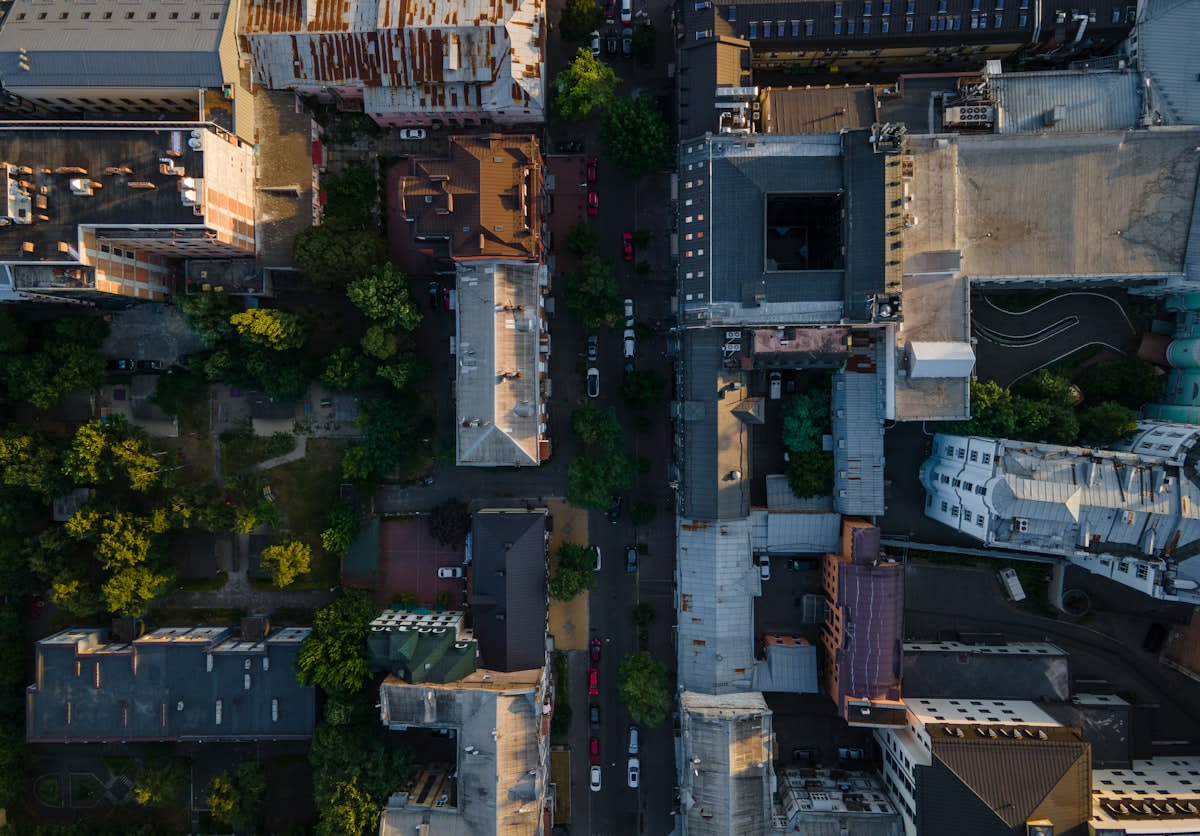
However, there is a path toward resilience. The most successful hubs are those that move beyond the 'welcome mat' phase and implement strategic integration. This means moving from passive acceptance to active management. Some cities are introducing zoning laws that limit the density of short-term rentals in specific historic districts, forcing nomads to move into under-developed areas and spreading the economic benefit. Others are incentivizing nomads to engage in 'skill-sharing'—trading their professional expertise in marketing or tech for local integration, transforming the relationship from purely extractive to collaborative.
The resilience of a city lies in its ability to absorb external shocks without losing its core identity. The digital nomad wave is a shock, but it is also an opportunity to modernize urban infrastructure and diversify the economic base. If a city can leverage the high-spending power of the remote class to fund public spaces and affordable housing, the 'Ghost City' effect can be reversed. The goal should not be to stop the influx, but to ensure that the nomad is a citizen of the city for the duration of their stay, rather than a consumer of its aesthetic.
The Correlation Between Nomad Density and Local Rent Inflation
Executive Insight
+18.4%
YTD Growth
Ultimately, the 'soul' of a city is not a static artifact to be preserved in amber; it is a living process of negotiation between residents and newcomers. The danger is not the nomad, but the standardization of the experience. When we optimize our cities for the 'global remote worker,' we risk erasing the very idiosyncrasies that make travel meaningful. The future of urban geography will be defined by whether we build cities that are merely convenient for the world's most mobile people, or cities that remain rooted in their own unique soil while welcoming the world.