Centre urges Nagari powerloom units to register on new TSRS portal by September 30
Source Entity
India Latest News: Top National Headlines Today & Breaking News | The Hindu
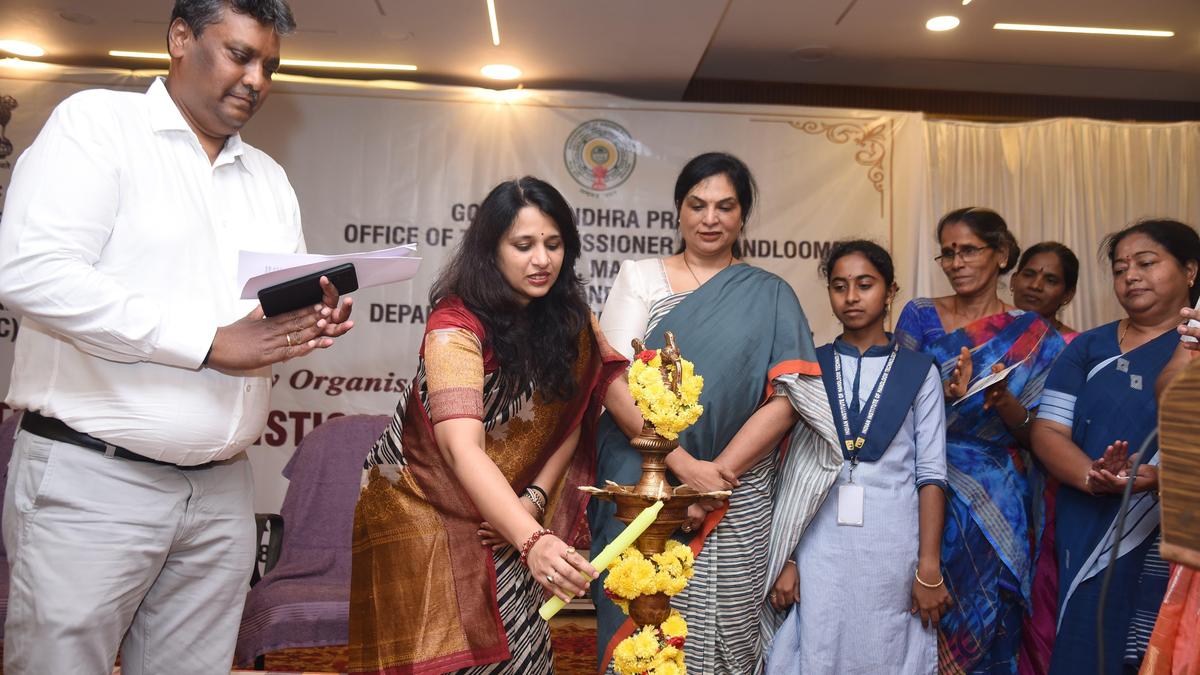
The Indian government has mandated that powerloom units in Nagari register on the new Textile Statistical Returns System (TSRS) portal by September 30. This initiative aims to streamline data collection to improve policy formulation and resource allocation for the textile sector.
Central Government Streamlines Textile Data via TSRS Portal
In a significant move to modernize the administrative framework of India’s textile industry, the Union Government has issued a directive requiring powerloom units in Nagari, Chittoor district, to register on the revamped Textile Statistical Returns System (TSRS) portal by September 30. This initiative, spearheaded by the Commissioner for Textiles, Vrunda Manohar Desai, represents a strategic shift toward digital governance in a sector that remains a cornerstone of India’s rural economy.
The Importance of Data-Driven Policy
During a recent workshop attended by industry stakeholders and government officials, the necessity of the TSRS portal was underscored as a tool for precision in policy-making. By requiring cotton trading, ginning, pressing, and spinning units to submit monthly and annual statistical returns online, the government aims to eliminate the information asymmetry that has historically hampered the textile sector. Reliable data is essential for the Ministry of Textiles to effectively allocate subsidies, manage supply chains, and identify areas requiring infrastructural intervention.
Impact on the Nagari Textile Hub
Nagari’s textile landscape is substantial, with government records indicating the presence of approximately 3,438 powerloom units operating nearly 13,000 looms. The town also hosts 50 dyeing units and 34 sizing units, contributing significantly to the production of cotton churidar fabrics. The transition to the TSRS portal is designed to integrate these localized operations into a national database, ensuring that the specific needs of Nagari’s weavers are accurately reflected in central government planning.
Collaborative Implementation
The workshop served as a bridge between the Ministry of Textiles, the Department of Handlooms and Textiles from Guntur, and local powerloom associations. By engaging directly with local stakeholders, the Commissioner for Textiles is attempting to ensure a smooth transition to the new system. Compliance with the September 30 deadline is not merely a bureaucratic requirement; it is a prerequisite for units to remain eligible for future government-led benefits and support schemes.
Future Trends in Textile Governance
This digital push suggests a broader trend toward the formalization of the informal textile sector. As the government moves to digitize statistical returns, it creates a pathway for better credit access, improved market linkages, and more transparent pricing mechanisms. If the implementation in Nagari proves successful, the TSRS portal could serve as a model for standardizing data collection across other textile clusters in India, ultimately strengthening the country's competitive advantage in the global cotton market.
Verification Required?