Adopt scientific approach for sustainable housing projects: MoHUA official
Source Entity
TOI REAL ESTATE DESK
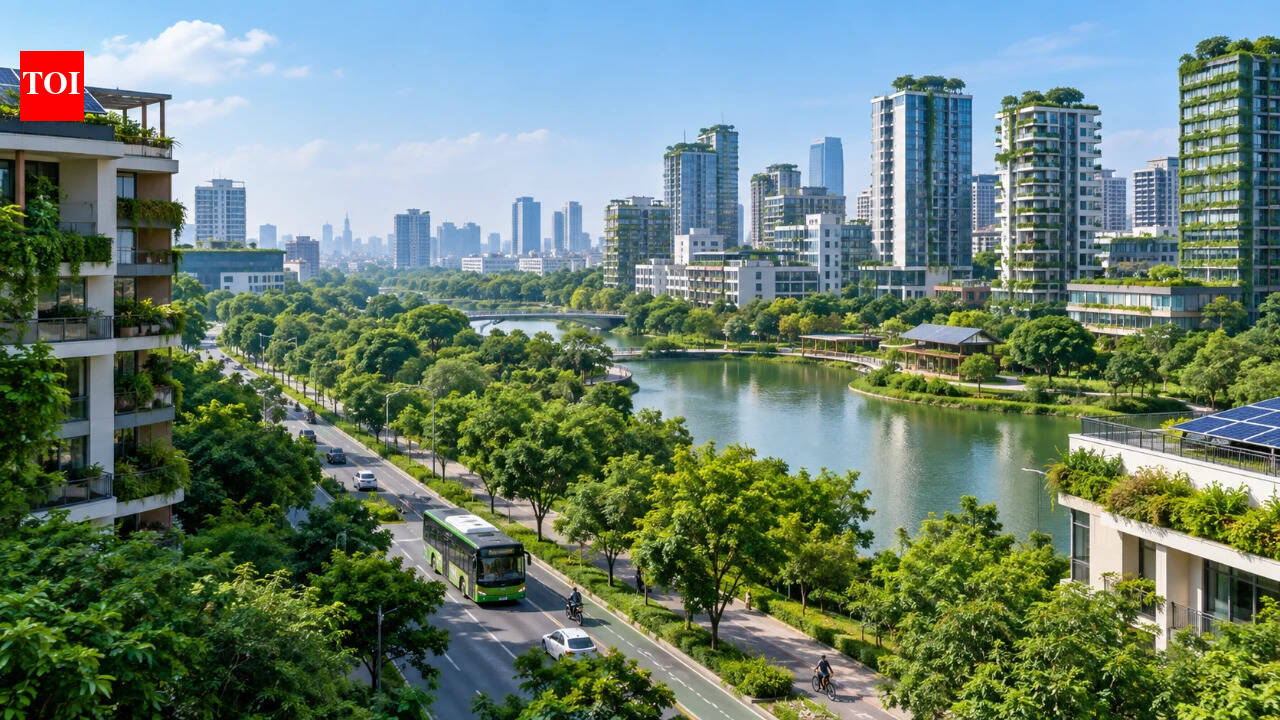
MoHUA Secretary D Thara has urged real estate developers to integrate scientific, sustainable practices into urban housing projects. The initiative emphasizes green infrastructure, water management, and environmental accountability to address modern urban challenges like flooding.
Redefining Urban Development: A Call for Scientific Rigor
In a recent address to industry leaders at an Assocham conference, D Thara, Secretary of the Ministry of Housing and Urban Affairs (MoHUA), issued a clarion call for a fundamental shift in how India’s real estate sector approaches urban development. The core of her message centers on the transition from profit-driven construction to a scientific, ecosystem-conscious model of housing. By urging developers to prioritize water management and environmental infrastructure, the ministry is signaling that future urban growth must be fundamentally sustainable to remain viable.
The Imperative of Environmental Infrastructure
The ministry’s focus on water recycling, rainwater harvesting, and sewage treatment plants (STPs) is a direct response to the increasing environmental strain on metropolitan regions. Thara highlighted the glaring lack of foresight in current development models, specifically pointing to the recurrent flooding issues in Delhi and Gurugram during monsoon seasons. The argument is clear: expensive housing projects that disregard the surrounding hydrological and environmental realities are not just unsustainable; they are a liability to the cities they occupy.
Accountability and the Ecosystem Approach
Beyond technical specifications, the ministry is demanding a higher degree of accountability from real estate developers. Thara emphasized that developers must take full responsibility for the ecosystems they create, moving away from the 'build and exit' mentality. This includes a more rigorous assessment of building materials and safety standards. By integrating green spaces and robust infrastructure, developers are expected to function as stewards of the urban landscape rather than mere providers of square footage.
Alignment with Delhi Master Plan 2047
The government’s vision, as reflected in the Delhi Master Plan 2047, serves as the long-term roadmap for this transformation. This policy framework aims to balance the urgent need for affordable housing with the necessity of sustainable urban planning. The MoHUA’s commitment to addressing industry feedback suggests a collaborative approach, where innovation is incentivized, provided it aligns with the broader goals of environmental resilience and infrastructure adequacy.
Future Trends in Sustainable Real Estate
As the industry pivots toward these standards, we can expect a shift in market dynamics. Future real estate projects will likely be evaluated not just by their location or luxury amenities, but by their 'scientific score'—their ability to manage resources, mitigate flood risks, and contribute to the city’s green cover. The ministry’s stance implies that regulatory compliance will increasingly favor projects that demonstrate environmental foresight, potentially leading to a new era where sustainability becomes a core competitive advantage in the Indian real estate market.