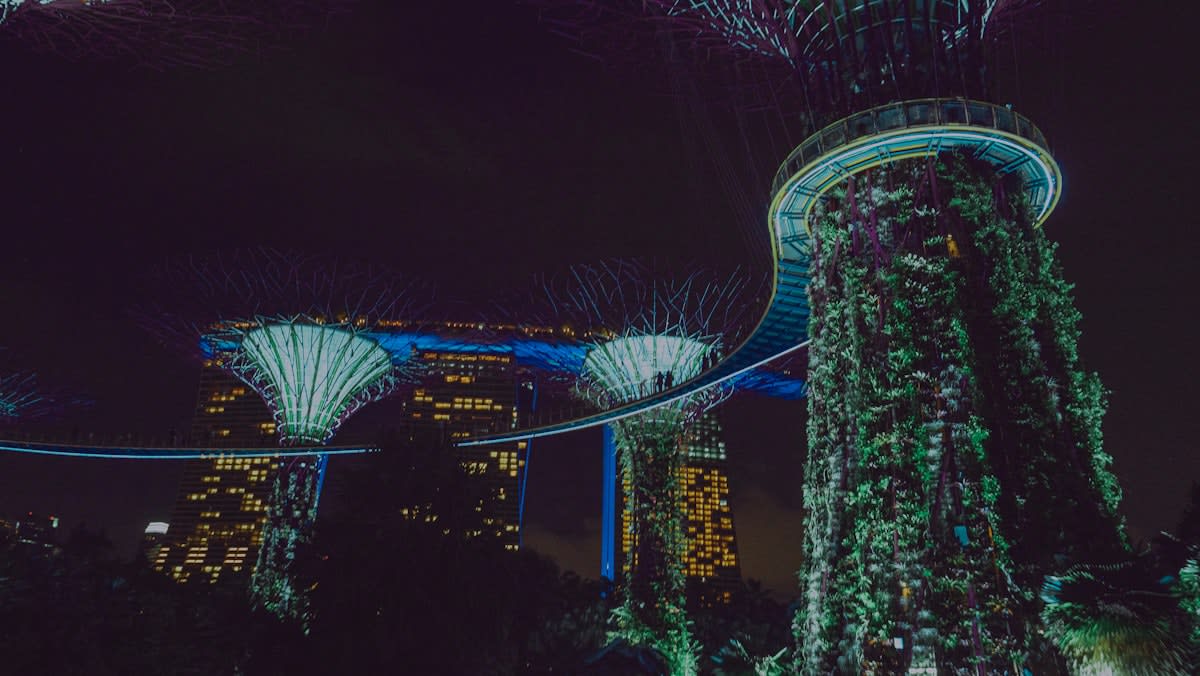
We have been taught to believe that price equals prestige. In the traditional real estate playbook, a soaring valuation in a metropolitan center signaled desirability, growth, and a thriving community. But look closer at the modern skyline and you will see a different story. We are witnessing the rise of the Capital Mirage: high-value real estate that exists primarily as a ledger entry rather than a living space. Why are the world's most expensive square meters becoming uninhabitable? Because the primary user of these spaces is no longer a human being, but a diversified portfolio.
This is not a localized glitch or a temporary market dip. It is a systemic shift. Real estate has transitioned from a utility—a place to live and work—into a high-yield asset class for institutional giants. When a home is bought not for its proximity to a park but for its projected quarterly return, the incentive to maintain its livability vanishes. The result is a paradox where property values climb while the actual quality of urban life stagnates or decays.
The Institutional Engine of Vacancy
The scale of this financialization is staggering. Consider the momentum of private credit and institutional funding. Ares Management, a titan in this space, reported a record fundraising of $36 billion in the second quarter of 2026 alone. This is not money intended for community development or affordable housing. It is capital designed for aggressive deployment. In that same quarter, the firm deployed $35.9 billion across U.S. and European direct lending, real estate, and alternative credit strategies. When this much capital floods the market, it drives prices far beyond the reach of local wages.
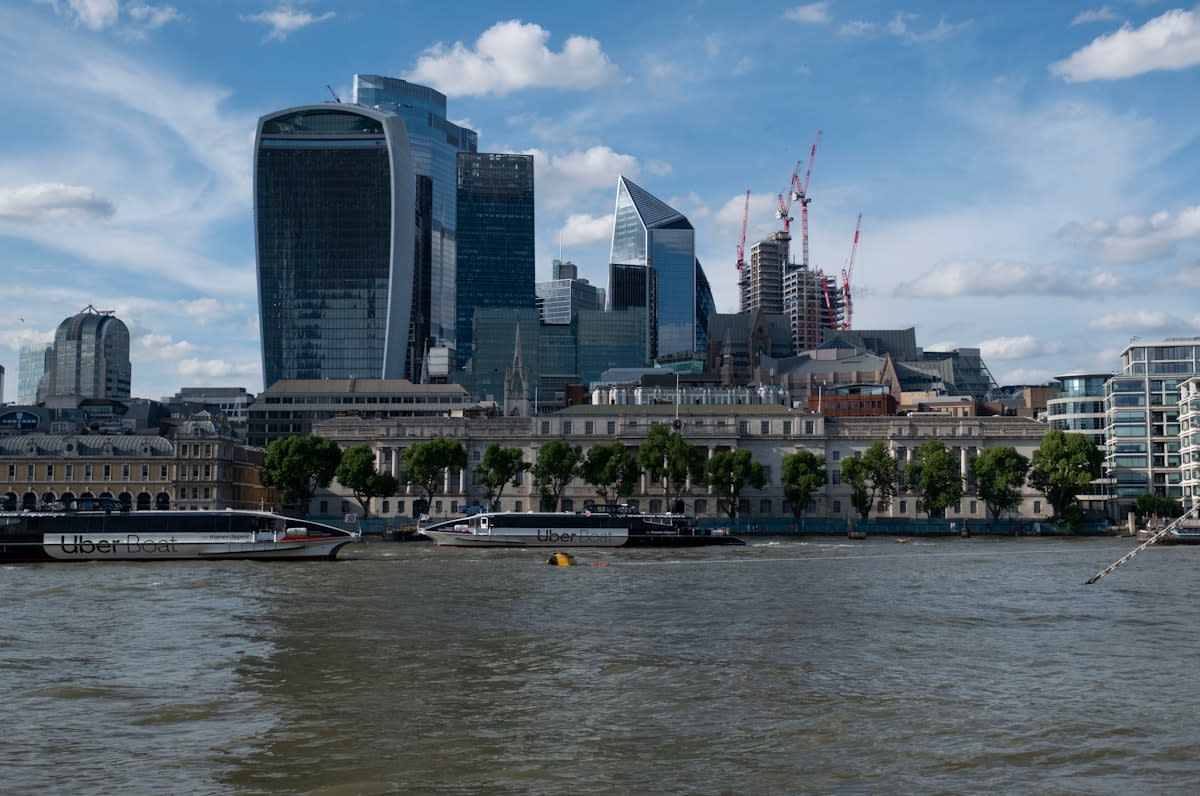
The most alarming figure is not what has been spent, but what is waiting in the wings. Ares reported uninvested capital jumping 13% to a record $170 billion. This 'dry powder' creates a permanent upward pressure on prices. Institutional investors aren't looking for a cozy neighborhood; they are looking for asset classes that hedge against inflation. By treating single-family homes and luxury condos as financial instruments, they effectively strip the 'home' out of housing, leaving behind sterile shells that serve as wealth stores for the global elite.
"Institutional investment in residential real estate has become a focal point of the current housing affordability crisis, as low inventory and high prices push residents out of their own cities."— Reuters, Practical Law The Journal
Is this sustainable? Hardly. We are seeing a growing friction between capital accumulation and civic stability. In the United States, legislators at both federal and state levels are finally attempting to curb the purchase of single-family homes by institutional investors. This regulatory pushback is a delayed reaction to a market that has already been distorted. The struggle is no longer about zoning laws; it is a battle over who owns the right to occupy the city.
This shift creates a vacuum of livability. When institutional owners prioritize short-term yield or long-term capital appreciation over tenant satisfaction, the physical environment suffers. Maintenance is deferred, community spaces are monetized, and the organic soul of the neighborhood is replaced by a corporate management structure.
The Livability Pivot: Beyond the Price Tag
While the financial centers are hollowing out, a new paradigm of value is emerging. The focus is shifting from 'prestige locations' to 'livable ecosystems.' Research into real estate economics and livability suggests that the next wave of successful urban development will not be driven by speculation, but by green development and smart city initiatives. The goal is no longer just to build high, but to build low-carbon and sustainable.
We see a significant disparity in how settlements develop. Areas near urban centers and major transportation routes typically show better development, but there is a fascinating counter-trend. A small number of rural settlements, even those in mountainous areas distant from city centers, are achieving high development scores. Why? Because they offer the one thing the institutional ghost cities cannot: a genuine quality of life.
| Metric | Institutional Portfolio Model | Livable Ecosystem Model |
|---|---|---|
| Primary Driver | Capital Appreciation / Yield | Sustainability / Livability |
| Occupancy Goal | Asset Preservation | Community Density |
| Key Infrastructure | Financial Hubs / Luxury Retail | Green Spaces / Smart Transit |
| Value Indicator | Market Valuation (Price/sqm) | Low-Carbon Development Score |
| Risk Factor | Regulatory Crackdowns | Geographic Isolation |
The transition to smart cities is not merely a technological upgrade; it is a survival strategy. Collaborative governance among multiple stakeholders is now the key to successful urban green development. By focusing on demand-driven initiatives and cost-benefit considerations, cities can move away from the 'ghost city' model and toward environments that actually support human life.
However, this transition is not equitable. Urban residential segregation is moving into a new stage of diversification and depth. As the wealthy retreat into 'green fortresses' and institutions hoard the remaining luxury shells, the average resident is pushed further to the margins. The interplay of population types and residential segregation requires a comprehensive solution that transcends simple zoning changes.
The Strategic Edge
The real opportunity in today's market isn't in buying the most expensive zip code. It's in identifying where infrastructure, green energy, and population growth intersect before the institutional money arrives to sterilize the area.
Identifying the Next Frontier
For the savvy observer, the collapse of the 'prestige' model is an opening. To identify emerging trends in real estate, one must look beyond the headlines of record-breaking sales. The real indicators are underlying factors: new infrastructure, zoning changes, and shifts in demographics. The most successful investors are those who recognize the early signs of change—population growth and employment shifts—before these trends become competitive.
- Analyze population and employment growth patterns rather than current price peaks.
- Monitor zoning changes that favor mixed-use, low-carbon development over luxury silos.
- Track the movement of 'smart city' infrastructure investments.
- Evaluate the actual livability scores of rural and peri-urban settlements.
This is the contrarian path. While the masses chase the ghost cities of the future—the shiny, expensive, and empty towers—the strategic analyst looks for the organic growth. The value is shifting from the asset itself to the ecosystem surrounding the asset. A property in a low-carbon, smart-governed community will eventually outperform a luxury condo in a sterile financial district.
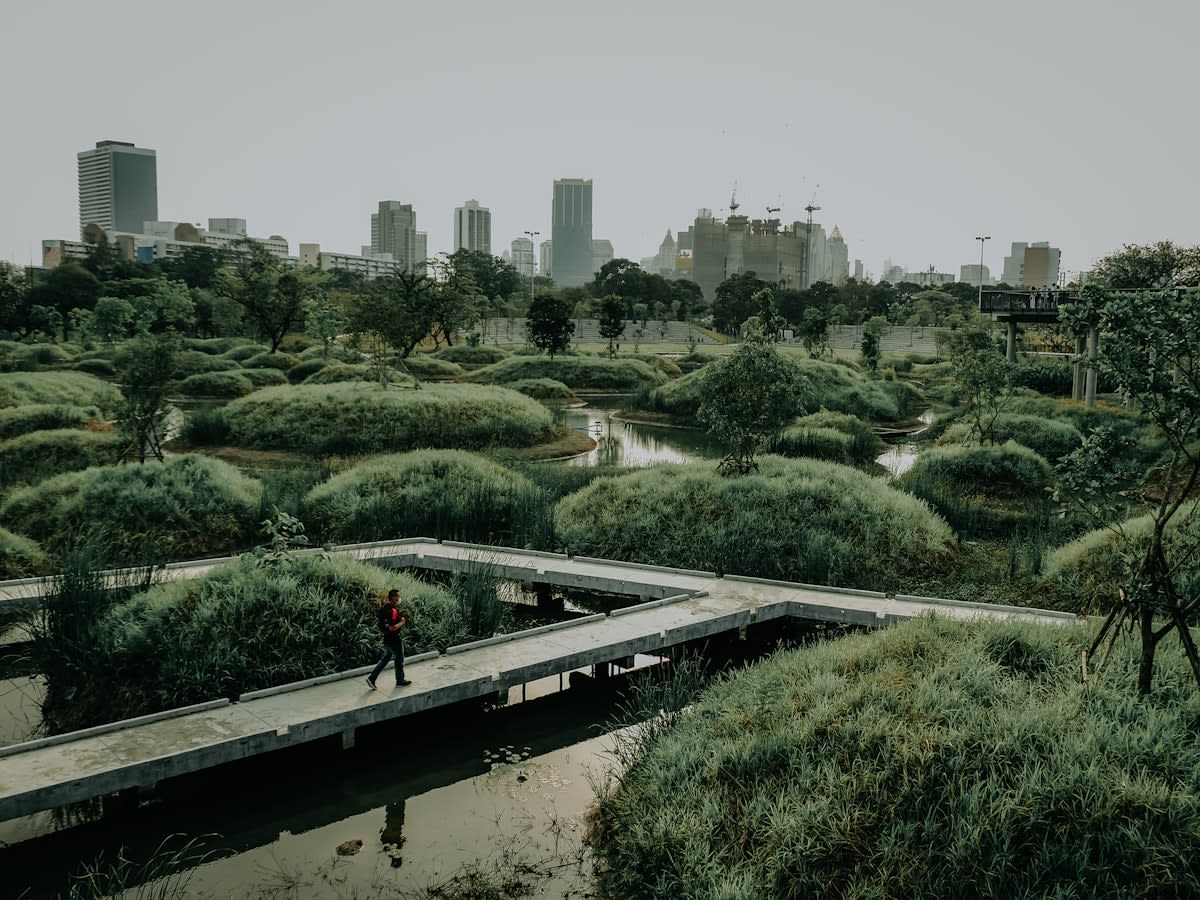
The Ghost City Paradox is a warning. It tells us that when we decouple the price of land from the utility of living, we create a fragile system. The $170 billion in uninvested capital held by firms like Ares represents a massive force that can either continue to hollow out our cities or be redirected toward the green, sustainable development mentioned in recent economic research. The choice depends on whether we value the ledger or the street.
Ultimately, the world's most expensive real estate is becoming uninhabitable because it was never designed for humans. It was designed for capital. The resilience of our future cities depends on our ability to re-humanize the urban environment, prioritizing low-carbon development and inclusive governance over the sterile pursuit of yield.