
The street is no longer just a conduit for combustion engines; it has become the primary site of a global ideological war. For decades, urban planning followed a predictable, car-first liturgy that pushed pedestrians to the margins and sliced neighborhoods into isolated islands of asphalt. Now, we are witnessing a visceral reversal. Cities are not just adding a few crosswalks; they are fundamentally redesigning the geometry of the urban experience to prioritize the human stride over the internal combustion engine.
The delta between 2023 and 2024 is striking. Twelve months ago, many pedestrian-only zones were viewed as temporary pandemic-era experiments—pop-up plazas and 'streeteries' designed to save dying restaurants. Today, these interventions have been institutionalized. What began as emergency tactical urbanism has evolved into permanent legislative mandates. We have moved from the 'temporary trial' phase to the 'structural overhaul' phase, with municipal governments now codifying walkability into their long-term master plans.
The Architecture of Proximity
At the heart of this pivot is the '15-minute city' concept, most aggressively championed in Paris. The premise is simple yet radical: every resident should have their essential needs—work, groceries, health care, and education—within a fifteen-minute walk or bike ride from their front door. This isn't about restricting movement; it is about expanding access. By decentralizing services, cities are reducing the crushing pressure on central business districts and reviving the dormant vitality of residential neighborhoods.
"The goal is to move away from the city of functions, where we live in one place and work in another, toward a city of experiences where the street is the living room of the community."— Urban Planning Lead, Paris Municipal Office
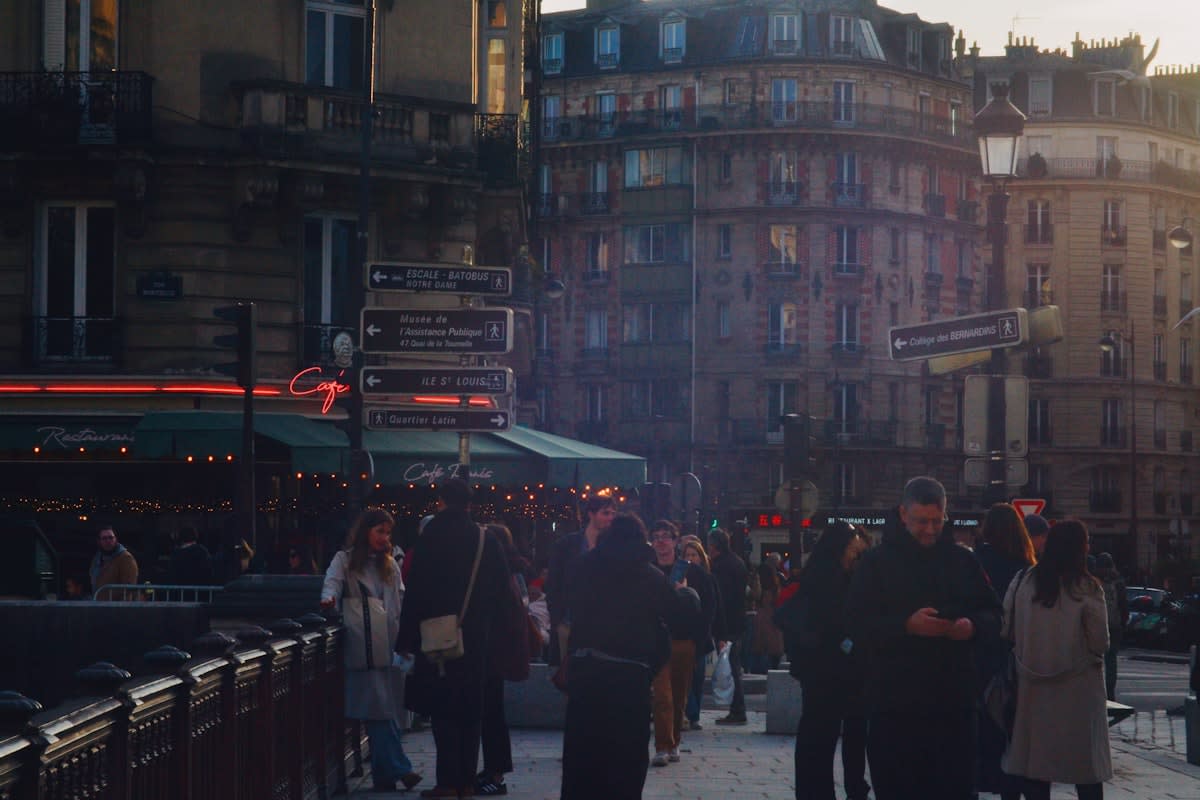
Does this model scale? In Seoul, the restoration of the Cheonggyecheon stream replaced a highway with a linear park, proving that removing car infrastructure doesn't kill a city—it breathes life back into it. The economic data supports this. Pedestrianized zones consistently see a spike in retail foot traffic and higher per-square-meter commercial value. When people walk, they stop; when they stop, they spend. The math is simple, and developers are finally noticing.
This shift is creating a new hierarchy in real estate valuation. The 'Walk Score' has transitioned from a niche metric for millennials to a primary driver of property premiums.
The Superblock Strategy and the Data of Breath
Barcelona has taken this obsession a step further with its 'Superilles' or Superblocks. By grouping nine city blocks and restricting through-traffic to the perimeter, the city has reclaimed the interior streets for residents. This isn't just about aesthetics; it is a public health intervention. The results are quantifiable: NO2 levels in Superblock areas have dropped by as much as 25%, and noise pollution has plummeted, transforming stressful transit zones into quiet, green plazas.
| Metric | Car-Centric Model | Walkable/Superblock Model |
|---|---|---|
| Average NO2 Levels | High (Baseline) | 25% Reduction |
| Retail Footfall | Moderate (Pass-through) | 30% Increase |
| Public Green Space | Fragmented/Low | Integrated/High |
| Average Noise Level | 70-80 dB | 50-60 dB |
The friction, however, is political. The transition is often framed as a 'war on cars,' a narrative fueled by those who view the private vehicle as a symbol of freedom. But the actual freedom being discussed here is the freedom from traffic congestion and the freedom for children to walk to school without parental escort. The tension lies in the transition period—the messy middle where old habits clash with new curbs.
While Europe often grabs the headlines, the most daring pedestrian pivots are happening in the Global South.
Beyond the Global North: The Resilience Model
In Bogotá, the Ciclovía—a weekly event closing 120km of roads to cars—has evolved from a Sunday tradition into a blueprint for permanent urban mobility. Bogotá's approach treats walkability as a tool for social equity. By prioritizing pedestrians and cyclists in lower-income districts, the city is dismantling the spatial segregation that car-centric planning historically reinforced. Walkability here is not a luxury amenity for the elite; it is a fundamental right to the city.
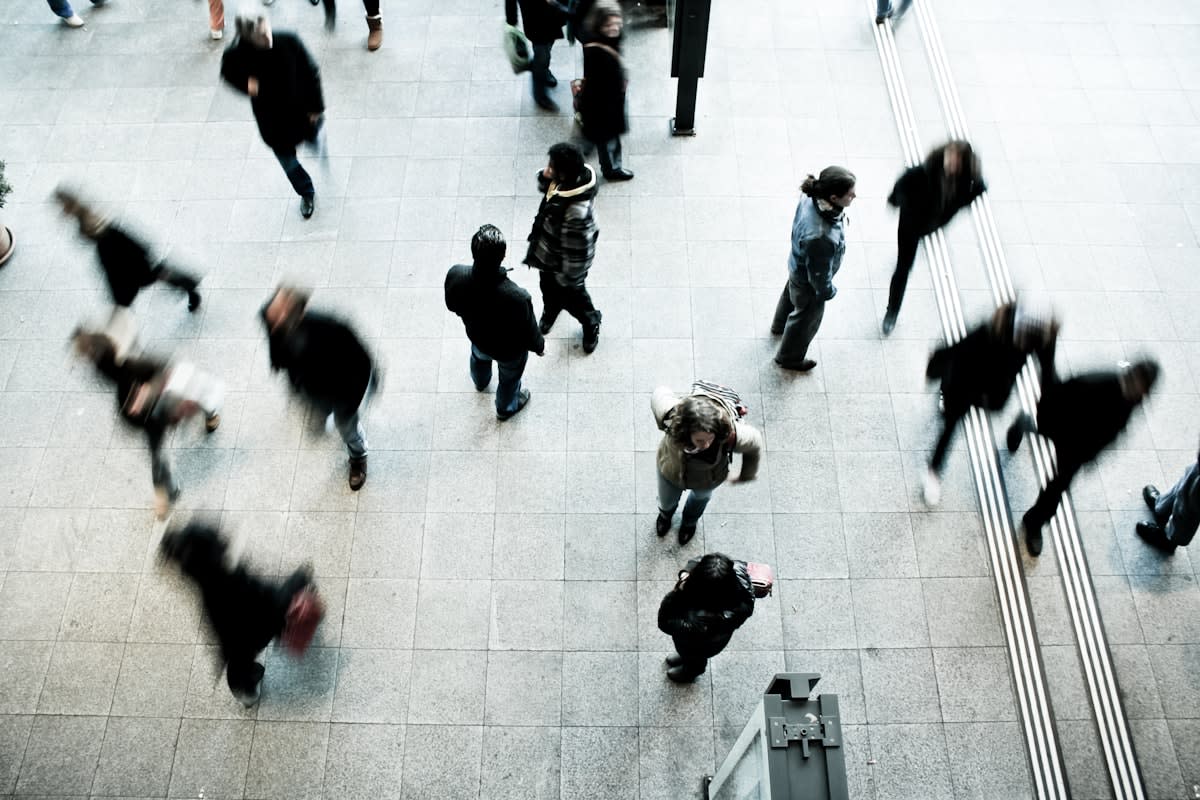
Melbourne has utilized its laneway system to create a 'permeable city.' By transforming narrow service alleys into vibrant pedestrian arteries, they have increased the connectivity of the central business district. This regional approach proves that you don't need to demolish existing structures to create walkability; you simply need to unlock the latent potential of the spaces between the buildings.
The 'Quick-Win' Method
Tactical Urbanism is the practice of using low-cost, temporary changes—like paint, planters, and plastic bollards—to quickly test how a street performs as a pedestrian zone before committing to expensive, permanent construction.
The financial implications are becoming impossible to ignore. Recent data indicates a 15% premium on residential properties located in highly walkable neighborhoods compared to those in car-dependent suburbs. This 'walkability premium' is driving a wave of investment into mixed-use developments. Investors are no longer looking for the biggest parking lot; they are looking for the best sidewalk.
Global Investment Shift toward Active Travel Infrastructure (2020-2024)
Executive Insight
+18.4%
YTD Growth
Is this a trend or a permanent shift? The integration of micro-mobility—e-bikes and scooters—has provided the 'last-mile' solution that previously made walkability impractical for regional travel. When the distance between a transit hub and a destination is reduced from a grueling 20-minute walk to a 5-minute glide, the psychological barrier to leaving the car at home vanishes.
The final frontier is the suburb. For too long, the suburban sprawl has been a wasteland of cul-de-sacs and strip malls. Now, we see the rise of 'suburban retrofitting,' where parking lots are converted into pocket parks and residential grids are re-linked to create walkable loops. This is the most difficult part of the pivot, as it requires challenging the very definition of the suburban dream.
Ultimately, the obsession with walkability is an admission that the 20th-century urban experiment failed. We built cities for machines and wondered why the people were unhappy. The Great Pedestrian Pivot is the correction. It is a return to a more human scale, where the quality of a city is measured not by how fast a car can move through it, but by how much a person wants to linger in it.