The Death of the Open-Door Policy
For decades, the global urban playbook followed a simple, linear logic: more visitors equaled more prosperity. Cities competed in a race to the bottom, stripping away regulations to attract the highest possible volume of transient spenders. This growth-at-all-costs mentality transformed living neighborhoods into open-air museums and residential hubs into hotel clusters. Now, the pendulum is swinging with violent force. We are witnessing the emergence of the Great Repulsion, a strategic movement where city planners are no longer asking how to attract more people, but how to systematically discourage the wrong kind of visitor.
This is not a mere reaction to crowds; it is a fundamental recalculation of urban value. The economic allure of the tourist dollar has been eclipsed by the systemic cost of infrastructure collapse and the erosion of social capital. When a city becomes a backdrop for a photo opportunity rather than a functioning ecosystem for its citizens, it loses its primary asset: authenticity. Planners are realizing that the very popularity that brings wealth also destroys the cultural product that visitors come to see. The goal has shifted from maximizing throughput to protecting the internal equilibrium of the city.
Engineering Friction: The New Urban Tool
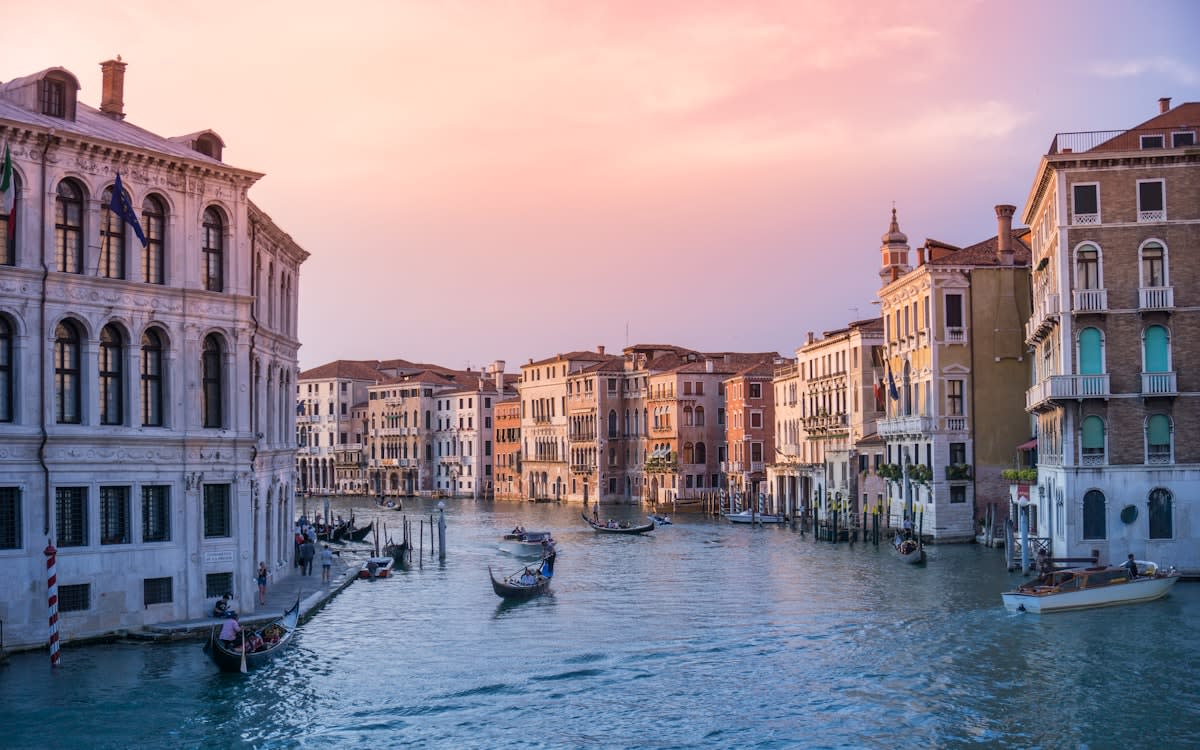
The most sophisticated cities are now weaponizing friction. In the past, urban design aimed to make navigation seamless; today, the objective is often the opposite. By introducing deliberate barriers—entry fees, permit systems, and restricted access zones—cities are filtering their audience. Venice's implementation of a 5 Euro entry fee for day-trippers is a prime example of this tactical shift. It is not about the revenue, which is negligible in the grand scheme of city budgets, but about the psychological barrier. It signals that the city is no longer a free commodity, but a managed resource.
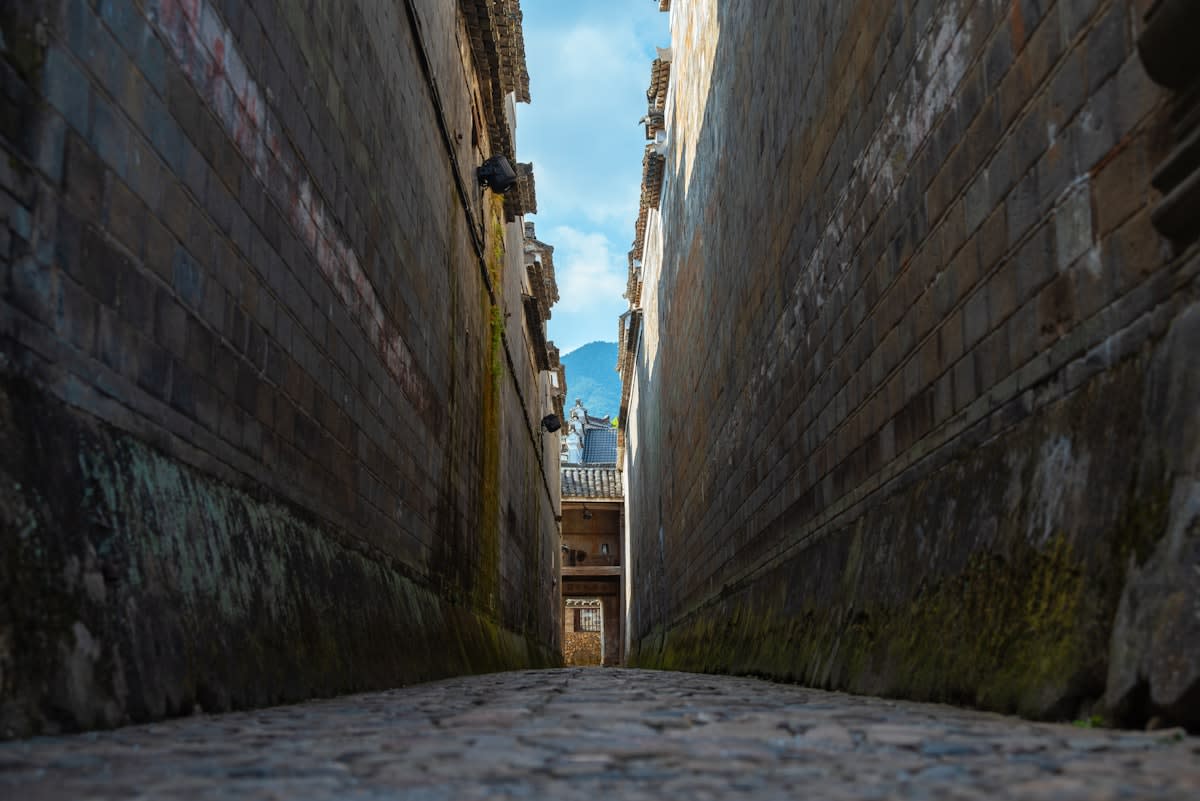
This strategy extends beyond financial tolls to spatial engineering. In Kyoto, the closure of certain private alleys in the Gion district to tourists serves as a physical manifestation of the Repulsion. By removing signage and introducing fines for unauthorized photography, the city is carving out sanctuaries for its residents and traditional practitioners. These are not accidental obstacles; they are calculated design choices intended to break the flow of mass tourism. The intent is to replace the mindless wanderer with the intentional visitor.
| Metric | Growth-Centric Model (Old) | Resilience-Centric Model (New) |
|---|---|---|
| Primary KPI | Total Visitor Volume | Resident Quality of Life (QoL) |
| Revenue Strategy | Mass Market Spend | High-Value, Low-Impact Spend |
| Infrastructure Focus | Tourist Hub Expansion | Mixed-Use Neighborhood Preservation |
| Access Logic | Open/Unregulated | Tiered/Permit-Based |
| Marketing Goal | Global Visibility | Targeted Curated Interest |
Does this approach risk alienating the global traveler? Perhaps. But the Strategic Analyst views this as a necessary market correction. For too long, cities operated on an asymmetric trade: they gave away their livability in exchange for short-term liquidity. By introducing friction, cities are effectively raising the price of admission, not just in currency, but in effort. This filters for a demographic that is more likely to respect local norms and contribute meaningfully to the local economy without overwhelming the physical capacity of the streets.
"The era of the 'Bucket List' city is ending. We are moving toward an era of the 'Managed City,' where access is a privilege granted to those who add value, rather than a right claimed by anyone with a plane ticket."— Urban Systems Analyst
The Resident-Centric Pivot
The most aggressive front in the Great Repulsion is the war on short-term rentals. In cities like Barcelona and Amsterdam, the conversion of residential housing into unregulated hotels has decimated the local middle class. When 20% or more of a historic center's housing stock shifts to tourist rentals, the neighborhood dies. The bakeries become souvenir shops, and the pharmacies become gelato stands. This is not urban evolution; it is urban cannibalism. Consequently, cities are now implementing draconian zoning laws to reclaim their streets.
Amsterdam's decision to ban the construction of new hotels in the city center represents a hard pivot toward resilience. By capping the supply of beds, the city is effectively placing a ceiling on its visitor capacity. This is a bold move that prioritizes the long-term viability of the city over immediate GDP growth. It acknowledges a simple truth: a city that is only a destination for others ceases to be a home for anyone. The goal is to restore the mixed-use nature of the urban core, ensuring that residents remain the primary stakeholders of the land.
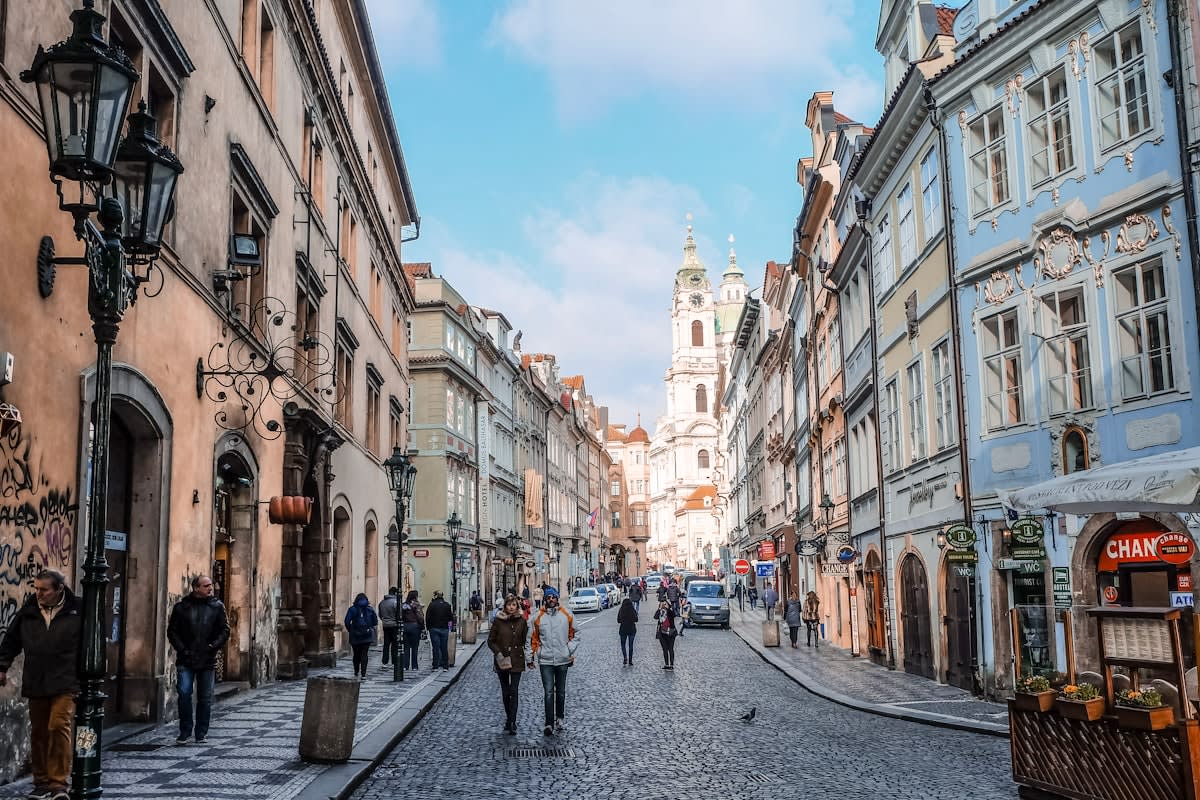
This shift also involves a radical change in marketing. We are seeing the rise of 'de-marketing' campaigns. Instead of glossy brochures promising a magical escape, some cities are now warning visitors about the crowds or encouraging them to visit lesser-known outskirts. By intentionally steering traffic away from the 'Instagrammable' hotspots, planners are attempting to distribute the tourist load across a wider geographic area. This reduces the pressure on the fragile center and encourages a more authentic, less performative form of travel.
Defining the Shift
Urban Resilience is the capacity of a city to maintain its essential functions and social identity despite external pressures. In the context of tourism, resilience means the ability to host visitors without compromising the ability of residents to live, work, and thrive.
From Volume to Value: The New Economic Logic
Critics argue that restricting tourism is economic suicide. This view is outdated. The new economic logic focuses on yield over volume. A city does not need ten million low-spending day-trippers who clog the streets and use public services without contributing to the tax base. Instead, it needs one million high-value visitors who stay longer, spend more in local businesses, and respect the cultural boundaries of the host. This is a transition from a commodity-based tourism model to a luxury-based curation model.
This transition requires a complete overhaul of how cities measure success. The old metrics—hotel occupancy rates and total arrivals—are now seen as lagging indicators of systemic stress. The new metrics are resident satisfaction scores, the survival rate of local non-tourist businesses, and the stability of housing prices. When the success of a city is measured by the happiness of its inhabitants rather than the number of its visitors, the design of the city naturally shifts toward the Repulsion.
The result is a more exclusive, but more sustainable, urban experience. We are entering an era where the world's most beloved cities will be harder to visit, more expensive to access, and more protective of their secrets. For the strategic traveler, this is an opportunity to engage with a city on its own terms. For the city, it is the only way to survive its own success. The Great Repulsion is not an act of hostility; it is an act of self-preservation.