The God who lived in our conscience
Source Entity
Suvir Saran
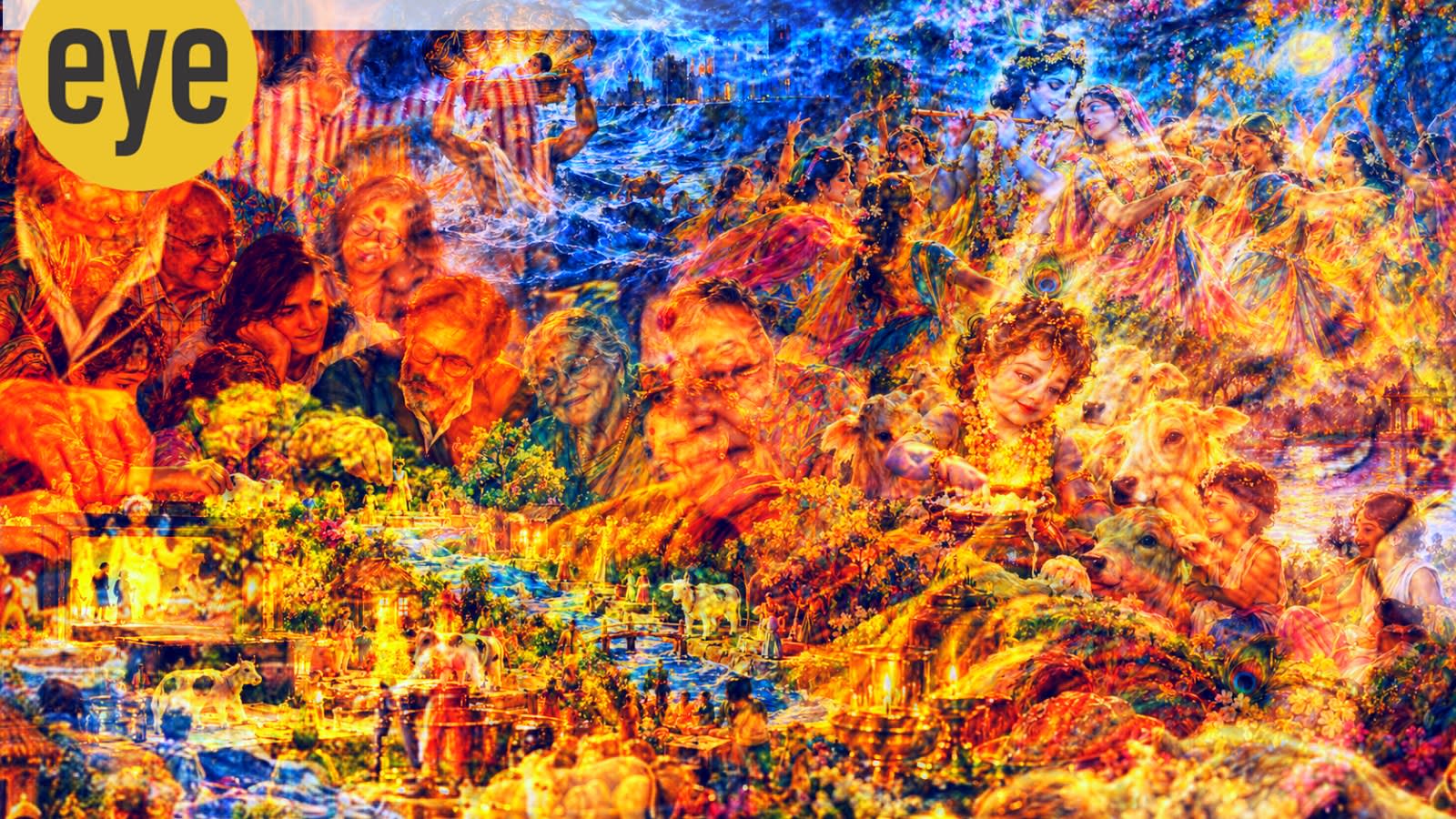
A nostalgic reflection on the tradition of building 'jhanki' displays for Janmashtami. The narrative highlights the role of family heritage and creative storytelling in celebrating the festival.
The Architecture of Faith: Janmashtami and the Jhanki Tradition
A Ritual of Remembrance
For many families, Janmashtami is more than just a religious observance; it is a sensory journey back to childhood. The narrative provided centers on the evocative power of music and memory, where the mere sound of a Janmashtami song acts as a catalyst, transporting the narrator back to a time of innocence and communal anticipation. This phenomenon highlights how cultural festivals act as anchors for personal identity, linking the individual to a broader tapestry of familial history.
The Art of the Jhanki
At the heart of this celebration is the 'jhanki'—a meticulously crafted display that serves as a physical manifestation of devotion. The process involves retrieving ancestral toys from storage, including figures of Krishna, Radha, and the gopis, which carry the weight of generations. By repurposing these items—some with faded paint and loose limbs—the family participates in an act of preservation, ensuring that the material culture of their ancestors continues to hold meaning in the present day.
The Father as Creator
In this account, the father, Deepak, assumes the role of the architect of this miniature universe. This dynamic emphasizes the pedagogical aspect of cultural traditions, where elders pass down values, stories, and craftsmanship to the younger generation. The act of building the jhanki is not merely decorative; it is a creative exercise that fosters a sense of wonder and continuity, transforming a simple domestic space into a sacred landscape.
Beyond Materiality
While the jhanki is composed of physical objects like cows, cowherds, and deities, its true significance lies in the 'civilization' it represents. These objects, waiting in boxes for their annual revival, symbolize the dormant potential of tradition. When the family gathers to assemble these figures, they are performing a ritual that validates their heritage, proving that the 'god who lived in their conscience' is sustained through active participation and collective memory.
The Broader Implications of Cultural Continuity
In an increasingly digitized and fast-paced world, the intentional act of creating a jhanki offers a counter-narrative to the fleeting nature of modern digital consumption. By dedicating time to build, arrange, and appreciate these symbolic displays, families reinforce the bonds that hold them together. This practice serves as a testament to the resilience of cultural memory, illustrating how traditions are not static relics but living, breathing experiences that evolve through the hands of each new generation.
Conclusion
Ultimately, the story of this household's Janmashtami preparation is a profound meditation on legacy. By transforming trunks and cupboards into a universe of divine narrative, the narrator and their father ensure that the spirit of the festival remains vibrant. It is a reminder that the most enduring aspects of our conscience are often those we have been taught to visualize, touch, and cherish through the shared labor of love.