Medieval manuscripts are "biological time capsules" for deadly sheeppox virus
Source Entity
Jennifer Ouellette
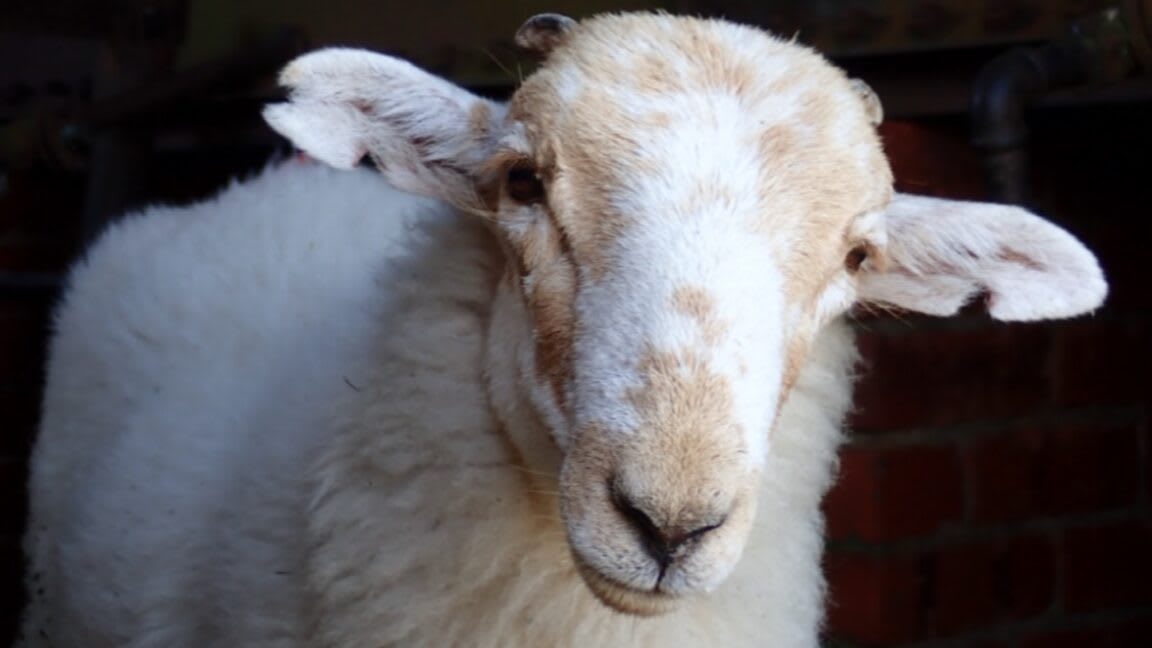
Scientists have discovered that medieval parchment manuscripts act as biological time capsules, preserving ancient sheeppox DNA. This breakthrough allows researchers to reconstruct the virus's 3,500-year evolutionary history and suggests libraries hold vast, untapped genetic records of past disease outbreaks.
Unlocking History: Parchment as a Genomic Archive
A groundbreaking study published in Science Advances has revealed that medieval manuscripts serve as unexpected biological time capsules, harboring genetic traces of the sheeppox virus. By analyzing the animal skins used to create parchment centuries ago, researchers have successfully extracted and sequenced viral DNA. This methodology provides a transformative lens through which scientists can reconstruct the evolutionary trajectory of pathogens over the last 3,500 years.
The Persistence of Sheeppox
Sheeppox remains a significant threat to global agriculture, characterized as a highly contagious and frequently fatal viral disease. While aggressive vaccination and containment efforts led to its near-eradication across much of European livestock during the 20th century, the virus has not been fully extinguished. Recent events, such as the regional outbreaks that devastated flocks in Greece last year, serve as a stark reminder that the disease persists as a latent risk to modern food security.
Methodology: Reading the DNA of the Past
The research team utilized sophisticated sequencing techniques to isolate viral remnants embedded within the collagen structures of medieval parchment. Unlike modern samples, which only provide a snapshot of the virus as it exists today, these ancient sequences offer a longitudinal view of viral adaptation. By comparing these historic strains to contemporary samples, scientists can identify the specific mutations that have allowed the virus to survive and persist across millennia.
Broader Implications for Historical Epidemiology
This discovery extends far beyond the study of a single animal disease. The researchers suggest that archives and libraries worldwide may be sitting on massive, untapped repositories of biological data. If parchment can preserve the DNA of sheeppox, it is highly probable that other manuscripts hold the genetic signatures of various human and animal pathogens that have shaped the course of history, potentially even those that caused widespread zoonotic events in the pre-modern era.
Future Trends in Genomic Research
As this field matures, we can anticipate a paradigm shift in how historians and biologists collaborate. The integration of paleogenomics with archival studies will likely become a standard tool for tracking the historical spread of diseases. By systematically sampling library collections, researchers may soon be able to map the migration of pathogens alongside human populations, providing new insights into how trade, war, and migration patterns have facilitated the historical spread of infectious diseases.
Conclusion
The use of parchment as a genetic archive marks a significant milestone in our ability to decode the past. By turning historical documents into scientific data, we not only deepen our understanding of viral evolution but also strengthen our preparedness for future outbreaks. This intersection of humanities and molecular biology demonstrates that the answers to contemporary health challenges may be hidden within the very records we have preserved for centuries.