UNEP says 1.5°C ‘overshoot’ is now unavoidable. Here’s what this means for climate action
Source Entity
Anagha Jayakumar
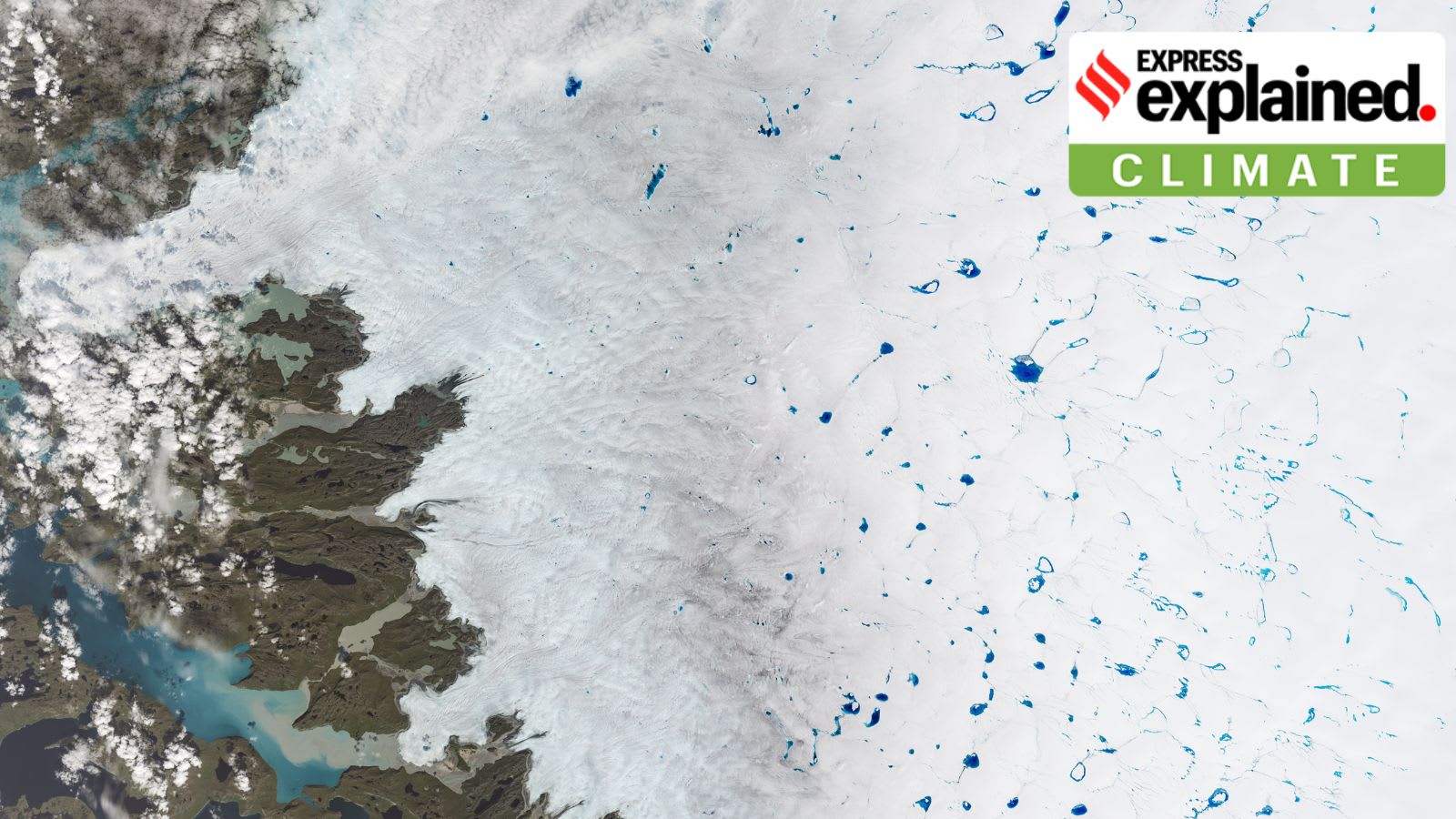
A new UNEP report confirms that breaching the 1.5°C climate target is now unavoidable, with temperatures likely peaking at 1.8°C. This shift marks a critical turning point for the Paris Agreement and necessitates urgent global adaptation strategies.
The Unavoidable Reality of Climate Overshoot
A sobering new report from the United Nations Environment Programme (UNEP), titled "Limiting Overshoot," has officially signaled a paradigm shift in global climate discourse. The report concludes that the world will likely breach the 1.5°C target of warming above pre-industrial levels within the next few years. This finding represents a significant departure from previous optimistic projections, framing the 1.5°C threshold not as a limit to be avoided, but as a temporary state that is now statistically inevitable.
From Reachable Goal to Temporary Breach
For years, the 1.5°C target has served as the cornerstone of international climate policy. As recently as last year, UN Climate Change head Simon Stiell maintained that this goal remained within reach, reflecting the hope that aggressive decarbonization could prevent the threshold from being crossed. The UNEP report, however, clarifies that even under "optimistic scenarios," global temperatures are expected to peak at approximately 1.8°C. This adjustment forces a necessary recalibration of what "climate action" actually looks like in the coming decades.
The Paris Agreement and Global Commitments
This development directly impacts the legacy of the 2015 Paris Agreement, a landmark accord signed by 193 countries and the European Union. Article 2 of the agreement explicitly mandates that nations keep global average temperatures well below 2°C, with the 1.5°C target serving as the "gold standard" for preventing the most catastrophic effects of climate change. The acknowledgment of an overshoot does not render the Paris Agreement obsolete, but it does highlight the massive gap between current policy implementation and the physical reality of atmospheric warming.
Broader Implications of a 1.8°C Peak
An overshoot to 1.8°C carries profound implications for global ecosystems, food security, and human migration. While the term "overshoot" implies a temporary state that might eventually return to lower levels through carbon removal or radical emission cuts, the immediate impacts of such a peak are irreversible. Ecosystems that rely on stable temperature ranges may face collapse, and weather patterns will likely become increasingly volatile, testing the resilience of infrastructure worldwide.
Future Trends and Necessary Action
The shift in rhetoric from "avoidance" to "overshoot management" suggests that future climate conferences will focus heavily on adaptation and resilience. Governments will need to move beyond simple mitigation pledges and invest in strategies that account for a warmer world. This includes scaling up carbon removal technologies, strengthening disaster response mechanisms, and rethinking urban planning to withstand the heightened intensity of climate-driven weather events.
Conclusion
The UNEP findings serve as a stark wake-up call for the international community. While the 1.5°C target may no longer be avoidable, the severity and duration of the overshoot remain variables that human action can still influence. The challenge now is to ensure that the breach is as brief and as shallow as possible, preventing the temporary peak from becoming a permanent climate state.