Empress Garden celebrates its ‘uninvited guests’
Source Entity
Dipanita Nath
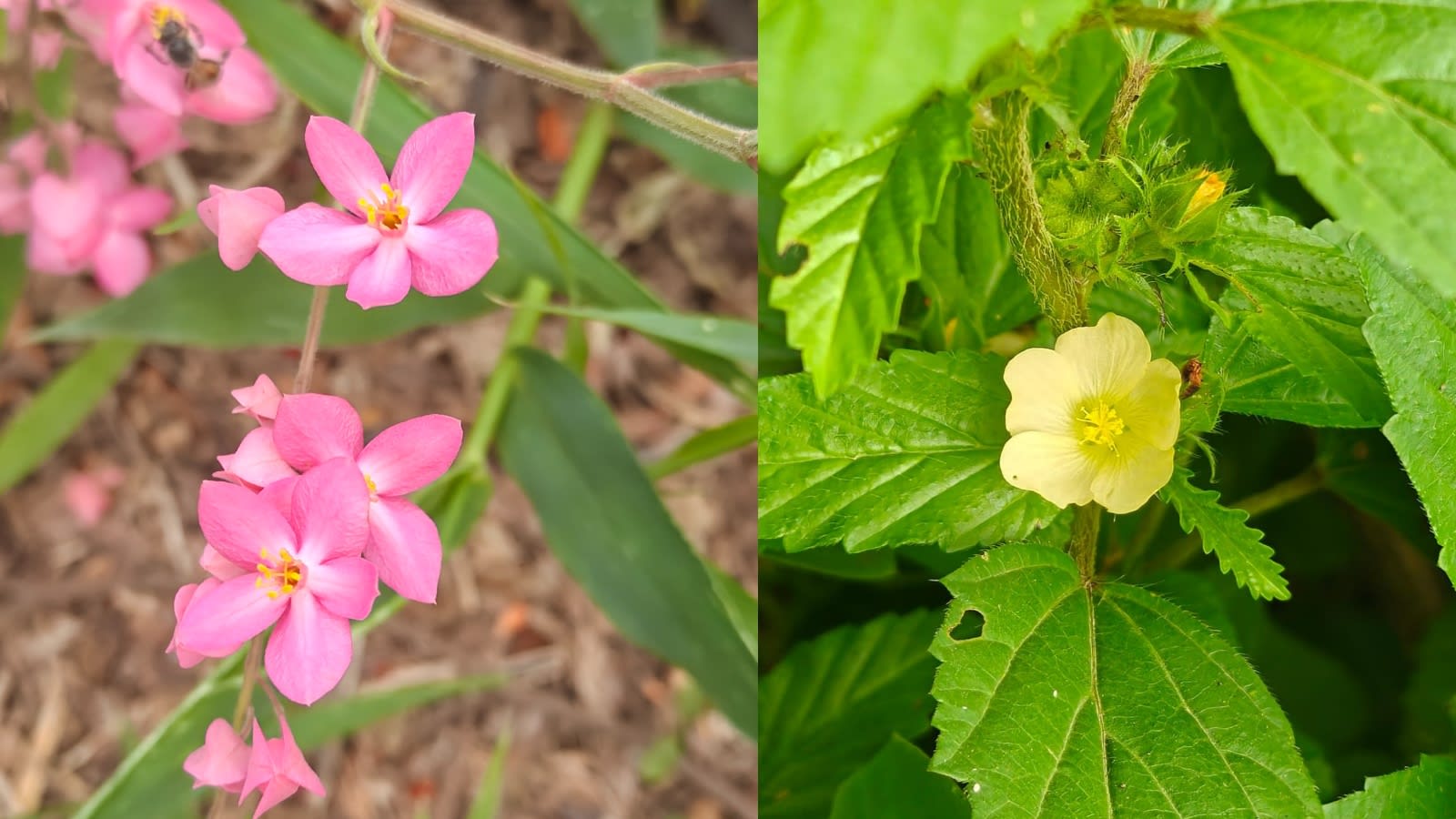
Empress Botanical Garden in Pune is highlighting the ecological importance of weeds through a new research project. Experts argue that these resilient plants act as pioneers, restoring soil health and transforming barren ecosystems.
The Ecological Resilience of 'Uninvited Guests'
At the historic Empress Botanical Garden in Pune, a paradigm shift is occurring regarding the perception of weeds. Often dismissed as mere nuisances in formal landscaping, these plants are now the subject of a dedicated research project at the Rupa Rahul Bajaj Centre for Environment and Art (RRBCEA). The initiative aims to reframe how society views these 'uninvited guests'—persistent, resilient organisms that emerge in environments where other flora may struggle to survive.
The Pioneer Species Phenomenon
Nature educator Khushbu Sangameshwari notes that weeds are the first to reclaim land that has been destroyed, disturbed, or left barren. Scientifically recognized as pioneer species, these plants possess a unique ability to colonize inhospitable landscapes. Their presence is not merely a sign of neglect but a biological process of succession, where they stabilize the ground, prevent erosion, and begin the complex work of returning life to damaged soil.
Soil Enrichment and Ecosystem Services
Beyond their reputation for invasiveness, weeds play a critical role in ecosystem health. As they grow and eventually decompose, they enrich the soil profile, adding essential organic matter that increases fertility. This natural process creates a supportive environment for more delicate plant species to eventually take root. By transforming the chemical and physical properties of the earth, these plants act as the unsung architects of biodiversity.
Philosophical Lessons from Botany
The research at RRBCEA extends beyond biology into a broader philosophical inquiry. Sangameshwari suggests that the tenacity of weeds serves as a powerful metaphor for human perseverance. Just as weeds find a way to flourish in the most unfavorable conditions, they offer a reminder that transformation and growth are possible even after significant hardship. This project invites the public to view botanical resilience as a model for personal and collective endurance.
Future Trends in Urban Ecology
As urbanization continues to fragment natural habitats, the role of resilient, self-sustaining plants will become increasingly relevant. The project at Empress Botanical Garden signals a growing trend in environmental education: moving away from the aesthetic obsession with manicured lawns toward a more holistic appreciation for functional, biodiverse ecosystems. Recognizing the value of these 'weeds' may lead to more sustainable gardening practices that prioritize soil health and ecological restoration over purely ornamental gardening.