Fish Bad, Sugar Good and Other Medieval Ideas About Food
Source Entity
Hacker News
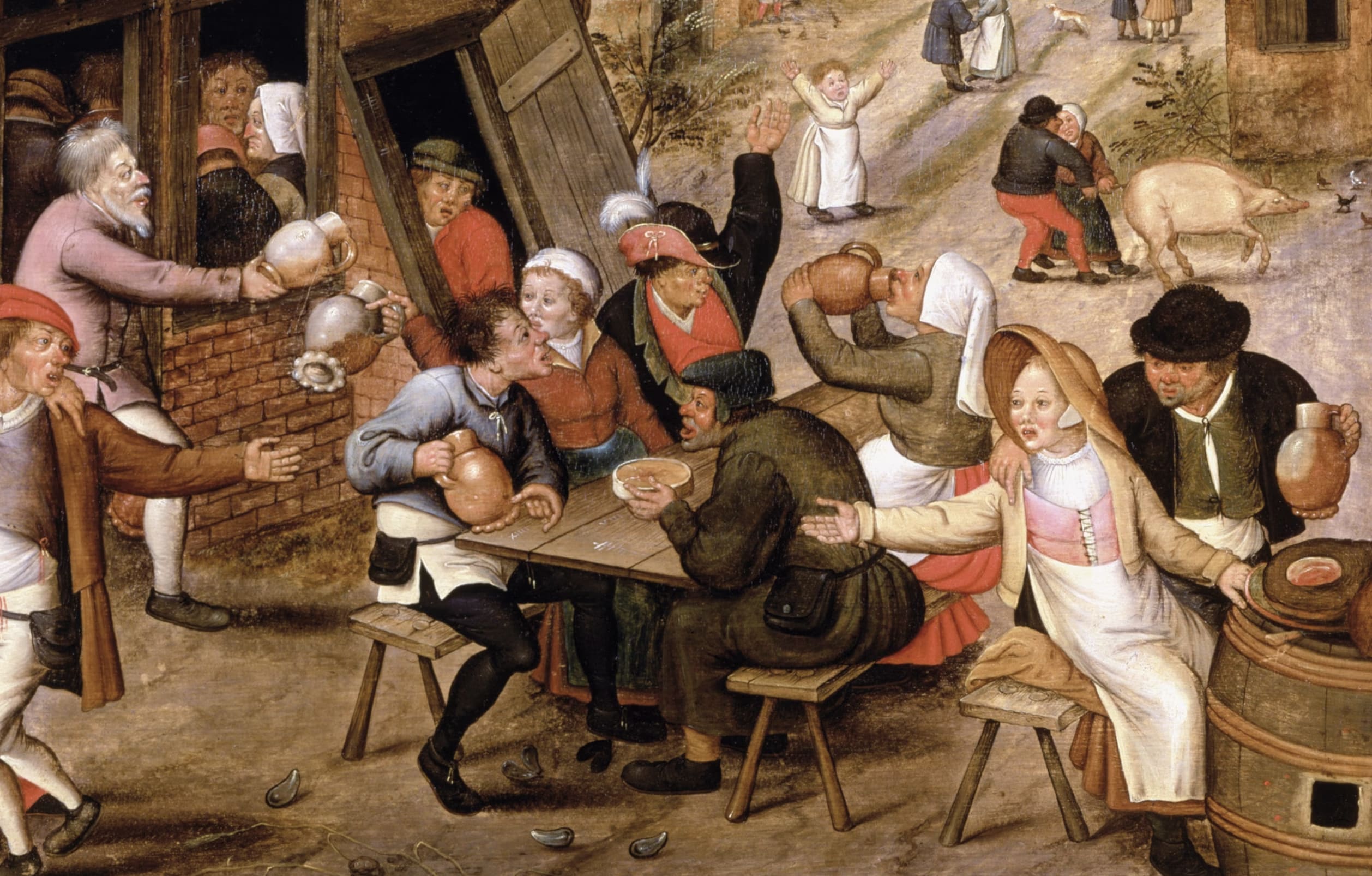
Medieval dietary practices were rooted in Galenic medicine, which categorized food by its elemental qualities of hot, cold, wet, or dry. These concepts viewed digestion as a process akin to cooking, emphasizing the direct link between food intake and physical health.
The Foundations of Medieval Dietary Medicine
In the medieval period, the relationship between diet and health was not merely a matter of sustenance but a cornerstone of medical philosophy. As noted by the influential physician Galen, food was considered the paramount medical subject, dictating the daily lives of individuals across various social strata. This era viewed the body as a complex system sensitive to the 'qualities' of ingested materials, leading to the development of rigorous regimens that prioritized the properties of food over mere caloric intake.
The Taxonomy of Edibles: Hot, Cold, Wet, and Dry
Central to this dietary framework was the classification of all food items into a grid of qualities: hot, cold, wet, or dry. These categories were not arbitrary; they were believed to interact directly with the internal state of the human body. Practitioners believed that maintaining health required a careful balance of these qualities. If an individual consumed 'bad' foods—those whose qualities were ill-suited to their current temperament or physical state—it was thought to trigger illness, reinforcing the idea that the kitchen was effectively an extension of the apothecary.
Digestion as a Culinary Process
Medieval medical theory conceptualized digestion through a mechanical lens, comparing the human stomach to a vessel of culinary transformation. It was widely theorized that digestion occurred in three distinct stages, mirroring processes like cooking, distillation, and combustion. By viewing the body as a vessel that 'cooked' its contents to extract vital humors, medieval thinkers believed they could manipulate health outcomes through the careful selection and preparation of ingredients.
Historical Context and Philosophical Underpinnings
This system was deeply indebted to classical antiquity, particularly the works of Galen and Hippocrates. The persistence of these ideas throughout the Middle Ages demonstrates a consistent effort to rationalize the natural world. While modern science has replaced these notions with biochemistry and nutrition, the historical insistence that food is the primary regulator of human health remains a foundational concept that has evolved into contemporary dietary science.
Broader Implications and Legacy
Understanding these medieval perspectives provides essential context for how humanity has historically perceived the link between environment and biology. The preoccupation with 'good' and 'bad' foods, while based on different scientific premises than today, mirrors modern anxieties regarding diet and disease. By studying these ancient lists and regimens, we gain insight into the persistent human endeavor to control health through the most fundamental of all human activities: eating.