ISRO EOS GSLV F17 launch September 2026 gisat 1 2021 failure earth observation satellite
Source Entity
Latest News: Todays Latest News Headlines from India & World | Hindustan Times | Hindustan Times
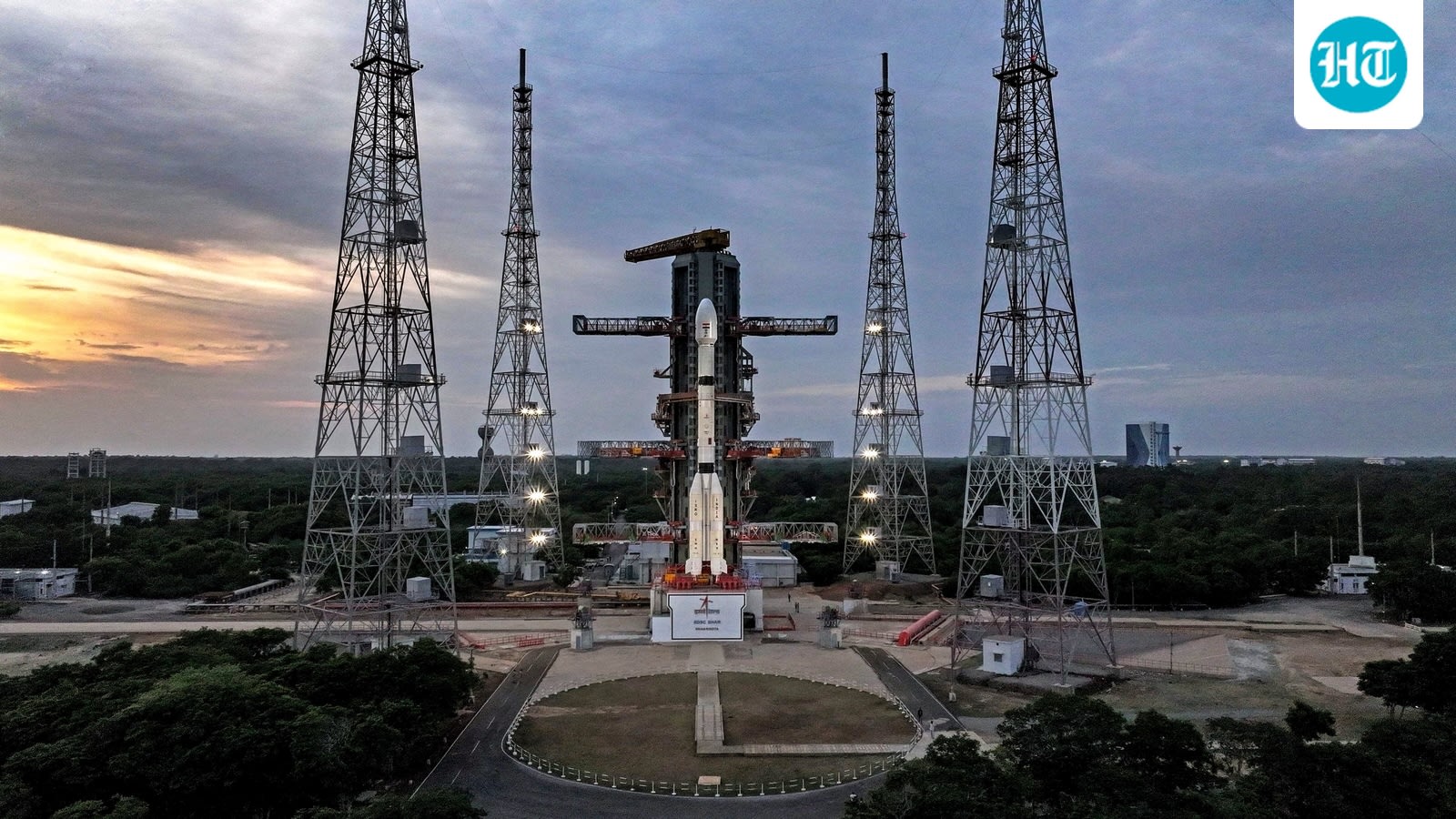
ISRO is set to launch the EOS-05 Earth observation satellite via the GSLV-F17 rocket from Sriharikota. This mission aims to restore capabilities lost during the 2021 failure of the EOS-03 mission, which was grounded by a cryogenic stage valve leak.
ISRO Returns to Flight: The GSLV-F17 Mission
The Indian Space Research Organisation (ISRO) is marking a significant return to operations with the scheduled launch of the GSLV-F17 mission from the Satish Dhawan Space Centre (SDSC-SHAR) in Sriharikota. Carrying the EOS-05 Earth observation satellite, the mission represents a critical step in the agency's efforts to stabilize its launch cadence following an eight-month hiatus. The lift-off, slated for 2:55 am, highlights the strategic importance of the Second Launch Pad in executing complex orbital insertions.
Addressing Past Technical Setbacks
This mission is intrinsically linked to the legacy of the EOS-03 (GISAT-1) failure, which occurred five years prior. The loss of EOS-03 was attributed to a specific mechanical failure—a leak in the valve of the rocket's cryogenic stage. By utilizing the GSLV-F17 platform, ISRO is effectively testing the robustness of its redesigned systems, aiming to demonstrate that the technical vulnerabilities identified in the 2021 failure have been comprehensively addressed to ensure the safe delivery of Earth observation assets into orbit.
The Role of EOS-05 (GISAT-1A)
EOS-05, also known as GISAT-1A, is designed to fill the void left by its predecessor. Earth observation satellites are vital for India’s infrastructure, providing real-time monitoring of natural resources, weather patterns, and environmental changes. By placing this satellite into a sub-geosynchronous transfer orbit, ISRO intends to restore the specific observational capabilities that were lost during the previous mission's failure, thereby regaining critical data-gathering capacity for the nation.
Strategic Importance of the GSLV Platform
The GSLV-F17 flight marks the 19th mission for the Geosynchronous Satellite Launch Vehicle program. The GSLV is a cornerstone of India’s space program, specifically engineered to launch heavier satellites into higher orbits. The success of this launch is not merely about placing a single payload; it is a validation of the launch vehicle's reliability. After an extended period of inactivity, the successful execution of this flight will be a major confidence booster for ISRO’s upcoming launch schedule and international reputation.
Looking Toward Future Trends
As ISRO moves forward, the lessons learned from the GSLV-F17 mission will likely dictate future protocols for cryogenic engine testing and quality control. The agency's ability to pivot from a catastrophic failure to a successful replacement mission serves as a blueprint for resilience in aerospace engineering. Future trends for ISRO will likely focus on increasing the frequency of these launches and further perfecting the cryogenic staging processes to minimize risks during high-stakes missions.
Conclusion
The launch of EOS-05 via GSLV-F17 is a pivotal moment for Indian space exploration. By addressing the technical debt from the 2021 failure, ISRO is demonstrating its commitment to technological improvement and operational excellence. The successful deployment of this satellite will not only provide essential Earth observation data but also reaffirm India's standing as a reliable player in the global space launch market.
Verification Required?