Wary of Artemis IV timeline, NASA is changing lunar spacesuit design
Source Entity
Eric Berger
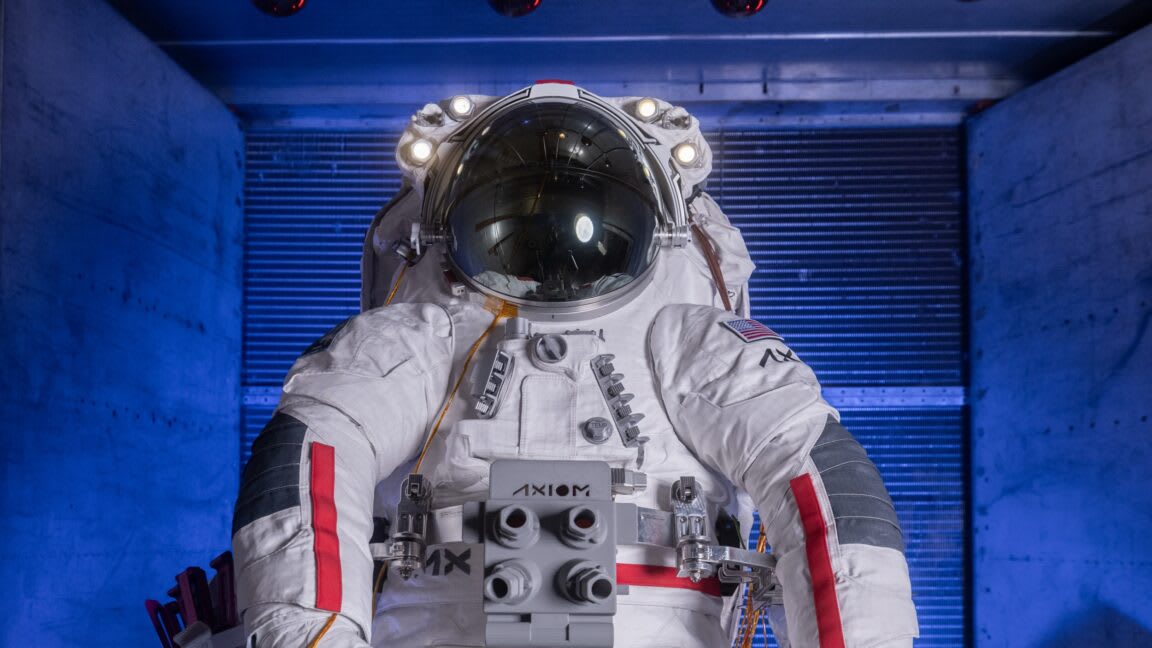
NASA is shifting to a simplified 'Sortie Suit' design for early Artemis lunar landings to reduce complexity and meet the 2028 South Pole deadline. By collaborating with Axiom Space, the agency aims to streamline suit mass and lander interfaces to ensure mission success.
NASA Pivots Strategy for Artemis IV Lunar Missions
NASA has officially signaled a strategic shift in its lunar exploration architecture by pivoting toward a simplified spacesuit design for its upcoming Artemis missions. Facing the logistical and temporal pressures of the Artemis IV timeline, the agency is opting to develop a "Sortie Suit" variant. This decision, communicated during recent internal meetings, marks a significant adjustment in the agency's approach to human lunar surface operations, prioritizing mission feasibility over the original, more complex design requirements.
The Rationale Behind the Sortie Suit
The primary driver for this transition is the ambitious goal of landing humans at the lunar South Pole as early as 2028. By tasking Axiom Space with the development of the Sortie Suit, NASA intends to create a specialized piece of equipment that is lighter and less intricate than previously envisioned. This move is designed to mitigate the risks associated with the high-stakes timeline, ensuring that the spacesuits are not the bottleneck that delays the return to the lunar surface.
Technical Simplification and Integration
Complexity has long been a challenge for modern EVA (Extravehicular Activity) suits. The new design philosophy focuses on reducing the total mass of the suit and simplifying the critical interfaces between the suit and the lunar landers, such as those being developed by SpaceX and Blue Origin. By streamlining these connections, NASA hopes to improve the reliability of the life-support systems and the overall mobility of the astronauts, which is essential for the challenging terrain of the lunar South Pole.
Strategic Implications for Artemis
This decision reflects the broader, pragmatic shift currently underway within NASA’s Artemis program management. Under the direction of Artemis Program Manager Jeremy Parsons, the agency is actively identifying areas where requirements can be adjusted to reflect near-term mission needs. By shedding unnecessary complexity, NASA is attempting to insulate the program against the unforeseen delays that often plague large-scale aerospace engineering projects.
Industry Collaboration and Future Outlook
The collaboration with Axiom Space underscores the importance of the commercial sector in NASA's long-term lunar strategy. As NASA relies increasingly on private industry for lander development, the interoperability of hardware becomes paramount. The Sortie Suit represents a middle ground, ensuring that as long as the hardware is compatible across both SpaceX and Blue Origin landers, the agency can maintain a consistent operational cadence regardless of which commercial partner is leading a specific mission.
Conclusion: A Pragmatic Path Forward
In summary, the move to a simplified spacesuit design is a calculated maneuver to maintain the integrity of the 2028 landing schedule. While the original vision for the Artemis spacesuits was highly ambitious, the realities of deep-space mission timelines have necessitated a more agile, iterative approach. By focusing on essential functionalities, NASA is positioning itself to successfully execute its long-term objective of establishing a sustainable human presence on the Moon.